
It is very poisonous and sometimes hides in the house. What to do and how to behave, but above all to protect yourself from this specimen?
What is poisonous and can it be hidden in the house?
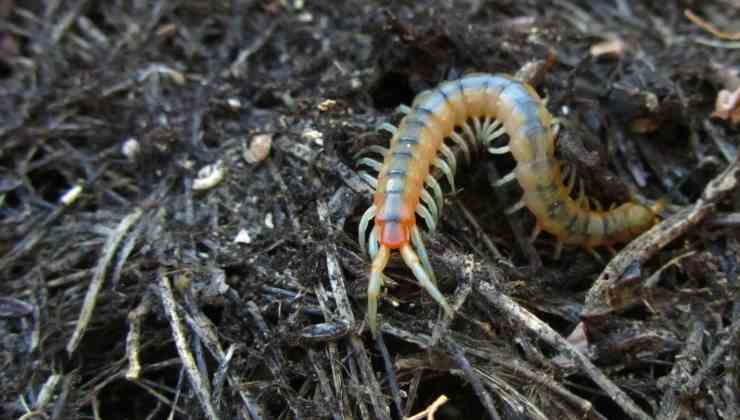
The scolopendra is an elongated insect with a segmented and articulated body. Its size varies depending on the species, but it can reach considerable lengths, up to 30 centimeters. The body is covered in a thick exoskeleton that can feature a variety of colors, including brown, black, or dark red.
One of the distinguishing features is the many limbs that extend along its body. Each segment of the body houses a pair of legs, which are used to move quickly on the ground. The scolopendra is an agile and fast predator, capable of moving very quickly to capture its prey.
The scolopendra is endowed with venom, which is injected through its venomous fangs located at the front of its body. The venom is used to immobilize prey and can cause pain and irritation in mammals, including humans. However, scolopendra venom rarely poses a threat to human life.
It feeds mainly on other insects, small invertebrates and occasionally vertebrates such as lizards or small rodents. Its venomous fangs are used to immobilize and subdue prey, allowing it to capture and consume food.
Scolopendra is present in many parts of the world, with a wide geographical distribution. They can be found in different habitats, such as tropical forests, wetlands, deserts, and even in urban areas. They prefer moist and dark environments, such as under logs or rocks.
What to do with a scolopendra at home?
Discovering a hidden scolopendra in your home can be a scary and unexpected experience.
The first crucial step is to stay calm and observe the situation closely. Avoid getting too close to the scolopendra or trying to grab it. These insects can be quick and reactive, so it’s important to avoid sudden movements that could scare them away or put you at risk of being bitten.

Scolopendra are attracted to dark and humid places, as well as prey such as insects and small invertebrates. Reduce the chances of attracting them by removing potential food sources and hiding places. Close food containers tightly, repair any leaks in walls or fixtures, and remove excessive humidity in rooms.
Use protective gloves and tools such as a box or glass to trap it without touching it directly. Once you’ve caught the scolopendra, take the container outdoors and release it in a safe area away from your home. If you feel that you are unable to handle the situation on your own or if you encounter recurring problems with scolopendres in your home, it is advisable to contact a pest control professional.


