
Have you ever wondered what that weird white spot you often see in raw egg is? Let’s find out together what it is, you can finally satisfy your curiosity!
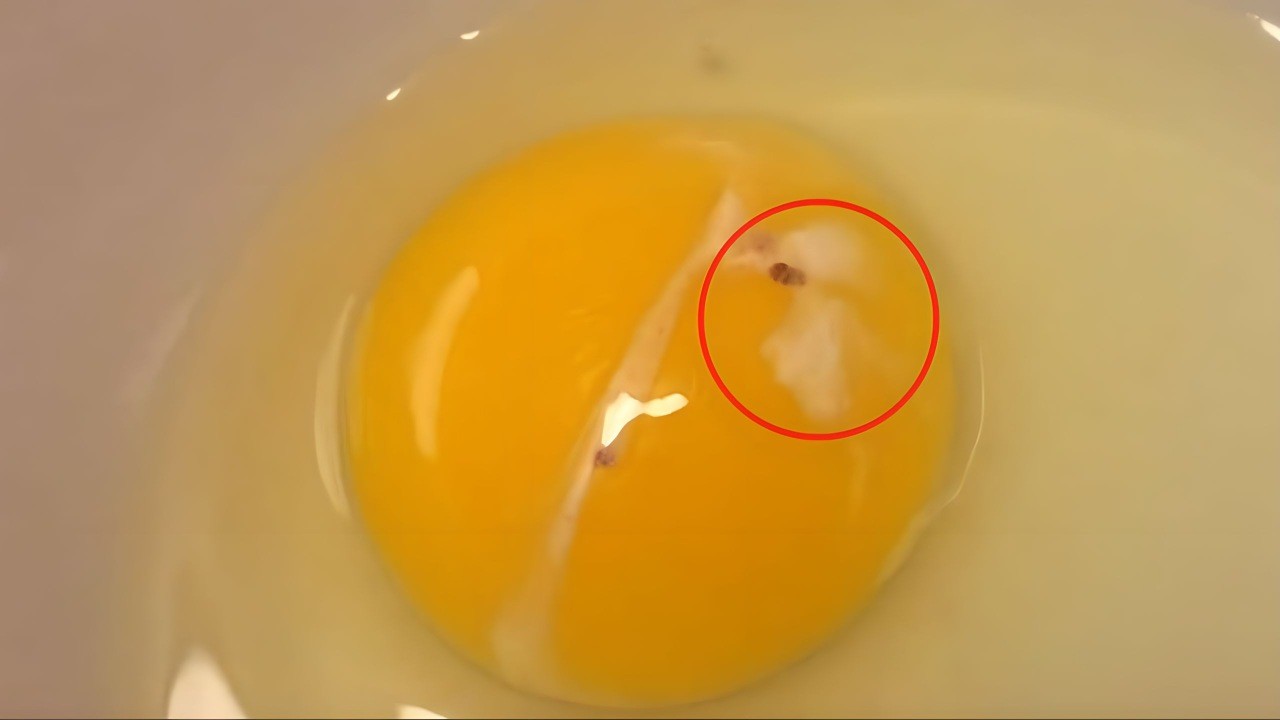
It often happens to find a white spot in the raw egg and to wonder what it is due to. Few people know this and therefore it is easy that you will not find someone willing to explain to you what this stain is due to, so you may have fantasized about its meaning. Don’t be afraid, below you will find the explanation about this white spot and you will know what it originates from!
Eggs, a versatile food
Eggs are the most popular and versatile products to prepare, they can be cooked in many ways and are also very nutritious. Also preferred as a breakfast food in some northern European countries, eggs are a highly sought-after food and present in all diets, even low-calorie ones.
Consumed in the right quantity, in fact, they ensure an excellent nutritional intake and are also a perfect food to combine in salads, main courses, appetizers and much more. One of the many curiosities that we often do not know how to answer is the presence of a white spot on the yolk that can be noticed a few times when opening the egg.
If you do this, you will be able to see that when the egg arrives on the plate there is a white spot on the yolk. What is it about? Where does it come from? There are a thousand questions that crowd the mind when you notice this stain, but few know the answer. To find out more and get a certain answer, here is everything you need to know about this stain!
The white spot in the yolk
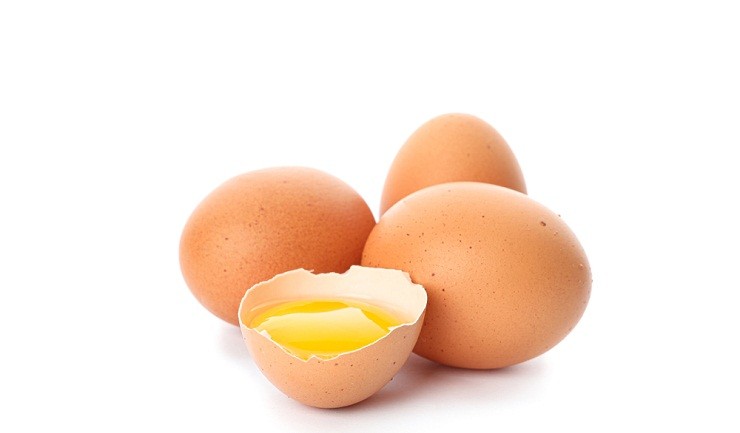
When we open the egg it is possible to find the presence of a white spot next to the yolk. Not everyone knows what it is and often many do not know the real meaning of this white spot. This is the chalaza, which is essential for the correct development of the embryo.
The chalaza is composed of two structures resembling cords, one placed in the upper part and the other in the lower part of the yolk. The two structures are composed mainly of mucus and proteins, have a viscous and gelatinous consistency and serve to make the yolk stay suspended in the center of the egg white.
Another important role of the chalaza is in the rotation of the yolk inside the white, in fact it allows the embryo to stay correctly during development and to feed easily on the substances present in the white and yolk. The two chalazes above and below the yolk prevent the latter from breaking even before opening the shell.
Chalaza is found in fresh eggs
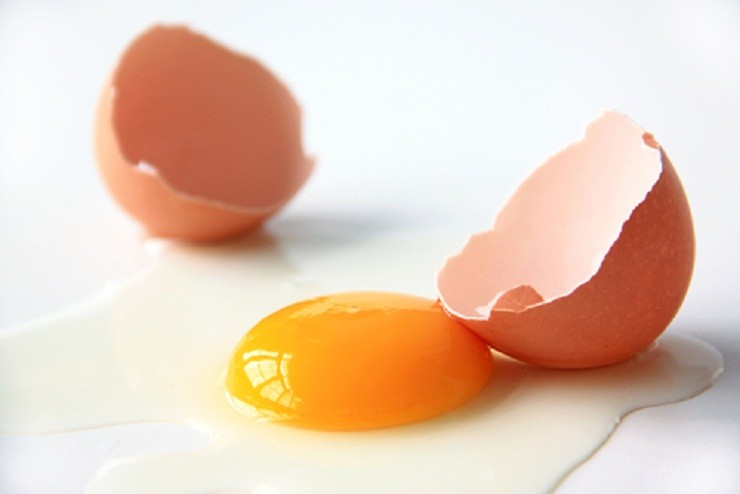
The white spot therefore derives from filaments of albumen that twist and resemble strings. As already mentioned, it is called chalaza and is mainly present in fresh eggs, where these filaments are more visible.
The important thing to know is that you don’t need to remove them because it’s not harmful, so we can leave the stain where it is. And there’s more: once you have cooked the egg, the calaza disappears and integrates with the egg white, becoming one with it.
Nothing dangerous, therefore, nor harmful to health. Instead, you should know that when chalaza is present you can be sure that the egg is fresh, so there is no need to worry. On the contrary, it must make sure if there is this white spot in the other eggs, since it is a real guarantee of the freshness of the egg.
However, a trick that you must use if you have to make custard and you need the egg, you must eliminate the chalaza. It is advisable to do this to prevent the filamentous substance from compromising the density of the custard.
As you have understood, when there is chalaz in the egg you don’t have to fear anything, on the contrary this detail ensures the freshness of the egg. You should worry when it’s not there, which means the egg isn’t really nice and fresh!


