
They are the most loved foods by Italians and consumed every day. According to estimates, their price could double.
Are the foods most loved by Italians at risk? According to some estimates, there would be yet another price increase that should not be underestimated. Let’s try to clarify?
Foods most loved by Italians on the rise
The Divulga Study Center, in its recent analyses, has detected a worrying and constant increase in the costs of wheat, a phenomenon that is significantly affecting the food industry sector. In particular, the surge in prices is reverberating on the foods most loved by Italians: bread, pasta and their derivatives. Coldiretti, a well-known agricultural association, has recently launched an alarm, predicting an upcoming peak in costs even higher than the current one.
The reasons for this increase in wheat costs are many and complex. Firstly, it should be noted that adverse weather conditions have hit several agricultural regions hard, reducing crop yields. Prolonged droughts, extreme heat waves or, on the contrary, particularly harsh winters, have prevented optimal wheat production in different parts of the world. Added to this is the negative impact of climate change. The frequency of extreme and unpredictable weather events is increasing.
In addition, the agricultural sector is facing unprecedented logistical and distribution challenges. Transportation costs have risen significantly, mainly due to rising fuel prices and congestion issues on international trade routes. Supply chain disruptions due to unstable political situations in some regions have further exacerbated the situation, hampering the smooth movement of goods and contributing to higher wheat prices.
How does the agricultural sector try to adapt?
The agricultural sector is trying to adapt to this new economic reality, but efforts are not always sufficient to keep the prices of final products at the previous level. Producers are facing a dilemma: on the one hand, they have to bear increasing production costs, including those for fuels, fertilizers and agricultural equipment; on the other hand, they seek to maintain affordable prices for consumers, but risk compromising their own profitability.
The consequences of this increase in wheat costs are inevitably reflected on consumers, who see the prices of consumer food products, such as bread and pasta, increase. These foods represent an important part of the diet of Italian families and the increase in their costs can have a significant impact on family spending and people’s quality of life.
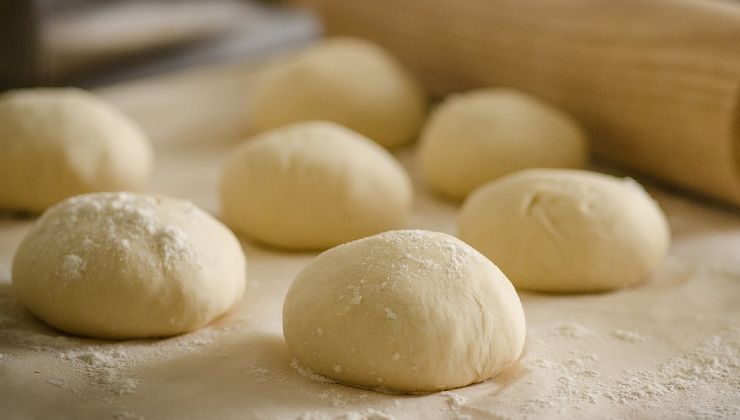
The situation therefore requires a response from both national and international institutions. It is essential to promote policies to support agriculture and farmers, so that they can face the challenges imposed by these new economic and climatic dynamics. It is necessary to invest in research and innovation to develop more sustainable and efficient agricultural practices, capable of mitigating the effects of climate change.


