
Do you know what can happen to the body if you eat food with mold? Accidentally ingesting it can have health consequences.
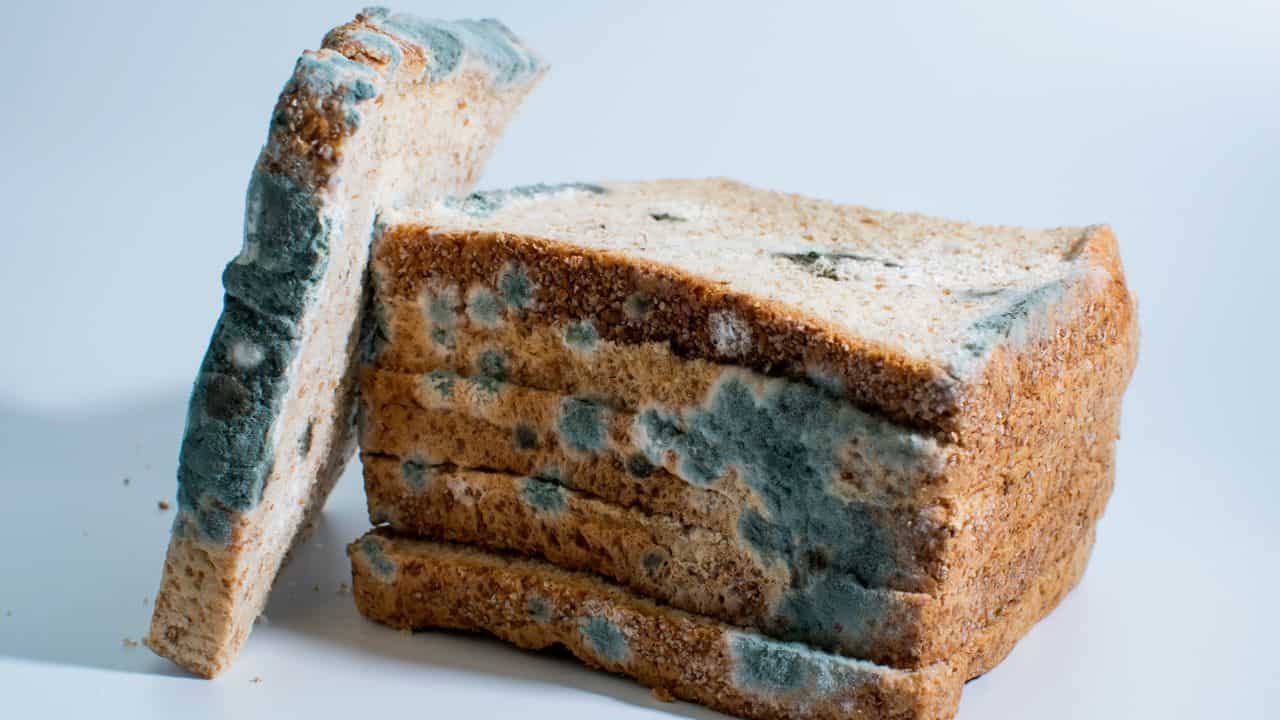
Eating food with mold can pose health risks due to the potential presence of toxins produced by molds themselves, such as aflatoxin. Molds are fungal organisms that grow on various types of surfaces, including foods such as bread, cheese, fruits, and vegetables.
The toxins produced by molds can cause food poisoning, known as mycotoxicosis. The symptoms of mold food poisoning can vary depending on the type of toxin and the amount ingested, but they can include nausea, vomiting, diarrhea, stomach pain, abdominal cramps, and in some cases even allergic reactions.
Some people may be more sensitive to mold toxins than others, such as people with compromised immune systems or mold allergies. In these cases, consuming food with mold can lead to serious health complications.
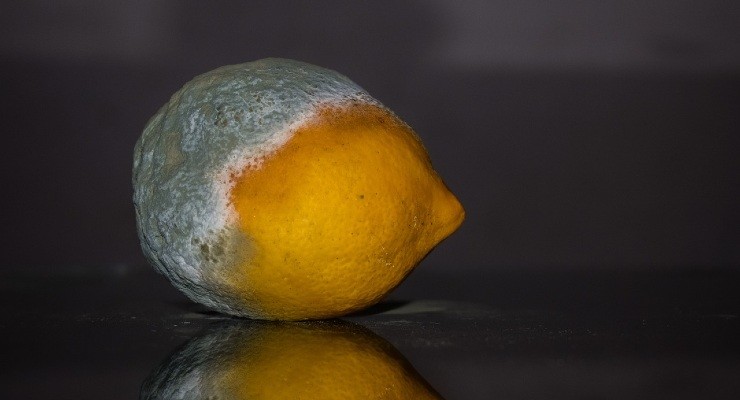
What happens to the body if you eat food with mold
It is important to note that visually removing mold from a food item is not always enough. Molds can have invisible roots that can seep into your food, so even if you remove the visible mold, toxins may still be present.
To avoid health problems, it is better not to consume foods with mold. If you find any food with mold, it is advisable to throw it away and also check adjacent foods to make sure that mold has not spread. It is important to store food properly, so as to minimize the possibility of mold growth.
Finally, if you suspect that you have eaten food contaminated with mold and feel sick, it is advisable to consult a doctor.
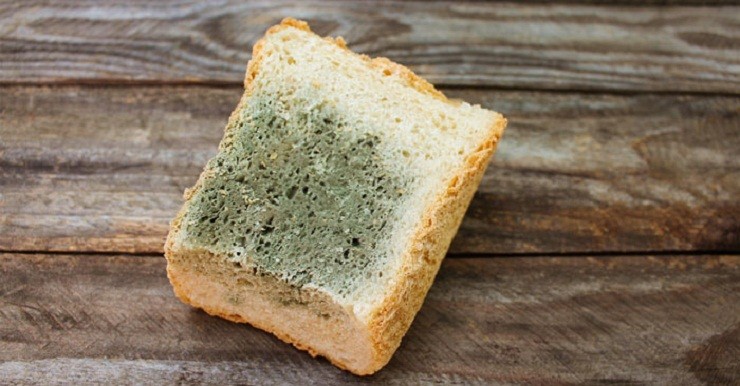
Eating food with mold: here’s what it knows how to do
If you accidentally eat food with mold, it is important to take some precautions. Here’s what to do:
First of all you need to immediately spit out the piece of food with mold from your mouth. Do not try to swallow it or remove it with your hands. Rinse your mouth well with water or a saline solution to remove any residue.
Observe the symptoms carefully. If you develop symptoms such as nausea, vomiting, diarrhea, or other signs of food poisoning, you may want to see a doctor. If possible, store contaminated food to show it to your doctor. It could be helpful in identifying the type of mold present on the surface of the food.
Assess your overall health. If you have pre-existing health conditions or a compromised immune system, it is advisable to see a doctor even if your symptoms are not yet apparent.
In general, eating a small amount of mold accidentally usually doesn’t cause any serious problems. However, it is important to pay attention to the symptoms and seek medical attention if necessary, especially if you suspect that you have ingested a significant amount of mold or if you are particularly sensitive to mold toxins.
As a general rule, it is always best to avoid eating foods with mold. Be sure to check your food regularlyand discard any food that shows signs of mould.


