
Mold in the house? Just resort to fragrant plants to get rid of them, here’s what they are and how to use them in the best possible way.
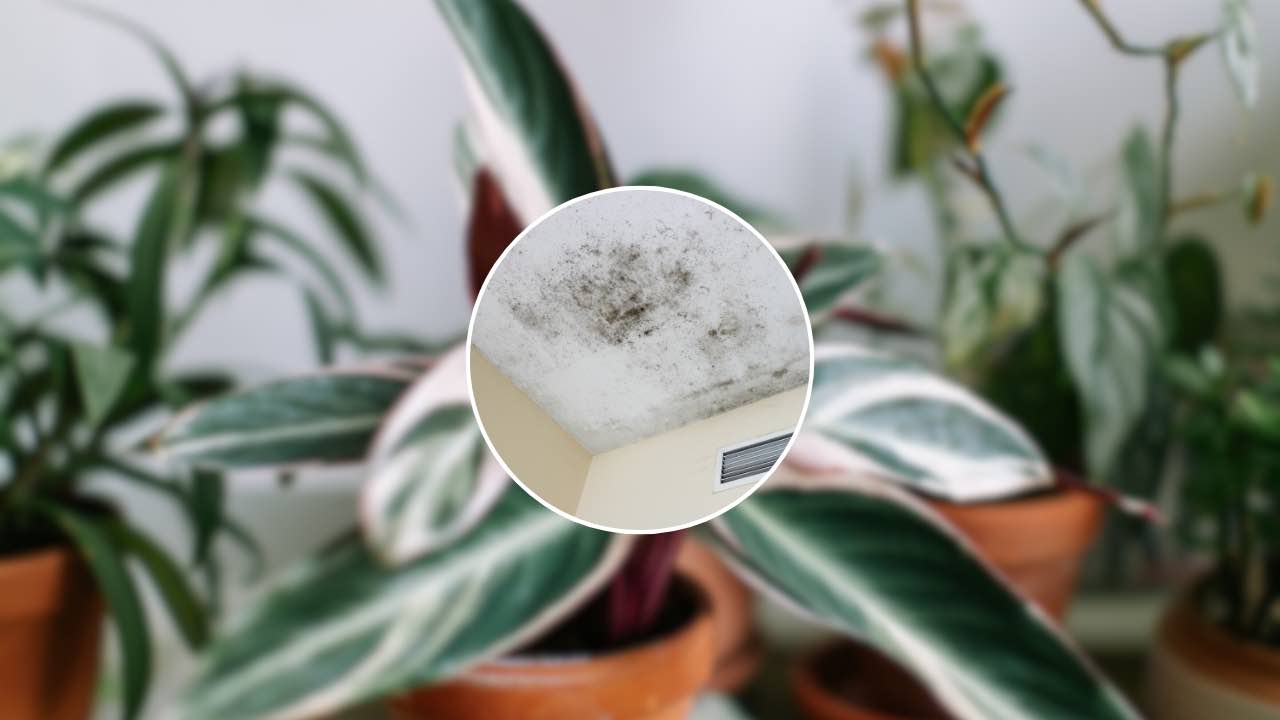
The Mold Problem
Many people have had to deal with mold problems at home at least once in their lives. Whether it’s on the walls or in closets, it’s a serious problem that can lead to respiratory problems.
To prevent mold growth in the home, it is essential to maintain good ventilation, promptly solve any water leaks and infiltrations and make sure that the most humid rooms, such as the bathroom and kitchen, are well ventilated.
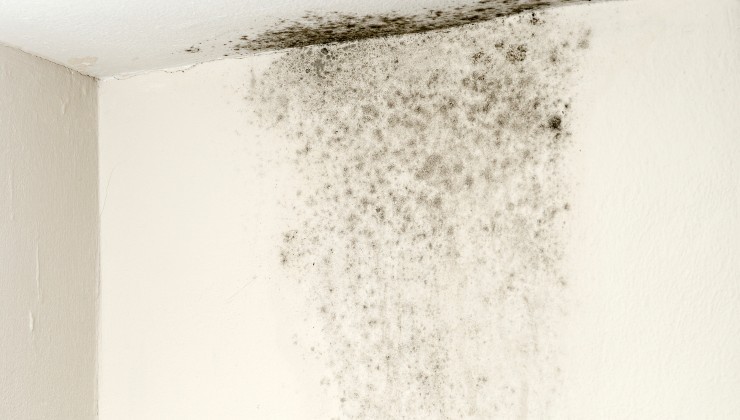
Commercial dehumidifiers, whether salt-based or electric, can help reduce humidity and prevent mold growth. But few people know that there is a completely natural and also aesthetically striking method to eliminate the formation of mold in the home.
Eliminate mold with fragrant plants
It seems impossible, yet even in the case of mold, nature can be an excellent ally in the home. In fact, it will be enough to place some specific plants at home to eliminate it completely.
The first of all is the fern, known for being a plant that appreciates humidity. It is precisely this characteristic that will allow it to be kept in humid environments without the need to wet the leaves. The plant, in fact, will autonomously capture the moisture in the air for its sustenance, just water it less frequently. If the mold problem is in a corner of the ceiling, a fern stored on a high floor, with the leaves falling downwards, will offer a truly scenic effect.
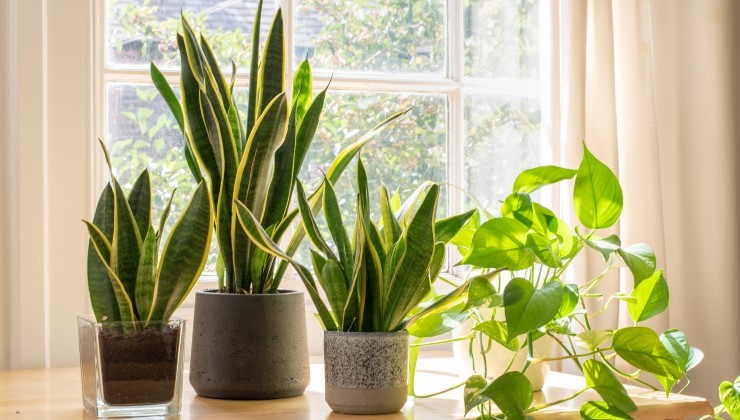
Another useful plant for this purpose is a succulent plant known as Sansevieria. A plant with broad, pointed and striped leaves, it absorbs moisture optimally and does not require direct exposure to the sun. Perfect for the lowest corners.
The house plant par excellence, the Orchid, is also useful for counteracting the humidity present in the house. A plant of tropical origin, therefore a lover of humidity, it will capture as much as possible to feed and grow luxuriantly. The only requirement of this plant is good brightness, so pay attention where you place it.
Last but not least common is the Pothos. Often left to “fall” from pots as a descending plant, it is actually a climber. Resistant and water-loving, it will find excellent nourishment in humidity for its characteristic heart-shaped leaves. Pothos can be grown both in soil and in jars full of water, but in case of mold this last method is definitely not recommended.
How to arrange plants against mold?
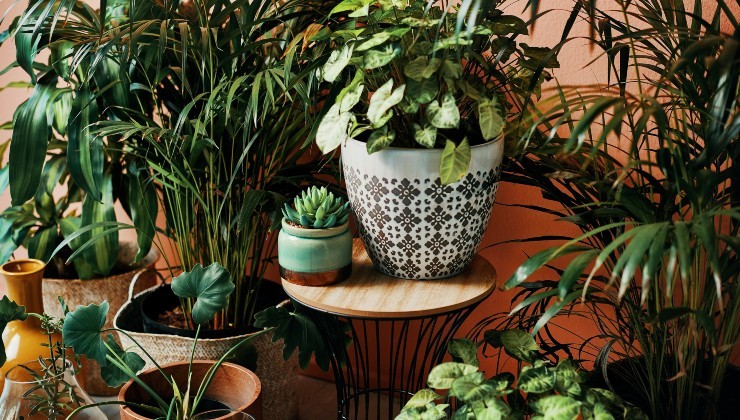
Now that we know which plants are ideal for fighting mold, we need to understand how and where to place them. Certainly plants that tend downwards find an excellent location in the highest points, on shelves or wardrobes. Plants that grow upwards can instead be placed directly on the ground or on small elevations.
It is often believed thatlocating different varieties of plants in a single environment is the definitive solution to the problem. In reality, although these fragrant plants are able to reduce the likelihood of mold formation, they do not 100% exclude its appearance even if planted in groups.
If the humidity level exceeds 70%, the situation is quite serious for plants to solve it. In these situations, it is necessary to consult experts in the field, who will be able to deal with the issue definitively
This does not exclude, of course, the possibility of growing several plants in the same room for purely aesthetic reasons, as well as for a little help against mold.


