
Blue sauce is a classic of modern French cuisine. Particularly appetizing, it goes perfectly with fish and seafood, but also with other dishes! Let’s discover the components of this delicious sauce and learn together how to prepare it!
What is virgin sauce and who invented it?
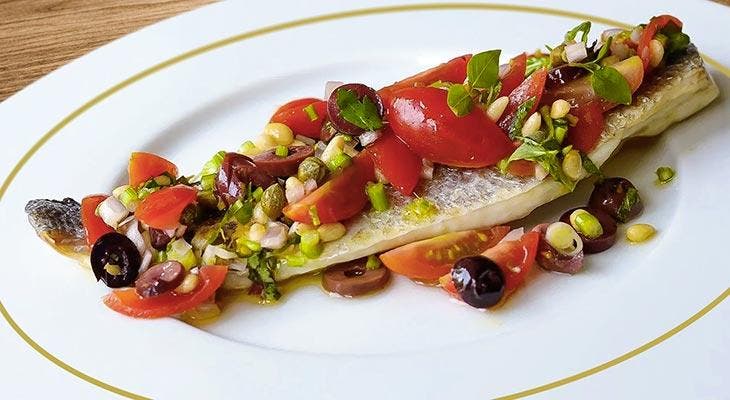
Virgin sauce certainly takes its name from its light and airy texture! This French sauce is made with finely chopped tomatoes, olive oil, fresh herbs and a few drops of lemon juice for freshness! It’s a no-cook sauce that’s both light and summery, both in taste and appearance.
Popularized by Michel Guérard, French chef and leader of the “nouvelle cuisine” movement that emerged in the 1970s, this sauce is one of the best expressions of modern French culinary thought! Indeed, the latter advocates a style of French cooking that goes against classical traditions and highlights the freshness, simplicity and lightness of the ingredients, with an elegant presentation focused on colors.
What does virgin sauce taste like?
An explosion of summery Mediterranean flavours! This is what a virgin sauce is! Add a fillet of anchovies and a mix of fresh herbs and you get a complex and deep combination that will exalt your palate! Keep in mind that the richness and body of this sauce comes from extra virgin olive oil. So for a recipe as simple as this, use the best olive oil you can find for the tastiest result possible!
What ingredients are needed to make virgin sauce?
Virgin sauce can be prepared in many different ways, but the essential basic ingredients remain fresh tomato, olive oil, fresh herbs and a touch of acidity, usually lemon.
The recipe we’re going to look at together today is quite classic, with olives and anchovies for a little extra umami! Let’s take a closer look:
Tomatoes:
Being the key ingredient of the recipe, these must necessarily be good, ripe and juicy!
Anchovies:
This key, non-traditional ingredient adds a wonderful, deep natural flavor to the simplicity of the sauce. In fact, it gives the sauce “that little something extra” that it lacks to be delicious! If you don’t have one, use one of the following substitutes:
- The first and best alternative is: 1/2 teaspoon of fish sauce and a pinch of salt;
- Another option is: 1/4 tablespoon of Worcestershire sauce and a pinch of salt.
Fresh herbs:
These are for freshness, flavor, and color! Parsley, chives, and tarragon are a lovely combination to add interest to our recipe. If you don’t have any, basil leaves and chervil work too!
Olives:
Olives play the same role as anchovies here! They give an extra dimension to the sauce. Juicy and salty, olives give a more distinctive and Mediterranean flavour to the recipe! Not to mention that they colour and brighten up the final presentation!
Garlic :
A small clove of garlic (optional);
Lemon juice:
For even more freshness! If you don’t have lemons, use white or red wine vinegar.
Extra virgin olive oil:
As recommended above, use the best you can afford to ensure great flavor in your dish!
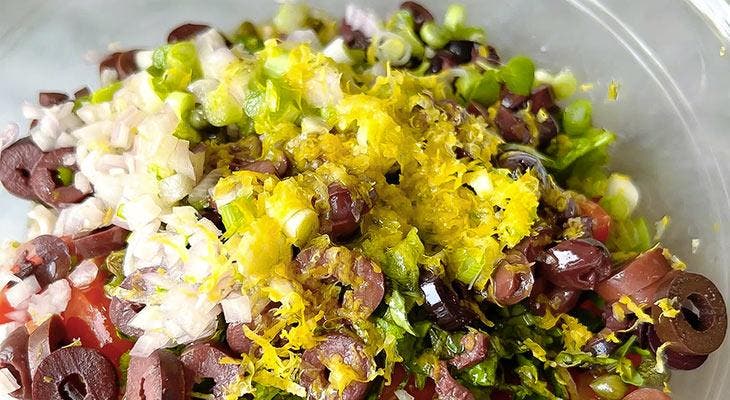
To prepare your sauce, simply combine all the ingredients and mix them together! You can warm up your mixture a little if you want to serve it with hot meals. To do this, put the sauce in a small saucepan over low heat for a few minutes. This technique promotes the union of flavours! However, be careful not to overcook it, otherwise you risk losing all the freshness of your preparation.
What to serve with Virgin Sauce?
Very fresh, the virgin sauce is particularly tasty and pairs wonderfully with seafood! Moreover, its use is not limited to shrimp and other seafood! You can also serve it with chicken, pork or vegetable cutlets.
This sauce is also perfect for turning your plain grilled toast into bruschetta or for adding extra flavor to your nachos “salsa dip” style! Try it with pasta, tortilla, frittata or corn fritters too!
Fish (cod, salmon, sea bream, red mullet, tuna, sea bass or razor clams):
Just pour it on top;
Chicken or pork:
Fry the meat with a little salt and pepper, then cover it with virgin sauce;
Vegetables :
Lightly roast or steam your vegetables and serve with a side of salsa;
Dipping Sauce:
Place your corn chips on a large plate with a bowl of virgin salsa in the middle and your homemade appetizer is ready! Dip your chips in the salsa and enjoy!
Eggs:
Pour the virgin sauce over omelets or frittata or try it with an egg white omelet!
Bruschetta or crostini:
Cover your toast with virgin sauce and that’s it!
Pasta:
Simply boil your pasta and mix it with the Virgin sauce.
What is the traditional recipe for virgin sauce?
Ingredients
- 5 and a half tablespoons of extra virgin olive oil;
- 2 tablespoons lemon juice;
- 2 tomatoes, seeded and cut into very small cubes;
- 12 black olives, pitted and cut into strips;
- 2 anchovy fillets, very finely chopped;
- 1/2 teaspoon garlic, very finely chopped;
- 1 teaspoon finely chopped parsley;
- 1/2 teaspoon finely chopped chives;
- 1/2 teaspoon finely chopped tarragon leaves;
- 1/4 teaspoon black pepper.
Steps to follow
- Mix the ingredients in a bowl;
- Taste and add more salt if needed!
- Let the virgin sauce rest in the refrigerator for 20 minutes to allow the flavors to blend.
Consume this sauce immediately after preparation. You can also eat it the next day as long as you store it in an airtight container in the refrigerator.
Frequently Asked Questions
Why the name virgin sauce?
The name virgin sauce refers to the virgin olive oil used to make it. It is also said to be named after the Queen of England, Elizabeth, also called “The Virgin Queen”.
Why do you put olive oil in the sauce?
Olive oil is a basic ingredient for making sauces. Indeed, it is essential to give body and flavour to the sauce. This is how we get that velvety and creamy texture that we love!
Can you freeze virgin sauce?
Virgin sauce is easy to store. Remove the excess liquid from the preparation and put it in an airtight glass jar and then into your freezer! The entire jar must be defrosted when using it later. You cannot refreeze it a second time!


