
There are plant species that are suitable for this season, and that can be kept on the balcony, but also in the garden.
This period is ideal for flowering or planting some types of plants . The temperature begins to drop and nature responds in different ways. Summer plants begin to rest and lose their leaves , while others begin a new life .
From September to November there are species that, if already buried , grow luxuriantly. If we do not have them at home, we can rely on our trusted nursery and choose what we like best.
Ivy , for example, is always suitable, and winter is undoubtedly the best time for its growth. Therefore, cuttings can also be easily multiplied by placing them in soil or water. Since it is an invasive species, it is best to keep it a little away from other plants because it could overwhelm them .
It needs soft , moist and alkaline soil, mixed with sand and peat. Erica is also perennial and develops particularly in these months. It resists the cold and reaches about one meter in height .
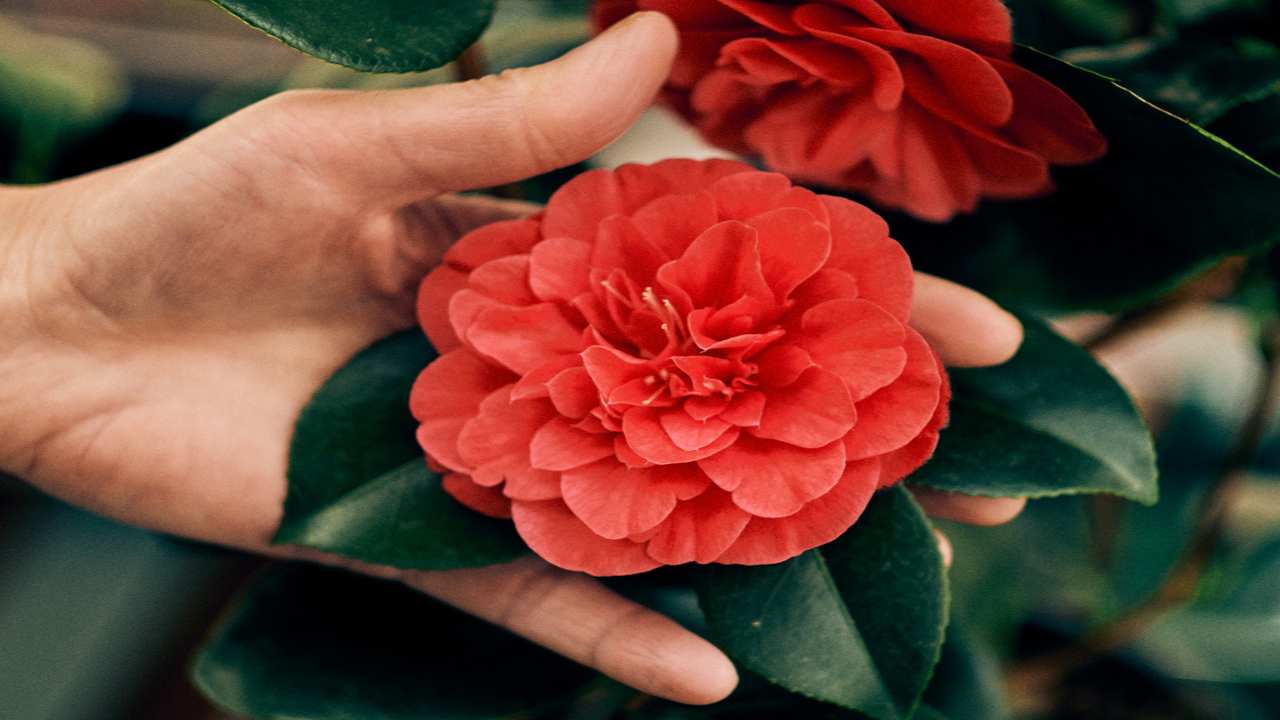
Camellias and Septembers
Already in September, small calyx -shaped flowers begin to bloom , whose color varies from white to pink, red or purple. It needs light and shade and peaty and well- drained soil . Other winter flowers are the September flowers .
Also known as asters, they bloom in the month from which they take their name and continue until October. It is best to place them in the sun and in soft, drained soil . Camellias also bloom in winter, but only some species , so it is necessary to choose the right one.
The choice of soil requires particular attention , which should be mixed with clay, and above all have a neutral pH or, in any case, slightly acidic. The irrigation water , on the other hand, should be slightly calcareous .
For growth and good conservation, the camellia should be placed in a semi-shaded area. The Crocus , or saffron, also blooms between the end of October and the beginning of November , continuing throughout the winter .
It is cold -resistant , but not frost-resistant. It is better if it is in calcareous and drained soil ; if it is in the garden it could have enough water with the rain. Anemone japonica is a perennial herbaceous species that requires special attention.
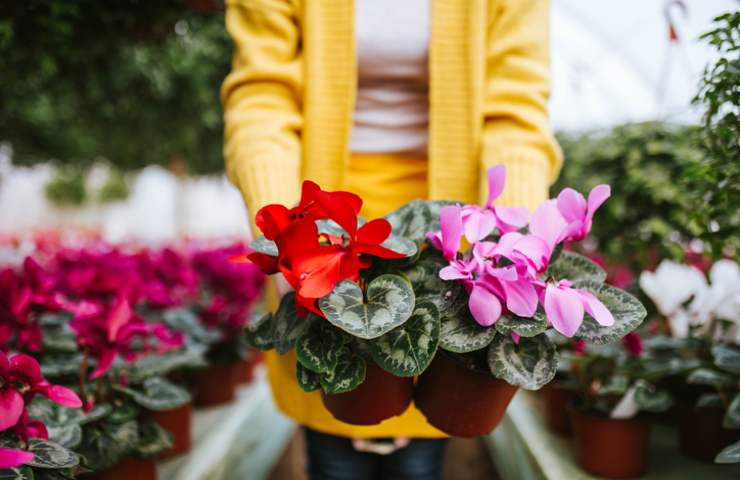
Cyclamens
Having lateral branches that grow from the base, if not buried, it is better to place it in pots with a minimum diameter of 30 cm . It prefers shaded places and usually blooms from the second year of life .
The soil must be soft mixed with peat, so that the roots can grow easily. Finally, the cyclamen is a must , which lives peacefully with temperatures below 15°C. The soil must be moist, better if acidic and rich in humus .


