
Why do some toothpastes have colored stripes that don’t mix and stay separate? Here’s why.
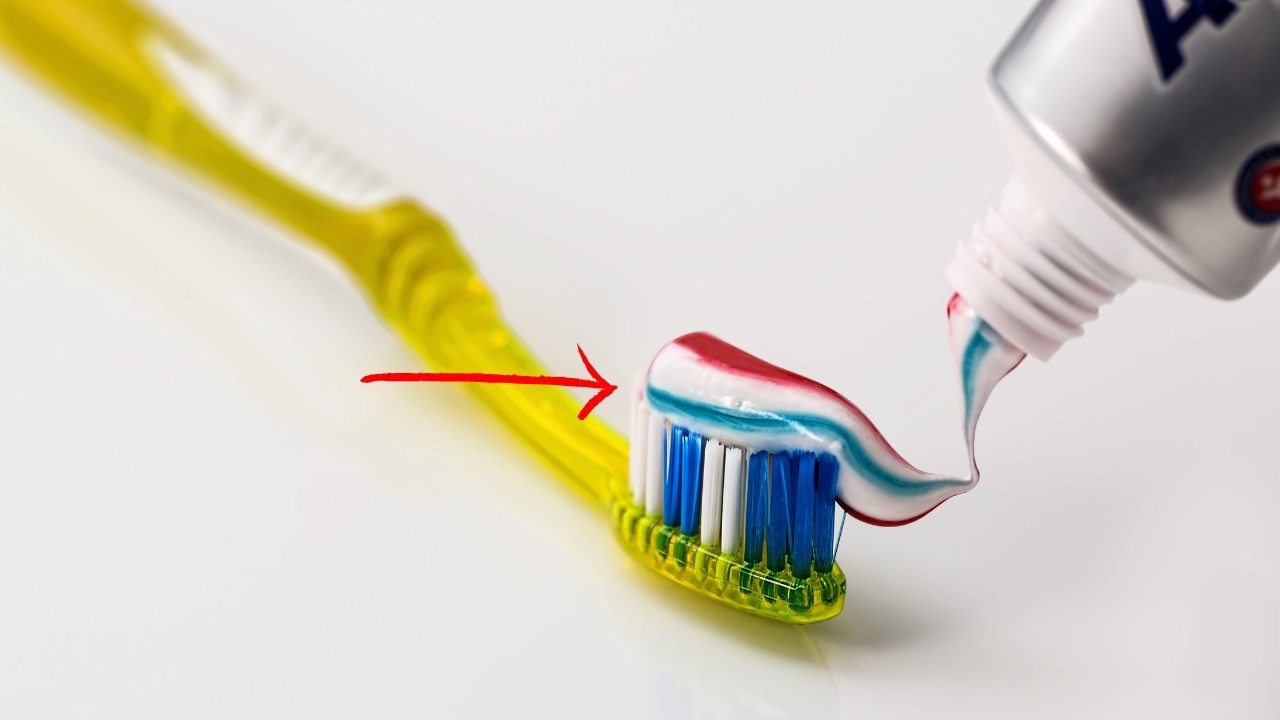
Some types of toothpaste are completely white, or at least monochromatic. But why do many have white paste and colored stripes? And above all, why doesn’t the colored part dissolve? Let’s find out why.
Toothpaste and its characteristics
Nowadays there are countless types of toothpaste on the market, there are even solid toothpastes as well as paste ones.

The first evidence of toothpaste dates back to the 1st century AD , when a Roman doctor created a paste made of vinegar, salt, and honey to remove residual dirt from between the teeth and keep the mouth and breath clean. This is considered the first appearance of something that resembles our current toothpaste, but oral hygiene care was already taking place long before this creation. Some historical sources reveal that already in ancient Egypt, in the 4th century BC, people used to take care of their oral hygiene, and they did it by mixing bay leaves with mint, salt, and pepper. In short, our modern toothpaste has seen numerous precursors, but certainly none of the methods used in ancient times involved the use of colored strips that do not mix.
The colored stripes in the toothpaste
It’s a curious question that we’ve all asked ourselves at least once in our lives. Why do some toothpastes have colored stripes that don’t mix with the white paste ?
Maybe you thought it was a marketing ploy, or a characteristic identification of the product. In reality those colored strips have a specific purpose for the toothpaste itself. The peculiar thing that we all noticed, however, is that once the toothpaste tube is squeezed, the colored strips do not mix but remain intact. How is this possible?
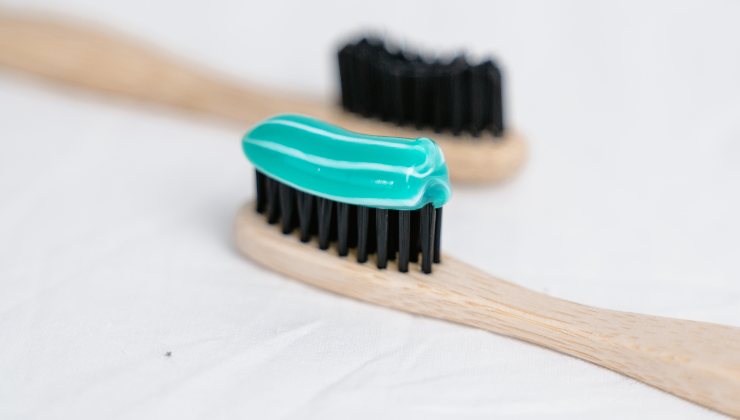
The answer is quite simple, since it all depends on the structure of the toothpaste tube itself, which comes from years of laboratory studies .
There are several techniques that allow toothpaste to have a creamy consistency but with parts that do not mix together. The most modern technique involves several chemical reactions between the parts that make up the toothpaste . With the help of the way in which the paste is pressed into the tube, these reactions ensure that the parts do not mix together. Before arriving at this, however, a more basic method was used, namely the division of the toothpaste tube into several parts , into which paste of different colors was poured.
But how is it possible that even when you squeeze the tube of toothpaste, the paste continues to come out uniformly in different colors?
Why Don’t Colored Toothpaste Strips Mix?
The concept is very simple. The pressure we exert on the tube causes the usually white base paste to compress the colored paste, so that it can come out in the form of strips . The fact that the strips do not overlap depends on their chemical properties that prevent them from mixing and ensure that the toothpaste comes out uniformly.
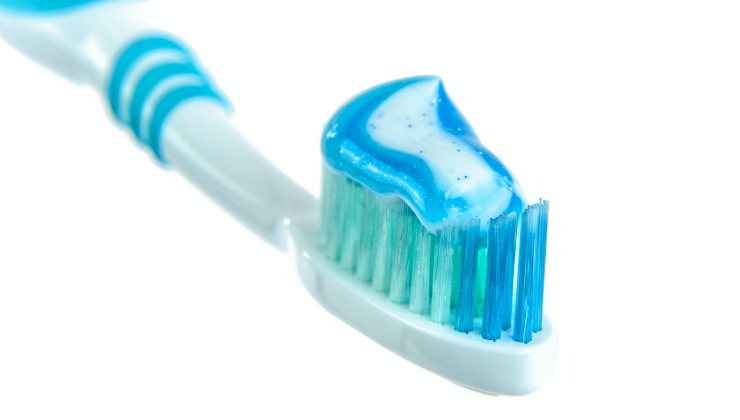
But what is the function of these colored strips and why should they not be mixed ? Basically, in most cases, there is no specific reason other than aesthetics. Most of the time, colored strips act like normal white toothpaste . In some cases, however, they may contain whitening particles or particles that help keep breath fresher. In this case, their composition is completely different from that of white toothpaste, and they may even contain micro granules, which will assist the action of the toothpaste itself.


