
Cleaning the stainless steel refrigerator and removing smudges and fingerprints could be very simple with some useful natural remedies.
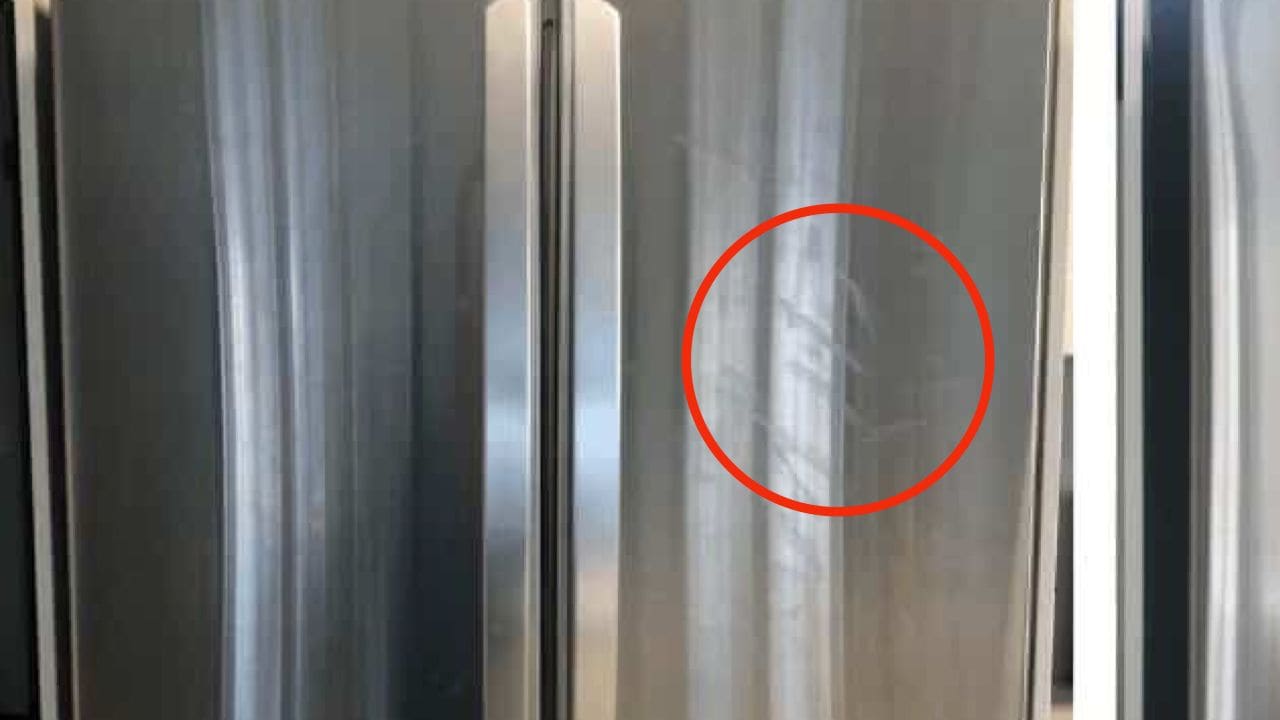
Stainless steel is often present in everyone’s home. It is a material widely used to create different types of objects. These include, for example, cutlery, faucets, appliances, etc. In this sense, it is possible to mention the refrigerator, an appliance present in all homes and often made with this material.
But how can we eliminate the presence of annoying fingerprints? Here are some simple tips to put into practice.
How to Remove Dirt from a Stainless Steel Refrigerator
Stainless steel is a beautiful and elegant material and it is for this reason that it is increasingly chosen for the furniture of modern homes. But many times we don’t take into account the fact that it is also a material that tends to get dirty very easily. Those who own a stainless steel refrigerator will have noticed this. For every person who opens it, there is always a very annoying fingerprint. And day after day, the refrigerator looks less shiny and therefore dirtier.
How to clean it without resorting to detergents and chemicals? The question in question can be answered by saying that there are a number of useful remedies that can be put into practice. And these will be mentioned and explored in more detail below.
Olive oil against fingerprints in the fridge
In any pantry there is this particular ingredient that, in addition to being used to season different types of dishes, can also be of great help in cleaning and polishing stainless steel.
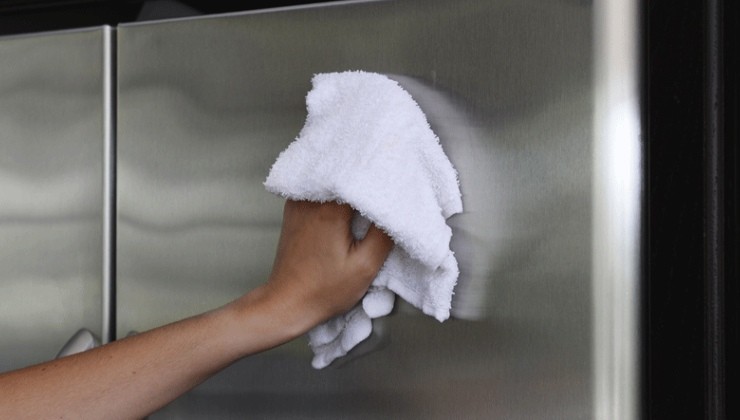
But how exactly is it done? First, you’ll need to take a soft microfiber cloth and pour a few drops of olive oil over it. Next, the cloth will be rubbed over the entire surface of the refrigerator, always using circular movements. The oil will have to act for a few minutes, after which it will be enough to clean the refrigerator with a soft cloth previously soaked in white vinegar. In this way, it will be possible to remove any traces of oil present on the device.
How to proceed at this stage? Simple, just wipe a cloth soaked in warm water over the fridge to remove any kind of stain. Your device will finally shine like never before.
Lemon juice against halos
Another useful ingredient for removing any traces of dirt from the steel refrigerator is lemon juice. This ingredient has excellent brightening power and it is precisely for this reason that it is often used as a true natural polisher.
How to remove stains and traces of dirt? Simple, you will need to dilute the juice of two lemons in about 1 liter of water. And then dip a soft cloth into this solution.
Next, the cloth in question will be rubbed on the surface to be cleaned, paying special attention to the parts where there are more stains or fingerprints. Only after scrubbing thoroughly will it be possible to rinse with a cloth previously soaked in warm water.
Using a soft, dry cloth, simply dry the refrigerator and remove excess water. At this point, you’ll finally be as clean as ever.
Baking soda for halos
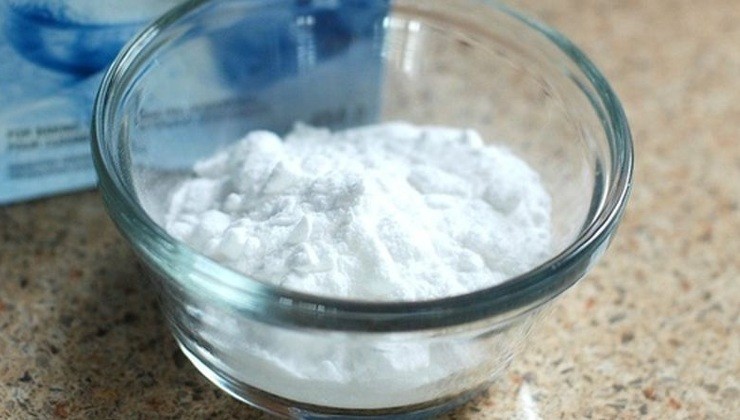
As is often the case when talking about natural remedies, it is possible to mention baking soda. And in fact, this ingredient can be used in many ways, including cleaning and removing stains and handprints from the steel refrigerator. But how exactly is it done? Simple, just mix with warm water and baking soda. Be careful to dilute the baking soda well because otherwise you could scratch the refrigerator.
Only once the mixture is well diluted will you have to dip the cloth in it and put it in the refrigerator. The mixture should act for several minutes, after which it will be enough to simply rinse with a paper towel or cloth.
Some useful tips
Therefore, there are different ingredients that you can use to clean and polish your stainless steel refrigerator. You just have to choose the one you like the most. In any case, there are some useful tips to follow. One of them is to avoid using abrasive sponges or so-called wire wool pads, as they could scratch the refrigerator.
Again, it is also recommended to avoid using corrosive detergents such as chlorine and bleach.


