
It is often possible to come across old orchids that seem discarded. Don’t do this, they can be easily recovered.
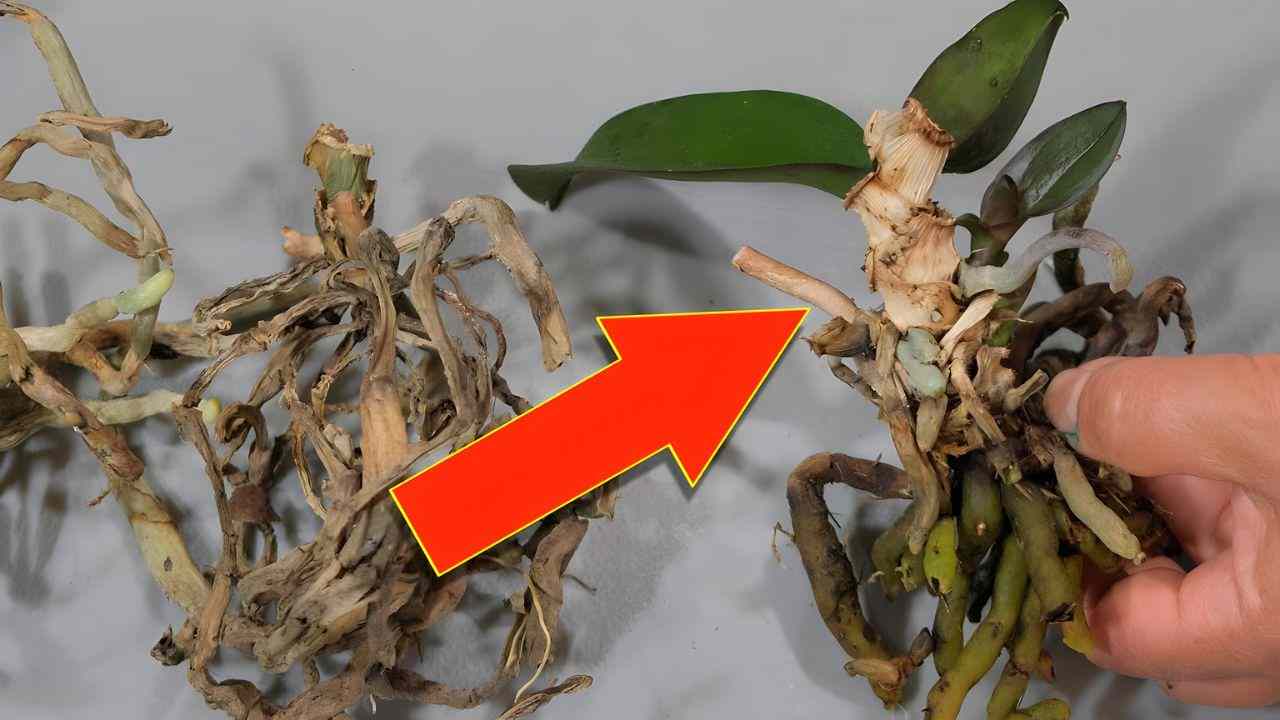
Orchids, plants loved by many gardening enthusiasts, often prove difficult to grow. In fact, it is not uncommon to find yourself in front of a sad spectacle: an orchid that seems completely dry and desperate. The temptation to throw away old orchids and replace them with new plants can be strong, but before making hasty decisions, it’s critical to know that orchids can be recovered and restored to their original beauty. Let’s see how to bring orchids back to life in a simple way.
Never throw away old orchids
Whatever their species, orchids have specific needs that you need to know about in order to care for them properly. They are plants that in nature are used to living clinging to other plants or surfaces, absorbing nutrients and water from the surrounding air and organic matter. These plants prefer tropical climates and thrive in bright places but away from direct sunlight. However, it may happen that you come across an orchid so dry that it looks dead, but you should never take it for granted. There are procedures that can be followed to try to recover and restore vitality to the plant.
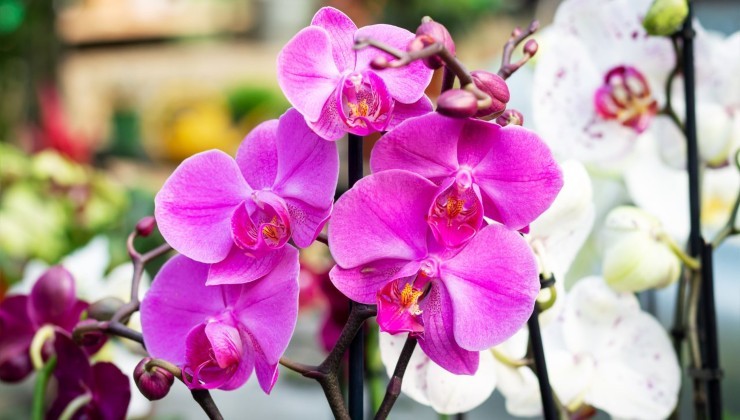
First of all, it is necessary to isolate the plant from other specimens to avoid the risk of spreading diseases. Once this is done, carefully examine the stem and roots. If the stem looks hollow and the roots are dry and brown, the plant is most likely dead, but that doesn’t mean it’s really useless. Carefully, you can try to delicately cut the stem, removing only the obviously dead parts and trying to preserve the parts that are still alive. Next, soak the roots of the plant in distilled water at room temperature for about 15-20 minutes. Distilled water will help hydrate dry roots and stimulate the recovery process. After soaking the roots, gently wrap them in sphagnum moss, which retains moisture and creates an ideal environment for root growth. Ideally, you should place everything in a glass vase, to let light through and at the same time protect the plant. Then place the plant in a bright environment but away from direct sunlight and wait.
How to Proceed After Stem Care
It’s important to remember that retrieving orchids takes time, patience, and constant care. Check the plant regularly to make sure the moss is always moist and add distilled water if necessary. At the same time, care should be taken to avoid overwatering, as orchid roots can rot if they sit in standing water for too long.

As the weeks go by, the first signs of life should begin to appear, developing new roots and even a possible sprout on the stem. These are positive signs of recovery. In this phase it is necessary to follow the care described above, in order to quickly witness a true rebirth of the orchid. Retrieving an orchid that looks dead can be very rewarding, especially if you’re emotionally attached to the plant. These plants, although fragile, can surprise with their incredible ability to regenerate if placed in the right conditions.


