
Do you know that there are three signs to know when to transplant the orchid? That’s right, let’s find out what they are and you can immediately understand when to repot your magnificent plants.
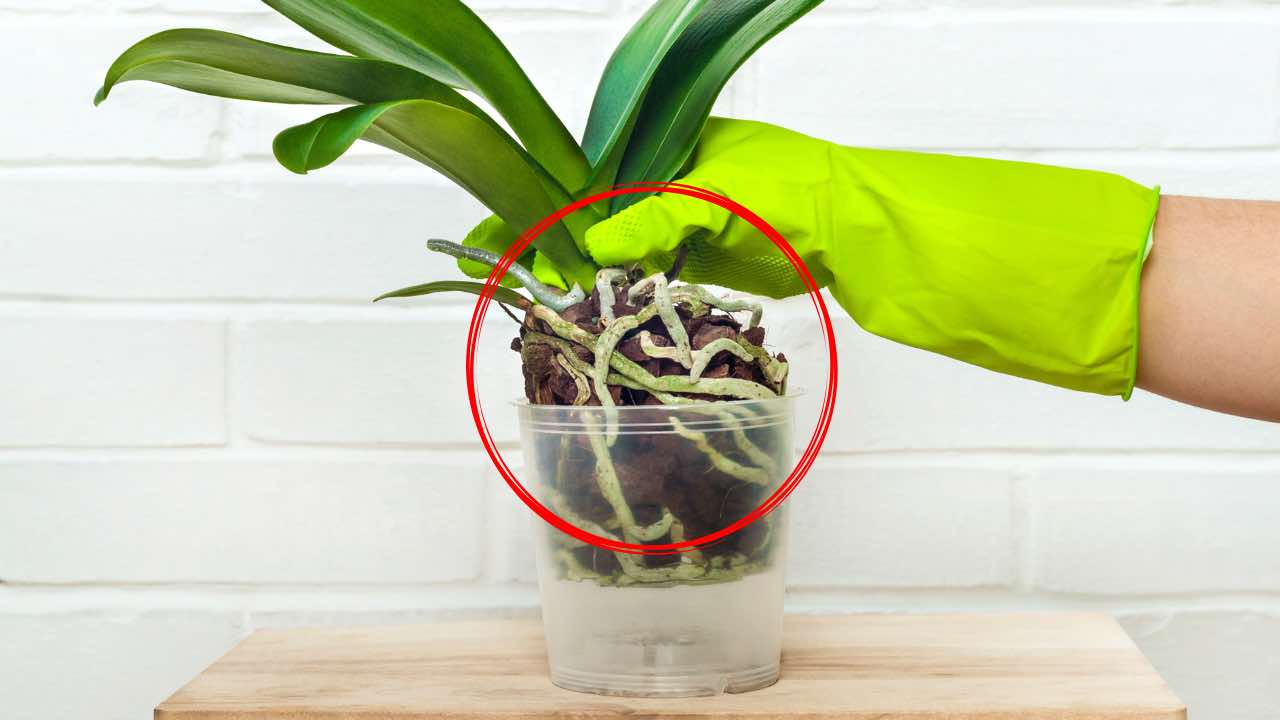
You never know when it’s time to repot your orchids? Don’t worry, you should know that there are three signs to know if the time has come. Let’s find out what these signs are that will allow you to proceed with transplanting and obtain wonderful flowers!
How often to transplant the orchid
One of the most beautiful plants to grow in an apartment is undoubtedly the orchid, wonderful for its aroma and the delicate flowers it produces. Suitable for decorating environments, this plant is not difficult to grow, but it is important to know when it needs to be transplanted to ensure lush growth and flowering. In fact, if a pot just as small is fine when it’s still small, when it starts to grow it needs more space to allow the roots to develop. Generally, the transplanting of this plant should be done every two years, or at most every three years, however it is good to know when the right time is by paying attention to the unmistakable signs.

Thanks to these signals, it is possible to identify the right time to transplant the orchid and ensure better growth. That is why it is important to know what these signs are, so as not to neglect the plant and to act when it is necessary to transplant it. Let’s find out what the 3 signs are to understand that the time has come to transplant the orchid!
Three signs to transplant your orchid
To ensure that the orchid has lush growth and long-lasting flowering, it is necessary to know when to repot, which usually happens every two to three years. However, these are not always the times to perform this important operation and there are signs that allow you to immediately understand if it is advisable to proceed with the transplant in advance. These are signs that must be taken into account, especially if you are not an expert in the sector, to avoid making mistakes and risking the death of the plant. Here are the 3 signs to look out for to know if orchids need to be transplanted:
The pot is full of roots.
When the roots grow through the drainage holes it means that the pot has become small and no longer adapts to the size of the plant, so it must be transplanted.
The roots have mold.
The presence of mold on the roots, due to the very wet soil, which has probably caused water stagnation, warns that it is time to change the orchid’s pot.

The leaves are low and yellow.
The last signal that shows when it is time to transplant orchids is given by the leaves. If they are yellow and low, the stems will dry out, so it should be transplanted immediately.
How to Transplant an Orchid
Repotting the orchid is a very important operation, which should not be underestimated and must be done correctly to avoid damaging the roots. Before proceeding with transplanting, get a few pieces of bark to create a layer that accommodates the roots. Here’s how to proceed: Remove the plant from the pot, being careful not to break the roots;
- Release the roots from the soil and check that they are not broken or dry;
- Cut off the unhealthy parts with scissors and remove the yellowing leaves and dry stems;
- Prepare the soil to accommodate the plant and add the bark pieces;
- Bend down the roots of the orchid to be transplanted and place it in the new pot;
- Slide the soil between the roots and arrange it with your hands or a garden trowel.
The orchid transplanting operation is complete, it is now necessary to fill all the empty spaces between the roots with soil and proceed to watering. For the next three days the plant should be kept moist.


