
Over time the white loses its brilliance but the yellowed walls of the house are not really beautiful to look at. And that’s why today we are going to reveal natural methods to make sure that the relatives of the house return to have that bright white of the past.
Welcome to our blog dedicated to cleaning the interior walls of your home! If you’re looking for a simple and cost-effective way to turn the walls of your home as white as if they had just been painted, then you’ve come to the right place.
In this article we will show you a secret ingredient that will allow you to eliminate unsightly yellowing from the walls without necessarily having to whitewash. You will also discover some useful tips and tricks to remove stains from kitchen walls and to paint walls in a natural way. Read on for all the details!
Yellowed house walls: the frequent causes
Yellowing of the interior walls of the house can be caused by several factors. Among the most common, we find condensation and humidity that accumulate in rooms without adequate ventilation. Cigarette smoke is another element that can contribute to the yellowing of walls, as can scented candles or incense.
Aging of the paint used to paint the walls can also lead to a progressive yellowing of the original color. This type of problem occurs especially in homes with poor natural light and in those subject to frequent temperature changes.
Finally, if the walls are not cleaned consistently and thoroughly, dust and dirt can accumulate on the surface, making it less bright and turning white into pale yellow. To avoid this inconvenience, it is recommended to regularly clean the walls regularly, using specific products to remove dirt without damaging them.
Cleaning yellowed walls of the house without painting: here’s how to do it
Cleaning walls without painting is possible with a few simple tricks. Let’s start by saying that constant cleaning prevents yellowing of the walls and the deposit of dust on them. For daily cleaning, you can use a soft cloth or damp sponge to remove dust and light dirt from the walls. Another excellent ally in cleaning walls is lukewarm water in which baking soda is added. Alternatively, a mixture of white wine vinegar and water can be used to remove yellow stains from the walls, moistening a cloth and applying to the affected area. Once the mark left by the stain has been removed, it is recommended to go over the same area again with a clean cloth soaked in water.
Before proceeding with the actual cleaning, it is advisable to make sure that the power sockets are covered and protected from moisture in order to avoid short circuits or damage to the appliances. If, on the other hand, you have stains that are difficult to remove such as those on the kitchen caused by food or condiments, here is a little trick: gently rub a little toothpaste on the stains using a soft-bristled toothbrush; then rinse with warm water and dry well with a soft cloth.
In general, when it comes to interior masonry, it is always advisable to pay attention to chemicals that are too aggressive because they could damage the paint or fade the colors. For this reason, it is better to opt for homemade natural detergents!
Removing dust from walls: the best method
To keep the walls of your home clean and dust-free, it is important to regularly remove any dirt that accumulates. Dust can be annoying not only for the aesthetic appearance of the walls, but also for the health of the inhabitants of the house.
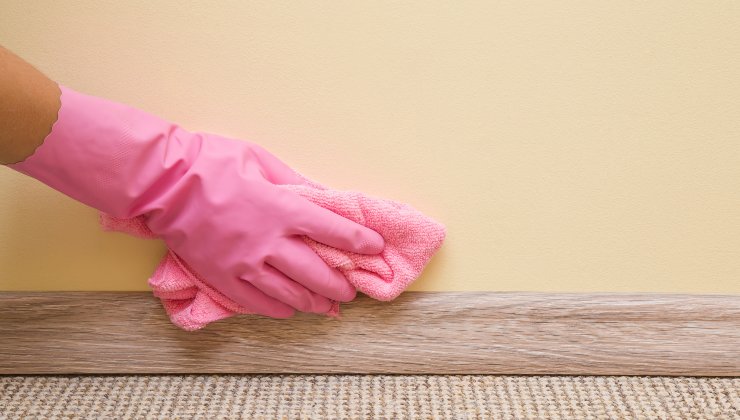
The best method for removing dust from walls depends on the type of finish on the surface. For painted or wallpapered walls, use a dry or slightly damp microfiber cloth. Alternatively, there are also specific vacuum cleaners equipped with soft nozzles to prevent scratches.
If, on the other hand, the walls are made of stone or exposed brick, the best way is to use a soft-bristled brush. Gently rubbing on the walls can remove dirt and dust residues.
In any case, attention must be paid to hard-to-reach areas such as the upper corners of the ceiling where dust accumulates the most. Using a stable step and a powerful brush can easily eliminate these unwanted build-ups.
Finally, always remember that regularly removing dust from your walls will help you have a cleaner and more welcoming home!
How to remove stains on kitchen walls
The kitchen is one of the places where walls can get the dirtiest Cooking, food preparation, and steam from cookware can cause stains that are difficult to remove. Here are some tips for cleaning stains on kitchen walls.
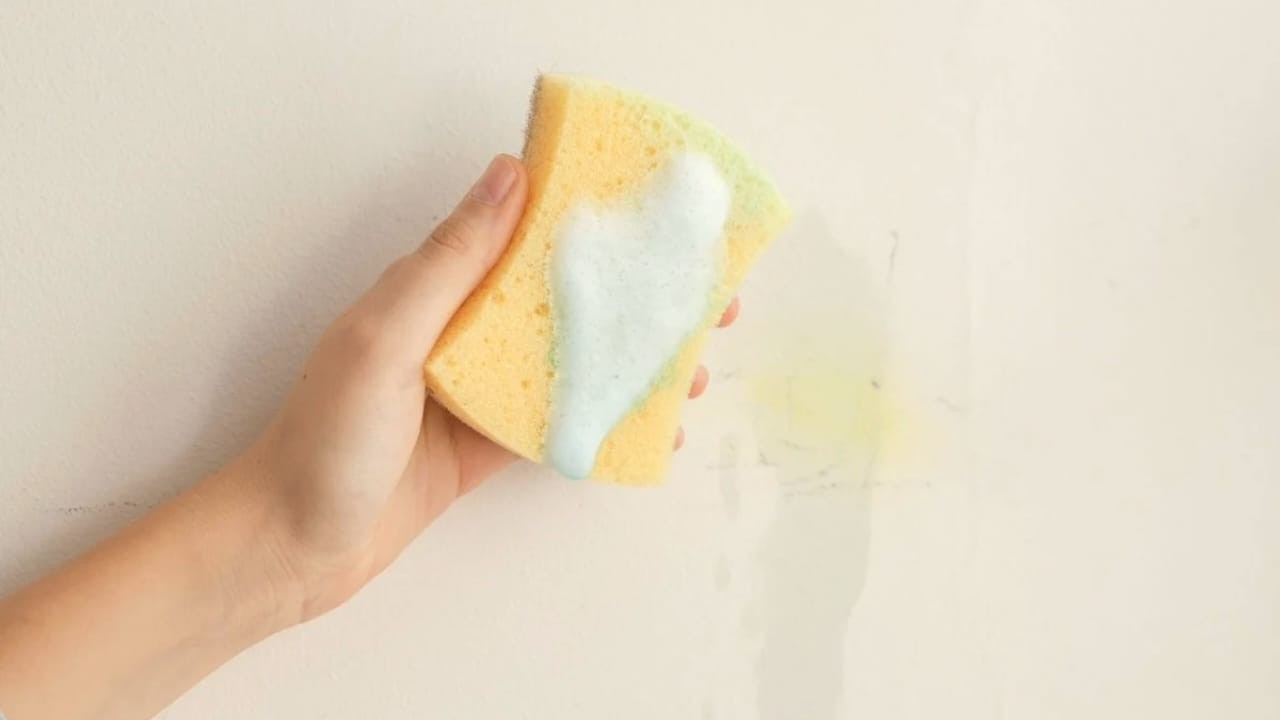
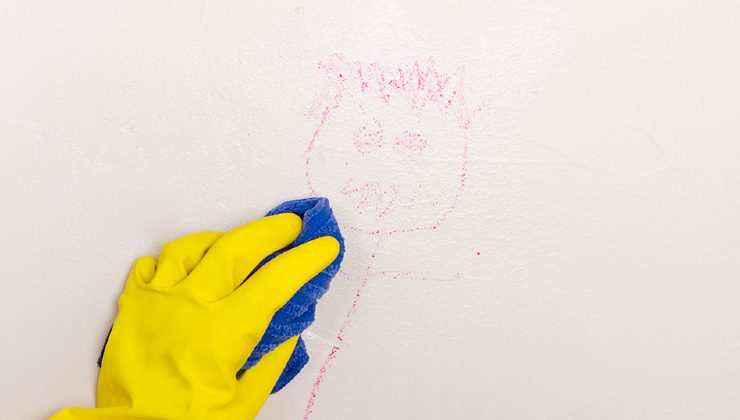
Let’s start with a simple solution: soap and water. Simply apply a little warm soapy water to a soft sponge and apply light pressure to the area affected by the stain. Repeat until the stain disappears completely.
If this method doesn’t work, you can try using alcohol or baking soda. The alcohol should be diluted in warm water and applied to the stain with a soft cloth, while the baking soda should be mixed with a little water until a thick paste is obtained to spread on the affected area.
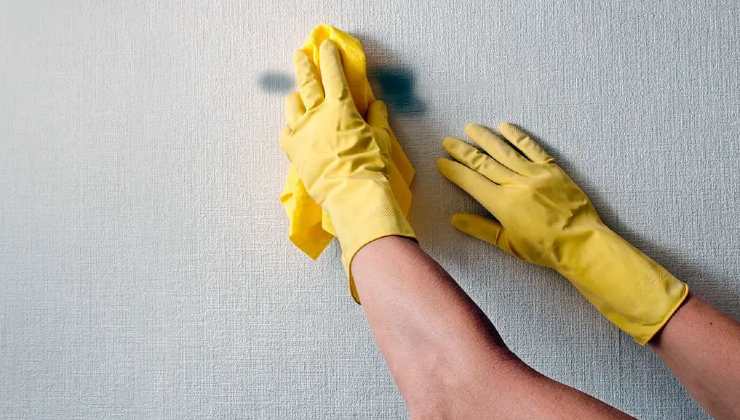
If you have persistent stains such as grease or sauce, you can use warm white vinegar instead of alcohol or baking soda. Leave on for a few minutes before rinsing thoroughly with warm water.
Finally, if your walls are painted, washable, resistant to mold, you can also use bleach diluted in a proportion of 1:10, but be careful in using it because it can damage both fabrics and delicate materials. With these natural methods you can drastically reduce the traces on the walls of your kitchen and make them white again as if they had just been whitewashed.
How to paint walls naturally
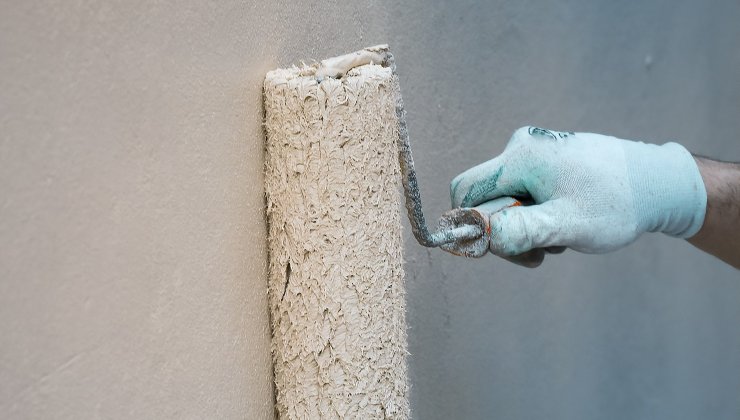
Painting the walls of your home can be a challenging, expensive and sometimes even harmful job for your health. Fortunately, there are natural ways to turn walls white again without having to resort to harmful chemicals.
One of the simplest solutions is hydrogen peroxide. Simply mix warm water with hydrogen peroxide and rub the mixture on the wall with a sponge or soft cloth. This method works very well on walls that have turned yellowish due to smoke or dust.
Another natural ingredient useful for whitewashing walls is baking soda. Mix it with a little water until you have a thick paste and apply it to the affected area using an old toothbrush or soft brush. Leave on for about 15 minutes before rinsing thoroughly.
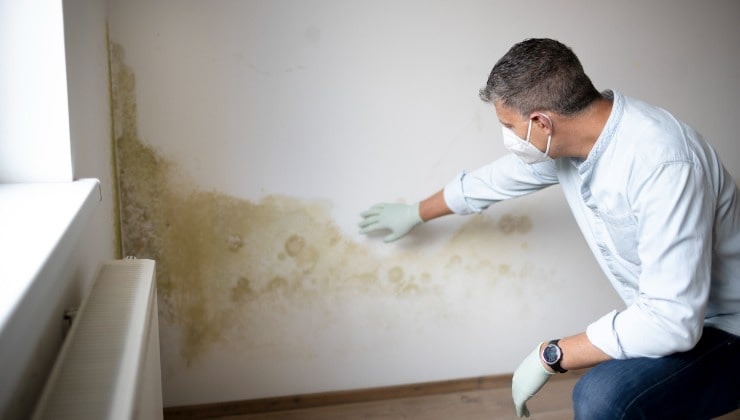
If you want to get even better results, you can add lemon to your baking soda solution – great natural whitener! Lemon has antibacterial properties and is able to remove many stains from fabrics, so it can definitely help you with cleaning household surfaces as well.
Finally, if you only need to reduce the appearance of dirt on your walls but don’t want to paint them entirely white, you can opt for lavender: put it in bags and place them near the walls. Lavender has a pleasant aroma and also has cleansing properties, so it will be useful in removing dirt and stains.
Yellowed house walls: the solution is simpler than you imagine
To keep the walls of your home white and bright, you don’t always need to repaint the entire interior. With the right cleaning products and techniques, you can remove dust, stains, and yellowing from your walls to make them look like new again.
Remember that prevention is key: try to avoid situations where the walls can become dirty or damaged. Keep furniture at a safe distance from walls to avoid scratches or stains, use protection when doing work around the house that could cause damage to the walls, and make sure to ventilate all rooms regularly.
Finally, if you decide to paint your walls anyway after cleaning them, choose natural dyes instead of harsh chemicals. This way you will not only have a beautiful interior but also a healthier environment.
Follow these simple tips and your walls will return to being as beautiful as they were just whitewashed without having to spend too much money.


