
Among the many idioms of the Italian language there is also ‘farsi infinocchiare’, used to indicate the rip-offs received: what does it come from.
The Italian language is also rich in many idioms, which are often used on certain occasions. And which have now become part of everyday speech. Very often these sayings are born in very specific places, but with the passage of time they spread regionally and then also throughout the country. These are phrases whose meaning should not be taken literally, but in a figurative sense. Just think of one of the most common sayings, namely “get out of the way”: in this case, in fact, we are telling the other person to go away and not to move from our feet.
To be fooled, why do we say so? The history of the famous saying
Idioms, also known as idioms, enrich the speech and give even more value to what we say. Clearly we need to know how to use them, otherwise we only risk not being able to make ourselves understood.

As mentioned, the Italian language includes many idioms, such as “It rains on the wet”, “Chiodo drives out nail”, “Don’t have hairs on the tongue” and many others.
Another widely used saying is undoubtedly that of being ‘fooled’. It will have happened to us too to hear at least once “You got fooled”, or “Don’t get fooled” and so on.
This saying is used to warn the other person against a possible scam against him, or to point out that he has already been ‘screwed’ and there is no more time to fix it. Where does this saying come from?
The birthplace of the saying “Don’t get fooled” is the ancient Roman tavern. Basically it is a very smart move put in place by the innkeepers as soon as they realized that their wine was beginning to lose its flavor and look more and more like vinegar.
The solution devised by the innkeepers to continue to offer wine to customers consisted of serving raw fennel before wine. Why this choice? The reason is soon said.
‘To be fooled’, the saying was born in Roman taverns
Fennel, in fact, is rich in aromatic substances that have the effect of ‘anesthetizing’ the mucous membranes of the tongue. To be clearer, the intense aroma of raw fennel did not allow customers to realize that the wine was now tending towards vinegar.
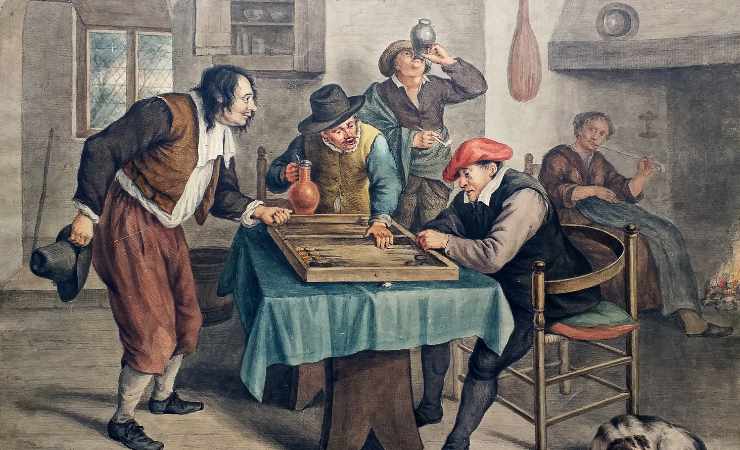
With this scam, the innkeepers of the ancient Roman taverns could continue to serve wine without customers being able to notice that it was no longer good.
As mentioned, at first the saying ‘get fooled’ only concerned the customer deceived by the host. Over time, this saying has become more and more popular and has become part of the common language to highlight every fraudulent situation.
Much of the credit must be attributed to Alessandro Manzoni, who included the saying in his masterpiece The Betrothed, allowing the saying to become part of the Italian vocabulary by right.


