
Lithium-ion batteries, why do they deteriorate? Here’s why and what we can do to avoid it.
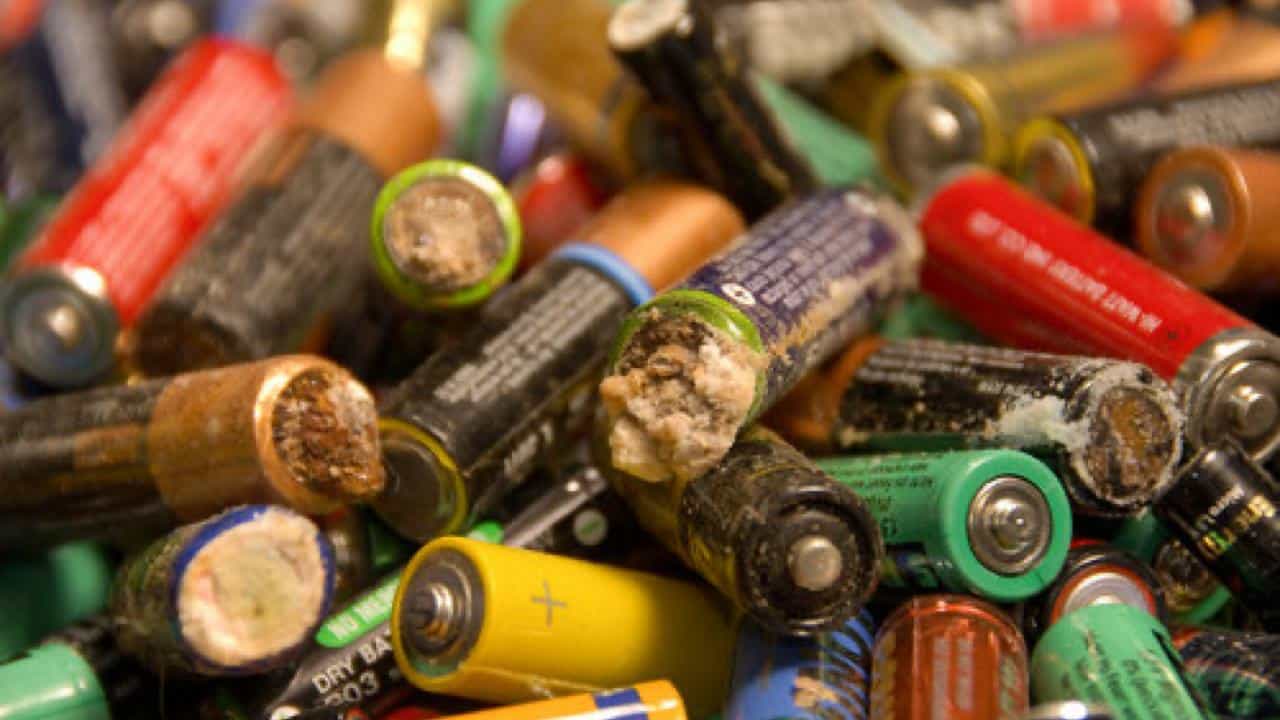
Lithium-ion batteries are widely used in modern technology, powering a wide range of devices, including smartphones, tablets, laptops, and electric vehicles. They are appreciated for their performance, high energy density, and fast charging capability. However, over time, these batteries tend to lose some of their energy resulting in a drop in performance, leading to the need for replacement or reduced range. But what are the causes of this deterioration?
The characteristics of lithium-ion batteries
Lithium-ion batteries use the movement of lithium ions between two electrodes, the anode and cathode, through an electrolyte. During charging, the lithium ions move from the cathode to the anode, and during discharge, the process takes place in the opposite direction. This movement of lithium-ion allows an electrical current to be generated and, as a result, to power the devices.
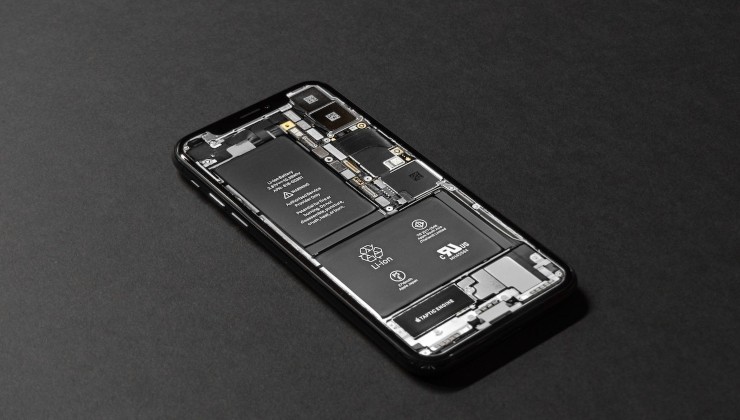
This type of battery has proven to be efficient and cost-effective compared to other technologies, but it has some limitations that contribute to deterioration over time.
The causes of lithium-ion battery deterioration are different, let’s find out together and see if there is a way to avoid it.
Why batteries deteriorate
Like many other items, lithium-ion batteries are not eternal. But what are the factors that lead to their deterioration? The most common one is charging.
During charge and discharge cycles, batteries experience mechanical stress, caused by the volume of materials expanding and contracting. This phenomenon leads to the formation of tiny cracks on the electrode, which can compromise the structure of the battery and reduce its lifespan over time.
With each charge and discharge cycle, small lithium particles can escape from the cells, reducing the amount of lithium available for ion movement. This progressive process naturally contributes to the deterioration of battery performance.
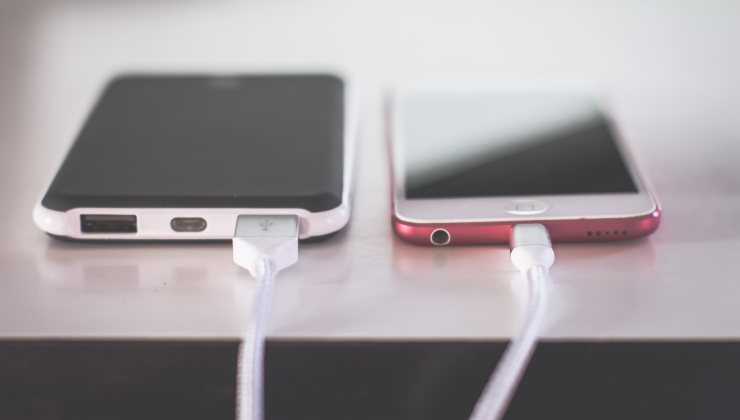
Over time, a thin layer of solid substance forms on the electrodes, known as Solid Electrolyte Interphase (SEI). The accumulation of SEI can cause a loss of efficiency in the accumulation and release of lithium ions, negatively affecting the overall performance of the battery.
High temperatures can also accelerate battery deterioration. Prolonged exposure to heat, for example, can increase the chemical and physical degradation process within the battery, reducing both capacity and lifespan.
Sowhat can we do to prevent battery deterioration? Unfortunately, apart from simply recharging them only when necessary, there is nothing we consumers can do to prevent the natural process of spoilage. However, studies are underway to replace lithium with alternative metals.
Replacing lithium with other metals
Some researchers are investigating the idea of replacing lithium with other metals such as aluminum, copper or magnesium to improve the performance and life of batteries. However, this experimentation is a real challenge. These metals have different chemical properties and require different electrode and electrolyte structures, which complicates the design of efficient and safe batteries. In addition, research and development of new technologies requires considerable time and resources.
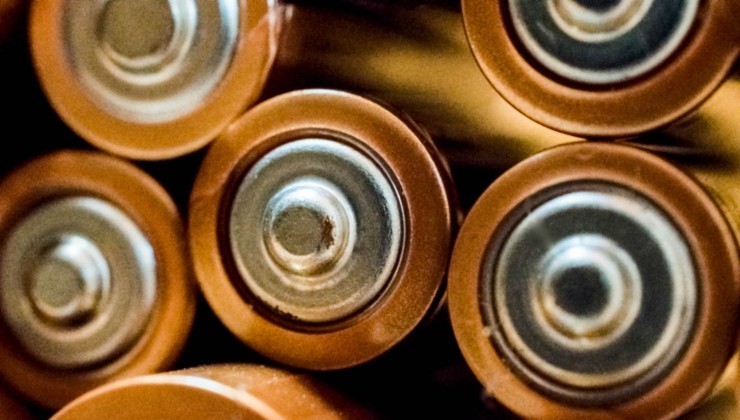
Without a doubt, lithium-ion batteries are a widely used and appreciated technology for their performance and energy density. However, over time, these batteries tend to lose some of their capacity due to chemical and physical phenomena that occur during charge and discharge cycles.
Despite the challenges of replacing lithium with other metals, research continues to develop more efficient and durable batteries. In the meantime, it is essential to adopt prudent usage practices to extend the life of lithium-ion batteries, such as avoiding excessive temperatures and exposure to too extreme charge cycles.


