
The fourth dynamic lane on the A4 has been inaugurated, but does it consist? Let’s find out what this fourth lane is and how it works.
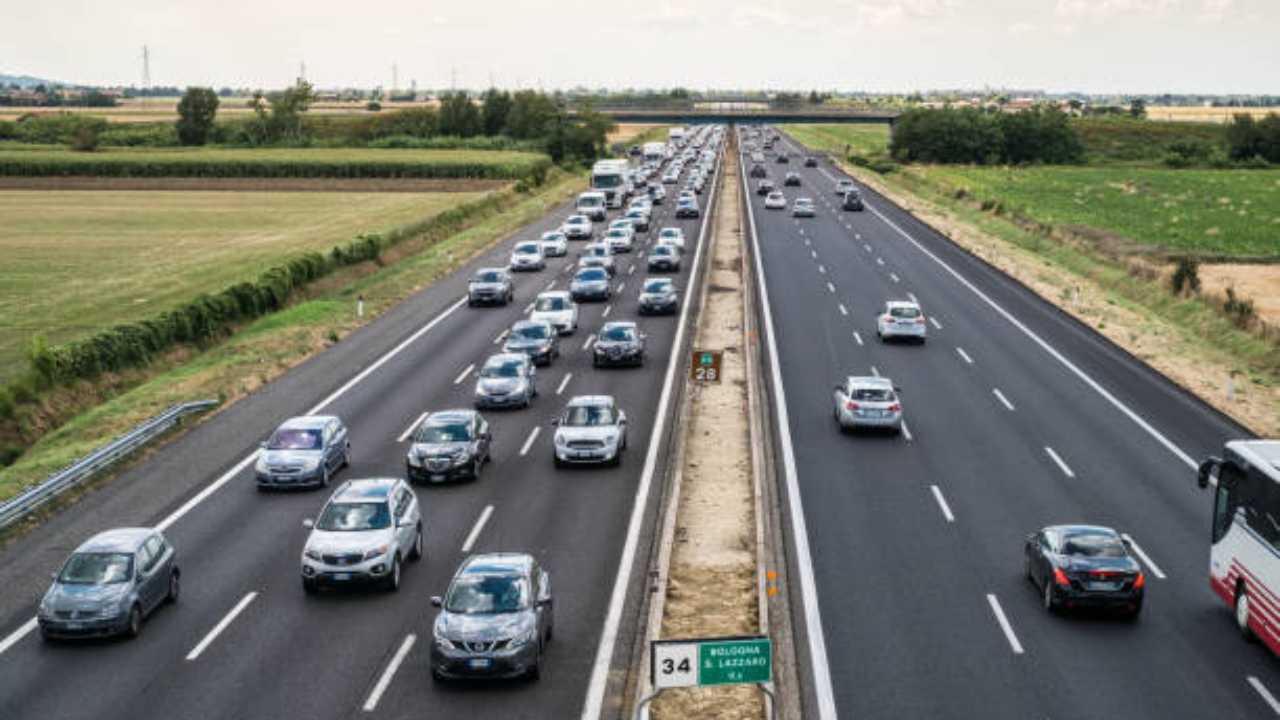
On Tuesday morning, 11 July, the fourth dynamic lane on the A4 between Cormano and Certosa was inaugurated. It is a lane that will make traffic easier thanks to technology and innovation.
What is the dynamic fourth lane on the A4
The fourth dynamic lane inaugurated on 11 July along the junction of viale Certosa and that of Cormanno is an innovative lane that allows you to manage the transition from the three lanes plus emergency to four lanes excluding emergency.
The system with which it was created ensures perfect viability in traveling the fourth lane. The goal is to ensure greater traffic fluidity, putting technology and innovation into practice. The combination of these two elements makes it possible to adapt infrastructures without compromising urban regeneration and sustainability.
This project was launched by the Autostrade per l’Italia group, which built it along the A4 Turin – Trieste motorway and on Tuesday it was finally opened.
How the dynamic fourth lane works
The dynamic fourth lane works thanks to a very sophisticated technological system, developed specifically to make the Autostrade per l’Italia project a reality. In practice, it makes it possible to increase the capacity of the section without widening the roadway.
The project responds to the constantly increasing traffic needs and therefore allows the carriageway to become a four-lane three-lane when necessary. To manage the practicability of the fourth lane is a platform specially designed for this purpose, which carries out the measurements thanks to the data processed by the detection sensors. The data is combined with analytics algorithms and traffic forecasts.
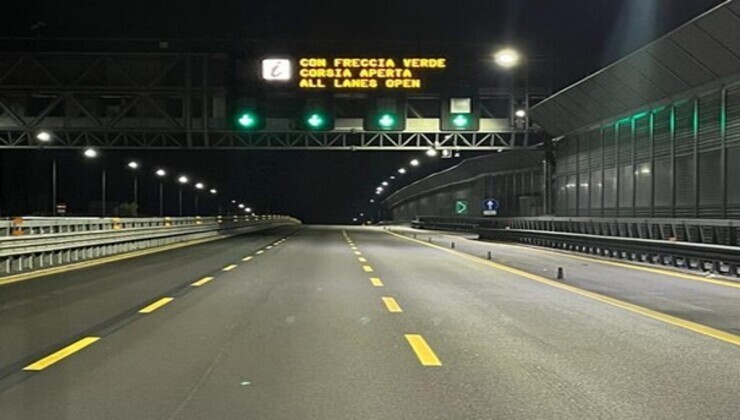
The tasks managed by the system
There are three activities managed by the system, reporting, analysis and detection, each of which works to ensure maximum precision and coordination. The signalling activity transmits data to drivers who are travelling regarding the change taking place in the lanes, while the analysis activity is essential to monitor and keep the flow of vehicles under control.
In addition, the detection activity takes note of any events that may occur in the use of the dynamic lane. For example, if there are queues, if there are vehicles coming in the wrong direction or stopped vehicles. Thanks to sophisticated tools such as cameras with algorithms, laser scanners and radars, everything is calculated with great precision to make this innovative system work at its best.


