
Do you know where the magpie makes its nest? You won’t believe it, but it’s a place where no one ever goes to check. Let’s find out together.
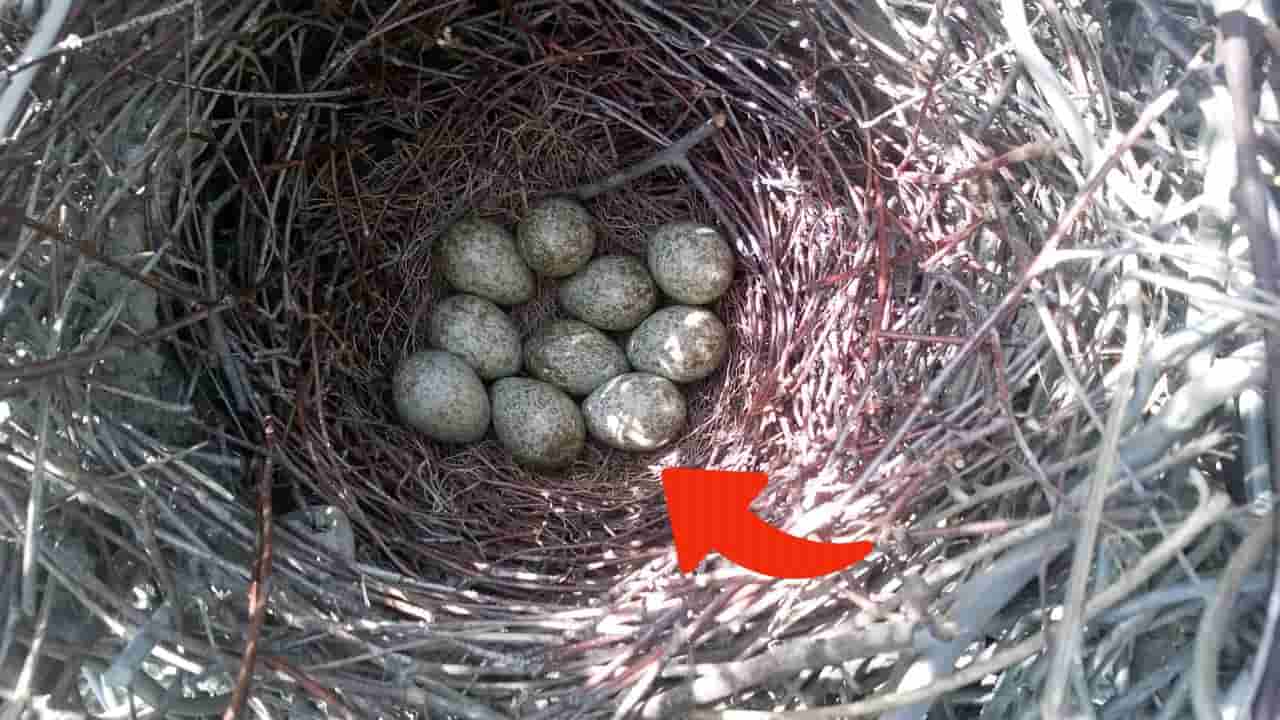
A close relative of the crow, the magpie nests in an unthinkable place, where it usually does not go to check on anyone. Let’s find out all about this bird and where it prepares its nest!
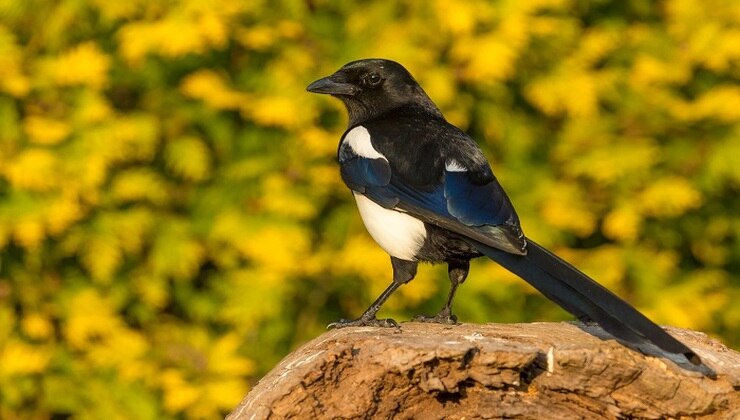
Magpie, some information about this bird
An omnivorous bird with a slender appearance, the magpie is part of the corvid family and is distinguished by its typically harsh sound. Known by the scientific name Pica pica, this bird has a long and very beautiful tail, and plumage that ranges from black to white, sometimes with green, bluish or purple hues.
The feathers can be up to about 50 centimeters long and half are concentrated in the tail. The term thief is attributed to this bird because it instinctively steals shiny objects. In fact, the eggs of other birds are also among its favorite things to steal because they are part of their privileged food. The diet of the magpie is also based on insects, fruits and human waste.
Curious and very intelligent, the magpie lives in Europe but also in many Asian areas and in northwest Africa. It is usually a sedentary bird and does not stray far from its place of birth. Males are the ones who move the most to look for their territory, females instead go in search of a mate.
However, it is important to know that in our country it is forbidden to keep an animal of this type at home, since it is part of the native fauna and therefore it must be preserved by leaving it in its natural habitat.
However, although the regulation in Italy prohibits keeping the magpie, regional laws may establish different rules in specific cases and with regard to hunters.
Magpie life expectancy
On average, the magpie thief has a lifespan of about 5 years, if it lives in its natural habitat. However, in this case the mortality rate of the puppies is very high.
The dangers are also numerous for magpies living in the wild, as they can be victims of predators or can perish due to lack of nutrition, a fairly frequent cause.
In fact, the absence of food in certain areas can put their survival at risk. If, on the other hand, the magpie thief lives in territories where it is easy to get food and is not at risk of predators, its life can be much longer and even reach about twenty years.
This bird is ready to proliferate as soon as it reaches the second year of age, so from when it is very small.
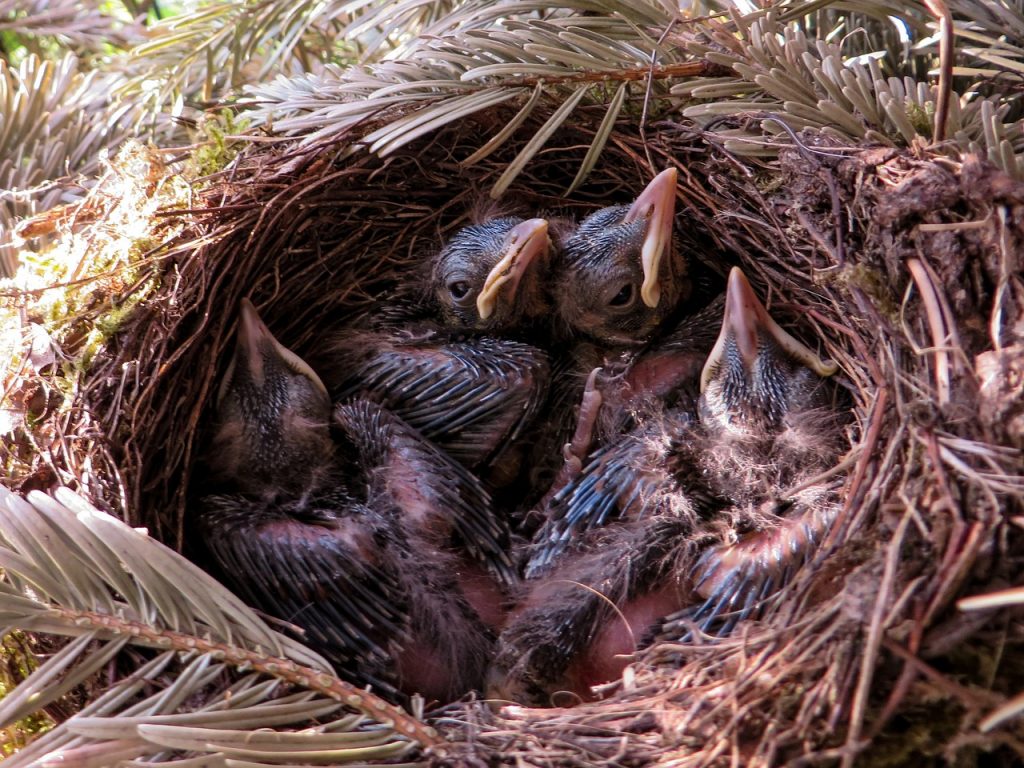
Where it builds nests
Few know where the magpie thief has the habit of making its nests. Generally, this bird tends to nest in rural areas, in woods, parks, or in any case where there is very rich vegetation. The magpie also builds its nests in trees, where it creates dome-shaped constructions of a certain size and weight.
In fact, the diameter of these voluminous nests inside can be as much as 20 cm and can weigh up to three kilos. To take care of the construction of the nest are the magpies in pairs, who create a perfect home: with the small branches they make a cup and then a dome above by intertwining the branches with a lot of patience.
The intertwined twigs are worked with mud and the cup is then covered inside with blades of grass to make it more welcoming and soft. As you can see, the nests made in the trees are difficult to see and no one goes to check, so even walking among the trees we can not notice that above us there are their nests!


