
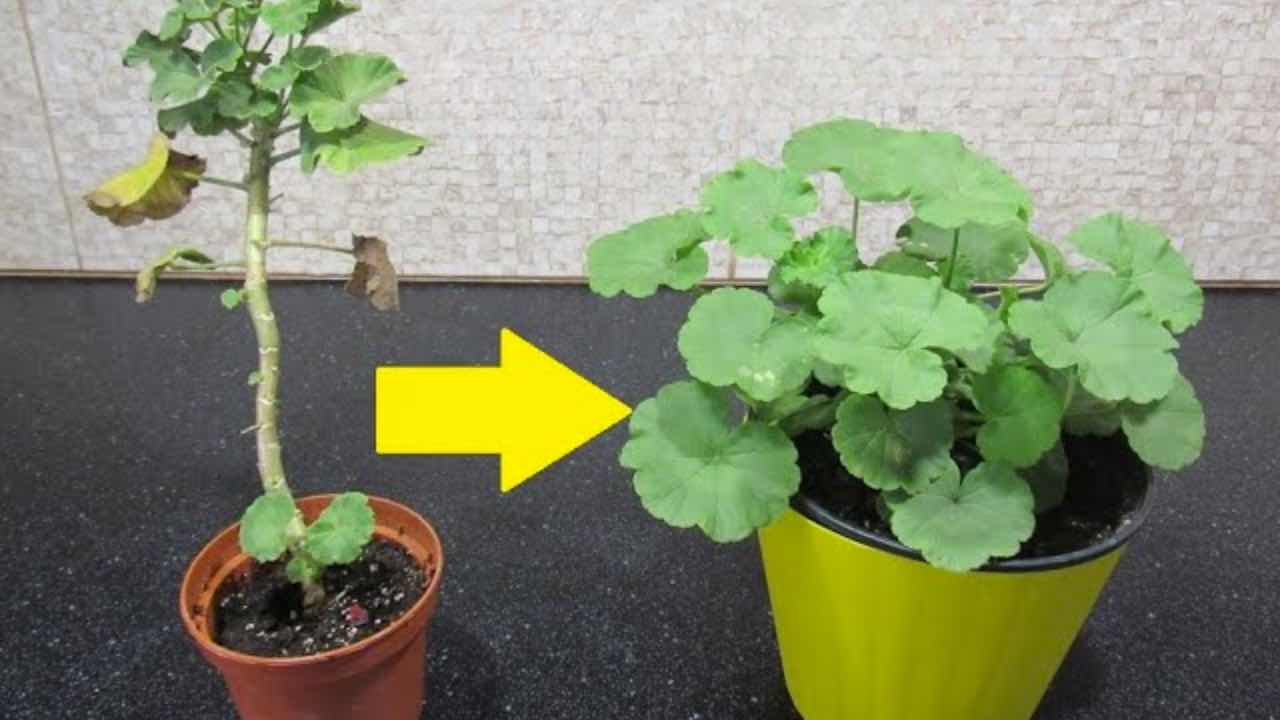
Pelargonium, a brightly colored plant with an intoxicating scent, is one of the most popular flowers for decorating balconies and gardens. With its sparkling petals tinged with red, pink, purple or white, the pelargonium is an explosion of beauty that attracts everyone’s attention. But do you know how to best take care of it? And above all, have you ever thought about multiplying it to create a pelargonium in a bush? Here’s how to do it.
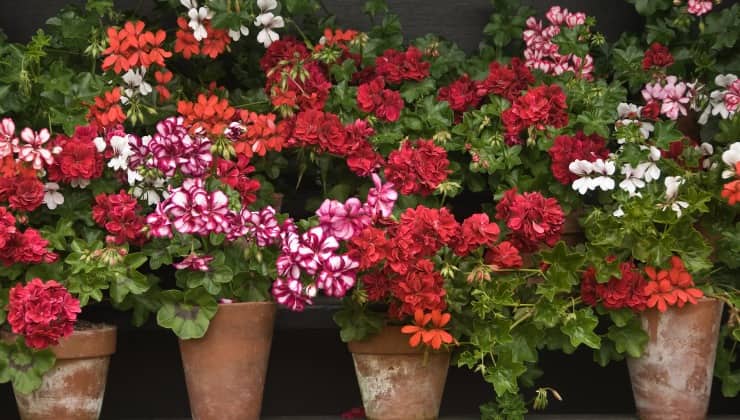
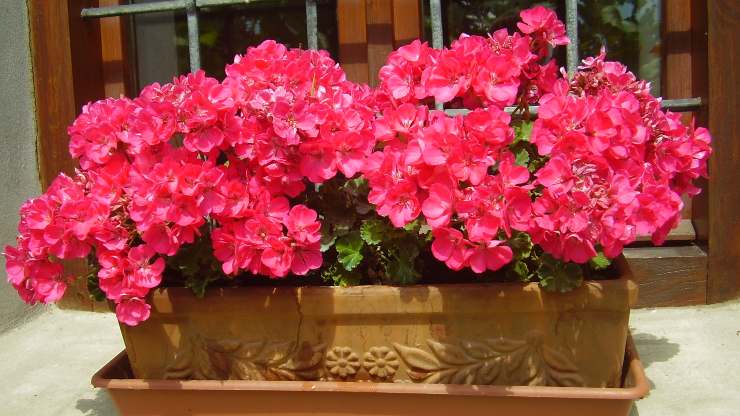
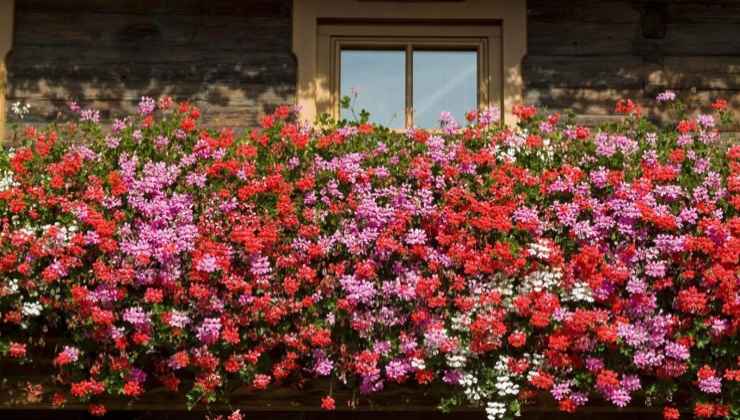
Pelargonium, also known as geranium, is an ornamental plant that conquers with its beauty and versatility. Native to southern Africa, the pelargonium has spread around the world due to its incredible ability to adapt to different climates and environments. This plant has dense foliage and brightly colored flowers that make any space more cheerful and welcoming. It is perfect for embellishing balconies, terraces or gardens with a touch of color and elegance.
But what exactly is pelargonium? It is a plant belonging to the Geraniaceae family, characterized by fleshy leaves and flowers grouped in showy inflorescences. There are different varieties of pelargonium, each with its own aesthetic peculiarities and cultivation requirements.
One of the main reasons for the success of pelargonium is its ease of growth and care. This plant does not require special attention and is resistant to common garden flower diseases. However, there are some basic indications to ensure proper cultivation of the pelargonium.
To keep your pelargonium healthy, be sure to place it in a sunny spot but protected from direct wind. Water the plant regularly, avoiding stagnant water in the saucer. In addition, it is important to fertilize the pelargonium during the flowering season. But let’s find out how to make any pelargonium become a bush.
How to care for a pelargonium
Pelargonium is a much-loved plant for its beauty and resistance. However, like all plants, it requires proper care to thrive. Here are some tips on how to care for a pelargonium.
First, it’s important to choose the right soil for your pelargonium. This plant prefers well-drained and nutrient-rich soils. Make sure that the pot or flower bed in which you grow it has good drainage and use a potting soil that is specifically designed for flowering plants.
Another key thing is proper watering of the pelargonium. Avoid watering it too often, as it does not tolerate overwatering. Wait for the soil to dry out slightly before watering again. Then make sure to place your pelargonium in a sunny place. These plants love direct sunlight and need it to thrive and produce abundant blooms.
Don’t forget about regular pruning of your pelargonium as well. Remove wilted flowers as they arise and prune any dry or damaged parts of the plant to stimulate healthy new growth.
By following these simple steps, you can ensure a long life for your beloved pelargonium on the balcony or in the garden. And take care of him carefully, avoiding small mistakes that can compromise his growth. And in addition to the main care, let’s find out how to turn any pelargonium into a bush.
The main techniques to transform any pelargonium
The main techniques for multiplying a pelargonium can be very useful to have more plants of this beautiful floral variety, and make it become a beautiful bush. There are several methods you can use, depending on your preferences and available resources.
One of the most common techniques is cutting. To do this, simply cut off a portion of the stem of a healthy and strong plant, making sure to include a few leaves in the section taken. Then, the cutting is placed in a pot with fresh, well-drained potting soil, keeping the soil slightly moist until the roots begin to appear.
Another effective technique is that of grafting. This method requires more skill and attention because it consists of combining two different plants, taking the shoot or the upper part of a desired plant (the rootstock) and grafting it onto the trunk or base of another plant (the graft). It is important that the two parts fit together perfectly so that the graft can adhere properly. And the result that will come out will be truly amazing, in fact for this technique, it is also possible to use two geranium branches of different colors.
Finally, there is also the possibility of propagating pelargoniums through the division of the tufts. This method can be done in the spring or early summer when the plants are still young and vigorous. Simply gently separate the tufts from the mother plant with the help of a sharp knife or a clean pair of scissors, and bury them in another pot. Remember to always use a compost suitable for this type of plant, and to make a draining layer at the bottom of the pot.
Five minutes, pelargonium in a bush
Five minutes can be the difference between a simple pelargonium and a wonderful bush of colorful flowers. If you have a pelargonium on your balcony or in the garden and want to turn it into a real attraction, then follow these simple steps to multiply it quickly.
The main technique for obtaining more pelargonium plants is taleggio. Take a healthy plant with well-developed branches and cut off some of its side twigs. Make sure each branch has at least 3-4 nodes, as this is where the new roots will grow from.
Then we take our cut twigs and gently remove all the leaves from the bottom half of the branch. This will ensure that all of the plant’s energy goes into root growth instead of nourishing the leaves. Now we fill a small pot with moist potting soil and make a hole in the middle to insert our twig without damaging the top nodes. We cover the bottom of the stem well with soil and apply light pressure around it to stabilize it. Do not compress the soil too much, otherwise the roots will suffocate.
Finally, we put our new plant in full sunlight but avoiding direct exposure to intense rays during the hottest hours of the day. Being fragile, and the sun too strong, you risk making it burn completely. Then keep it constantly hydrated by vaporizing water on the top of the plant, this should be done when it is placed in the shade and the internal soil does not have a high temperature.
Now that you’ve mastered this simple technique, all you have to do is turn the pelargonium into a bush.


