
Even the best motorists can get confused about the right of way. But let’s see what it is.
The right of way can generate a lot of confusion, even for the most experienced. The road has its own traffic code, which must be respected by everyone to avoid accidents.
Often at an intersection, you notice motorists who do not know what to do, and who should have the right of way. A good review of the road rules, including right of way, can be really useful for everyone. To know everything about the rules of road precedence, I suggest you read below.
Right of way and driving licence test
When driving, it is very important to always keep the rules of the automotive code in mind. After many years, driving becomes routine for many, but it can happen in traffic conditions that they no longer know how to handle the issue of the right of way.
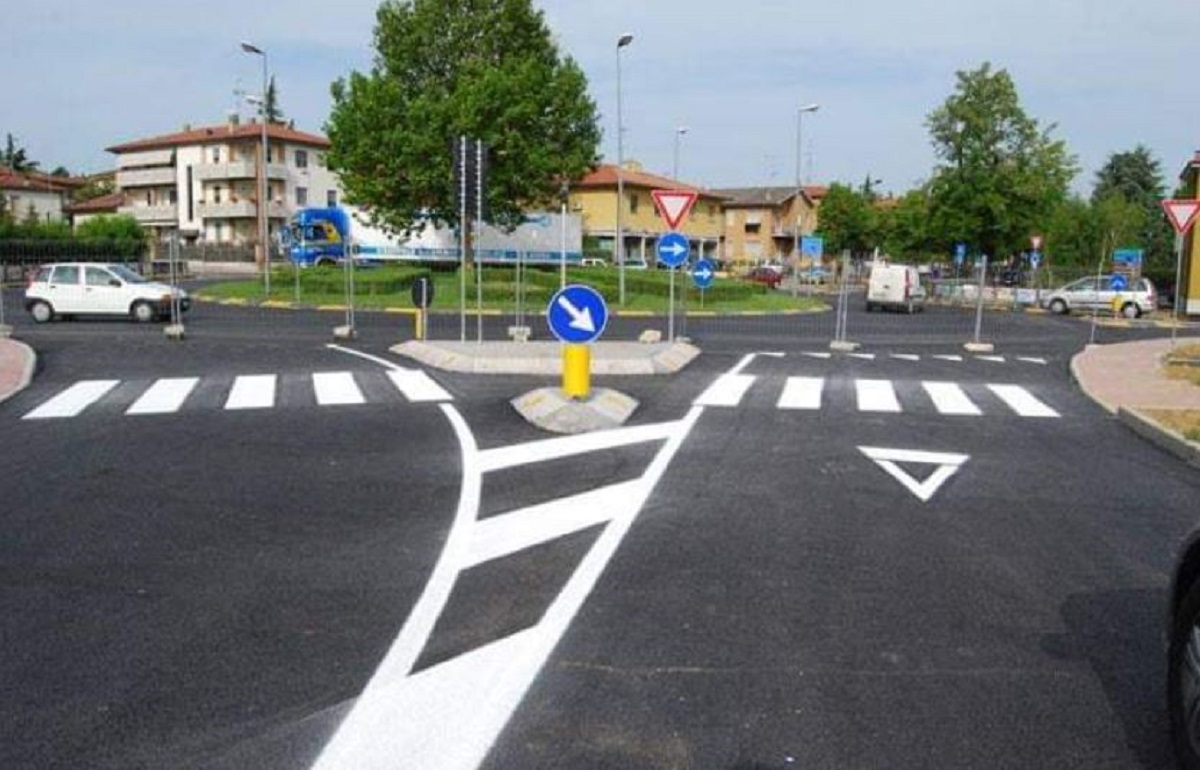
There are various signs and priority signs, which all motorists know or should be familiar with. There are 14 signs of various shapes indicating the right of way. The sign known as “stop” indicates that you must stop and give way on the road. On a road with an upside-down triangle sign, the give way sign indicates that you must give way to all vehicles, both those coming from the left and the right.
Giving way at a T-junction
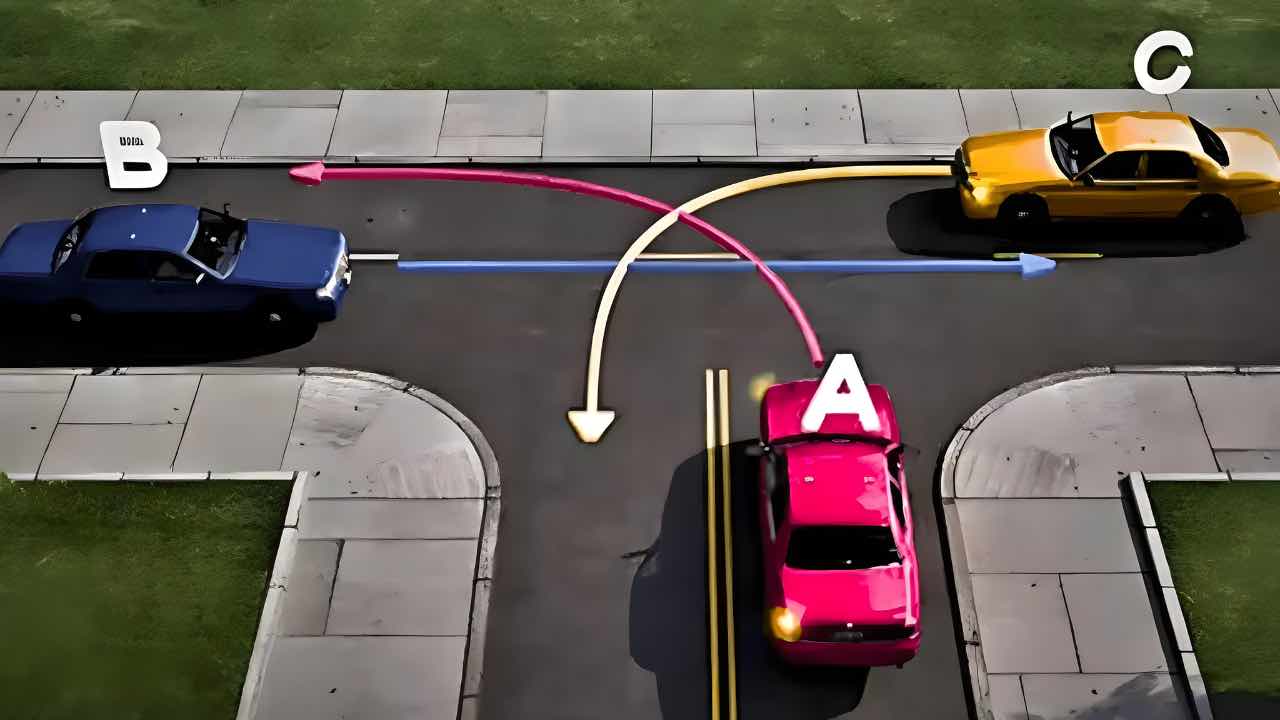
In a T-junction situation, it is important to know how the right of way works. In practice, approaching this intersection, it is important to know that in a traffic condition, if there are three vehicles, the right of way must be given to the vehicle that must not turn.
Therefore, the vehicles that have to turn right and left respectively, must let the car pass and continue straight. After the car that must continue straight ahead, the one that must then turn left must pass by priority, and then the one that must turn right.
The right of way on the road in this situation belongs to the car that must continue straight, only after the others can turn. According to the rules of the road, if there are no signs indicating otherwise, the car that must turn right is the one that can pass last in the T-shaped intersection. It must be said that for those who do not respect the code of the right of way, art. 145 of the highway code, there is a fine of up to six hundred euros, 5 points deducted from the license and the suspension of the license up to a maximum of three months.
Giving way at a four-way intersection
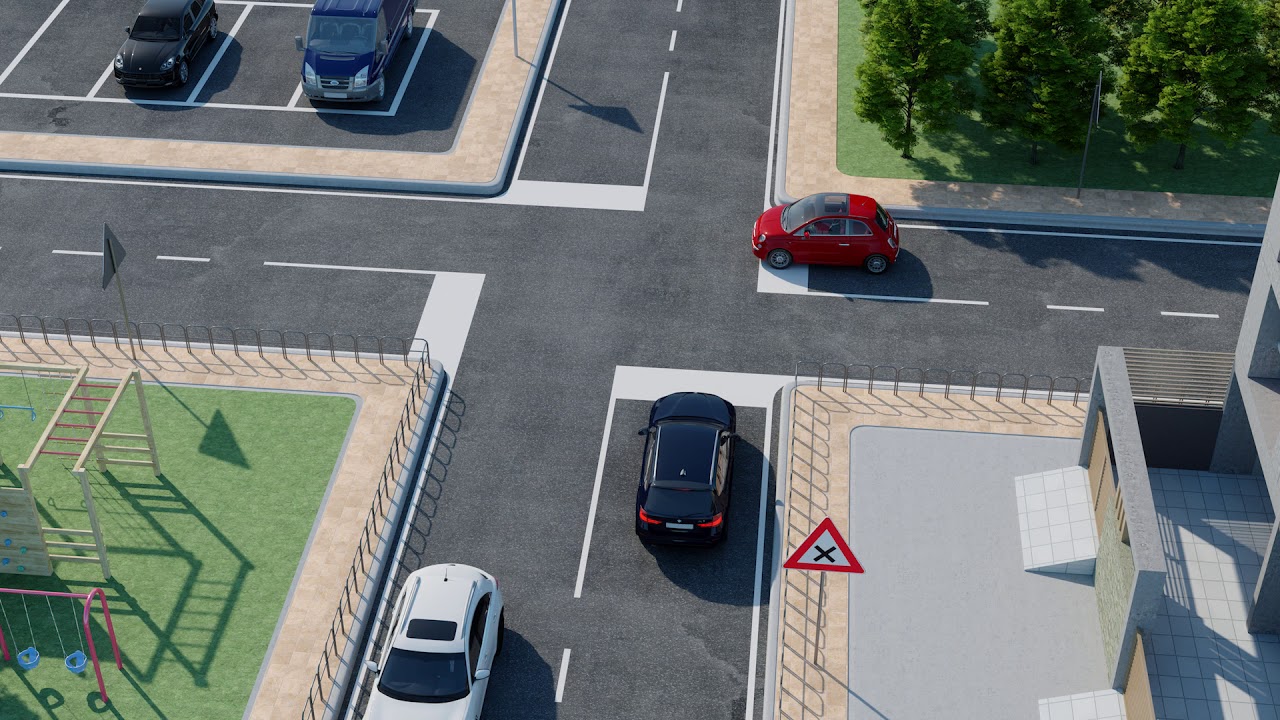
At a four-way intersection, there is a precise order to pass. In practice, in the absence of special signals, priority is given to vehicles coming from the upper right. In the case of rail, emergency or train vehicles, priority is given to them.
In the case of a four-way intersection, if there are 4 vehicles that have to continue, the priority to pass first belongs to the car or other means of transport that must go straight. After the vehicle that must continue straight on the road has passed, the other vehicle that arrived first must pass.
The vehicle that has to turn left must give way to other vehicles at the intersection. Therefore, vehicles that have to go on the left side have the obligation to give way to all others that arrive at the intersection first. It should be noted that, in the case of vehicles flashing blue or equipped with a siren, which carry out an emergency service, priority always belongs to them.


