
There is a method to have an endless supply of parsley at home.
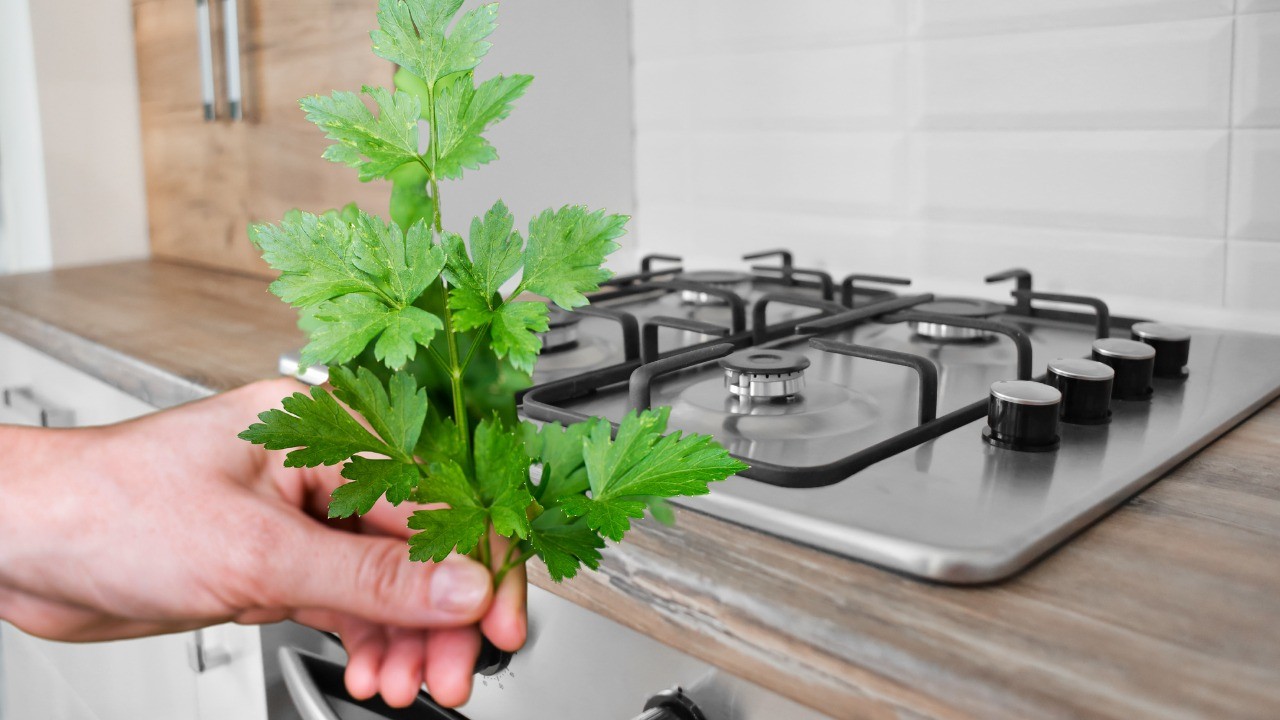
Parsley is certainly one of the aromatic herbs can be used and known in the kitchen. Aromatic plants certainly cannot be missing in the home, because they are essential for the preparation of various dishes. To always have this plant available, there is a system known as the twig method.
To implement the simple method of the twig, to multiply it, I recommend that you read what is reported.
Properties of parsley
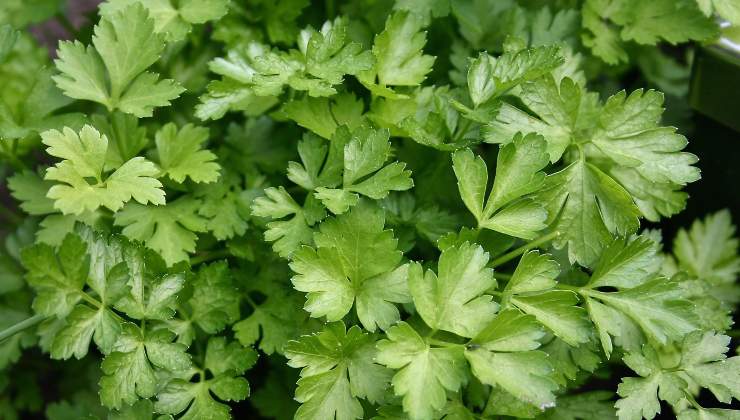
Petroselinum cruispum, known as parsley, grows throughout the territory with a mild climate. This biennial plant, very common throughout the Mediterranean area, has a pungent and bitter taste. There are two types, curly-leaved and broad-leafed. The two types are also distinguished by the different flavor, since the curly one is sweeter.
Belonging to the Apiaceae family, it is a plant that has been cultivated for medicinal, decorative and culinary use for centuries. Parsley is rich in beneficial virtues, since its leaves are rich in vitamins, minerals, beta-carotene and flavonoids. In particular, being rich in vitamin C, it has an excellent antioxidant and immune system support action.
Parsley helps cleanse the body, regulate blood pressure and stimulate digestion. It is an excellent natural anti-inflammatory, very useful for counteracting water retention and anemia. It is also a valid natural remedy against insect bites. Finally, parsley seeds, reduced to powder, are an excellent remedy to strengthen the scalp.
How to grow it
The best way to plant parsley in pots is to take a large pot, since its roots develop deeply. It is a plant that grows well in temperate climates and prefers sunny areas.
To plant this aromatic, just scatter seeds in a pot and get the first leaves after about a month. The seeds are evenly distributed and then covered with soil, which must be kept moist until germination.
Regarding its irrigation, it must be said that the ideal method is the sprinkler method. It is better to water every day in small doses, so as not to ruin the plant. In addition, every few months, any pests must be removed.
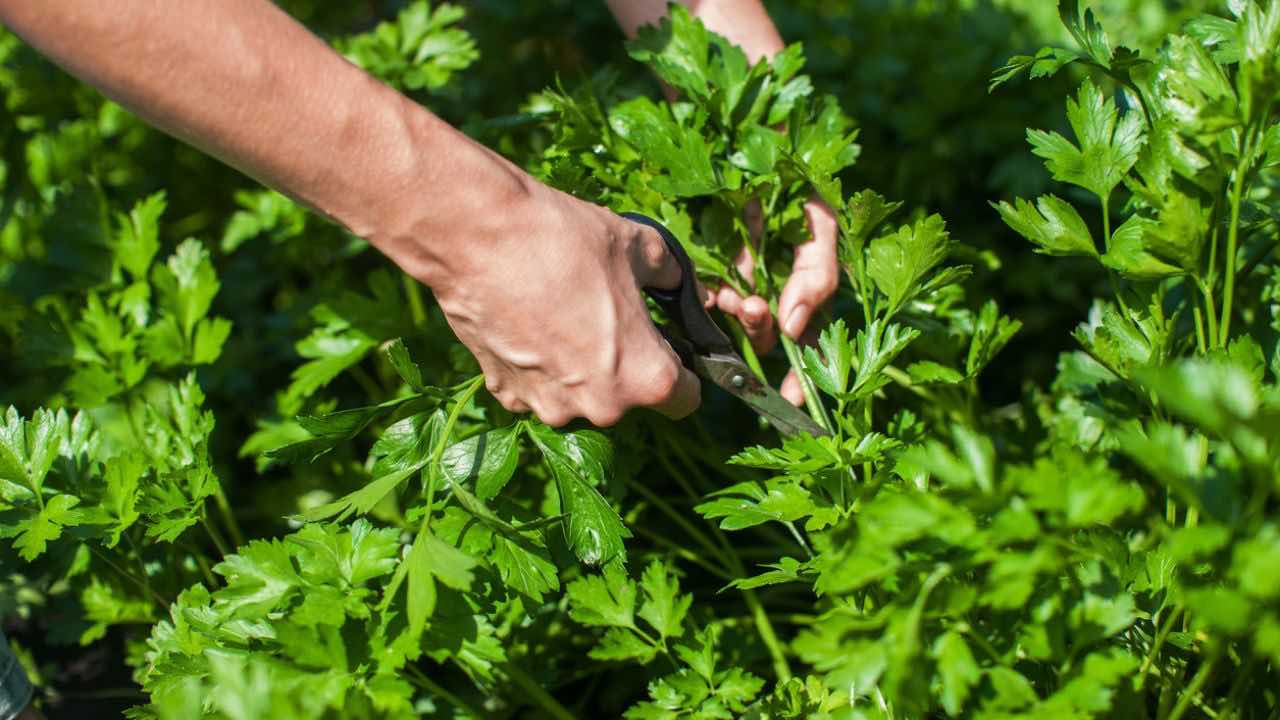
Parsley leaves can be harvested as early as about seventy days after sowing. The leaves, if chewed after meals, help to have a fresh and fragrant breath. To preserve the leaves, just dry the leaves and place them in airtight containers.
Sprig method to multiply parsley
The cutting method is the ideal one to always have excellent fresh parsley at home. The first thing to do to multiply it is to choose a sprig of parsley of about four centimeters with a nice tuft of green leaves.
After that, all the parsley leaves placed at the base of the sprig must be removed. The twig is then placed in a container full of water or buried in a mix of sand and peat. The small twig should then be left in a well-lit place but not in direct sunlight.
The ideal temperature for parsley to root and multiply is spring or late summer, when temperatures are around twenty degrees. Within a few weeks, roots will begin to sprout from the small twig. Only when the roots are strong enough, it is possible to plant the pint wing in the ground or in pots.
The small parsley seedling, to grow healthy and long-lived, simply needs a well-drained soil, based on peat and clay, being careful of harmful waterlogging. The soil should always be kept moist, so it is important to water the plant every day.


