
Delicious and nutritious, eggs are always present in our homes. They come in many forms in the kitchen and delight our palates on every occasion. However, one question intrigues us: in the supermarket, what type of eggs do you buy, brown or white? And do you know exactly the differences? Because yes, although the visual result is usually the same on the plate, these two types of eggs are distinguished by their origin and their organoleptic properties. What exactly is changing? We explain it to you.
What is the difference between white eggs and brown eggs?
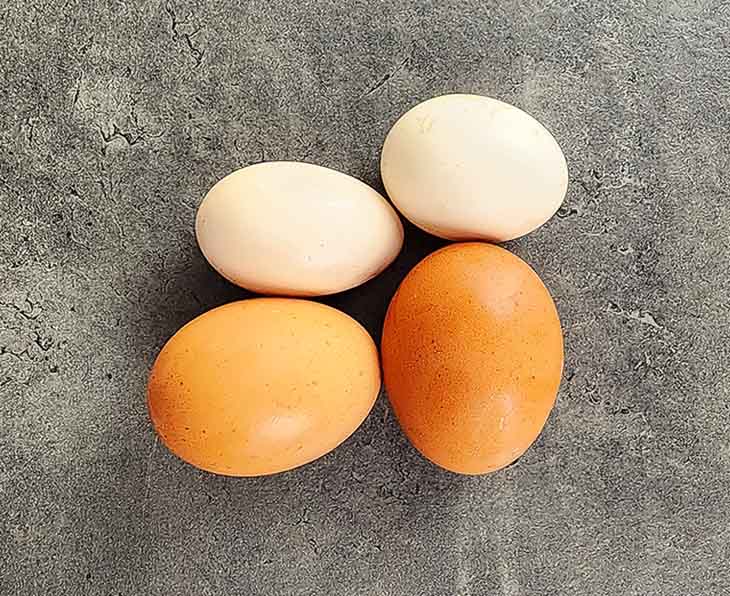
Scrambled eggs, fried eggs, hard-boiled eggs, deep-fried eggs, poached eggs… there is no shortage of choice to boost your meals and stock up on protein. But if this food always has a place of choice at home, we are curious to know what your preference is. Normally, at your local supermarket, do you stock up on brown or white eggs? The former are usually more expensive than the latter. But are they of better quality? Finally, what exactly differentiates them? In fact, the colour of eggshells is determined solely by the breed of hen that lays them. Thus, most white eggs are laid by hens with white feathers and white earlobes, while brown eggs are usually laid by hens with brown feathers and red earlobes, although there are some exceptions.
Why are eggs white?
“White-shelled” eggs are produced exclusively by chickens of different breeds. And, in fact, the color is a completely natural consequence of the genetic heritage of the breed. These eggs are especially suitable for preparing creams, baked desserts and fresh pasta. These are the most popular chicken breeds:
Livorno
This is an Italian breed that tolerates heat well due to its slender body, light coloring and large crest. These hens lay approximately 280 white eggs (large or extra large) per year each.
Ancona
Spread throughout the world, this breed of chicken is appreciated for its gentle nature and good temperament. Its lucky owners can expect around 220 medium-sized white eggs per year.
Hamburg
The main advantage of raising a chicken of this breed is the regular number of eggs it produces. It can lay up to 200 medium-sized eggs per year (each egg weighs approximately 60 g).
Frequently Asked Questions
Why are brown eggs more expensive?
It’s just stupid, the hens with brown plumage needed more food than the hens with white plumage. In addition, the hens with brown plumage laid fewer eggs. To offset the costs, the brown eggs were sold at a higher price.
Are brown eggs better for your health?
Important point: the addition of nutrients has no impact on the egg itself. In other words, there is no particular nutritional benefit to health.
Is there a difference in taste between white eggs and brown eggs?
The same goes for taste: you won’t notice any special difference in taste whether you eat white or brown eggs. On the other hand, the distinction can be noticeable depending on the chickens’ diet. Often, after buying fresh eggs, if you look closely, the yolk has a darker orange tint and the taste may seem more intense. This is only related to the chickens’ diet and not to the color of the shell. But overall, the eggs still taste the same. And the longer brown eggs remain popular with consumers, the more the market will continue to demand them.


