
Right after corn, rice is the most widely cultivated cereal and certainly one of the most popular in the world. What we love about this starchy, tasty and filling food is that we can use it in so many ways in our cooking. What we don’t like is for it to stick to the pan! And we are often frustrated by its improbable texture, sometimes rough, sometimes mushy… It’s difficult to get it cooked just right.
Need a little help? With our tips and tricks you will become a true professional in this field. Your rice will be cooked to perfection and no grains will stick to your utensils. Put on your apron quickly!
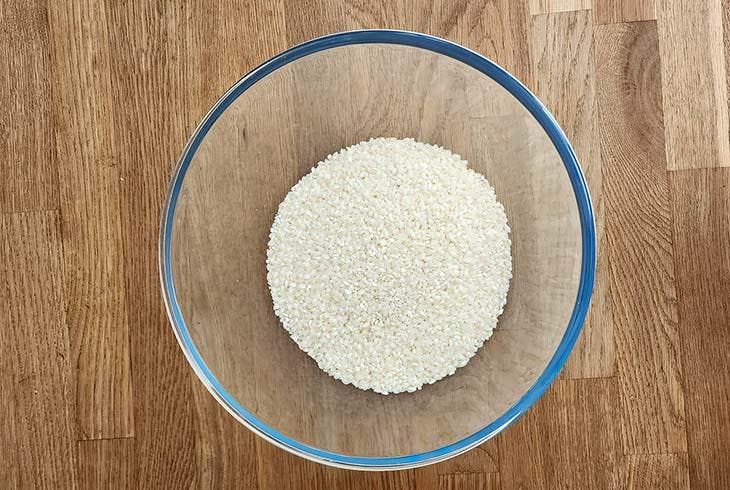
Why does rice become sticky?
Did you know that rice contains two types of starch: amylose and amylopectin? The amount of each of them is different depending on the type of rice cooked and it is also what will determine its texture once cooked, whether it is soft, creamy or sticky. While rice is cooking, a whole process takes place: when heat and liquid penetrate the grains, the starch molecules inside are broken down. As the liquid is absorbed, each starch will perform a specific task. Simply put, if your rice is soft, sticky and lumpy, it means that the starch covered the grains before cooking or that you put more water than necessary in the pot. Which happens often, admittedly. But don’t worry, we are going to give you the foolproof technique so that you don’t make any more mistakes and you can steam your rice like a chef!
How to cook rice perfectly?
If you want to impress your guests and prepare impeccable cooking, so that the rice has a succulent texture, follow our steps to the letter!
- First, an important rule to follow: soak the rice in water for about an hour before cooking it. And make sure to add enough water.
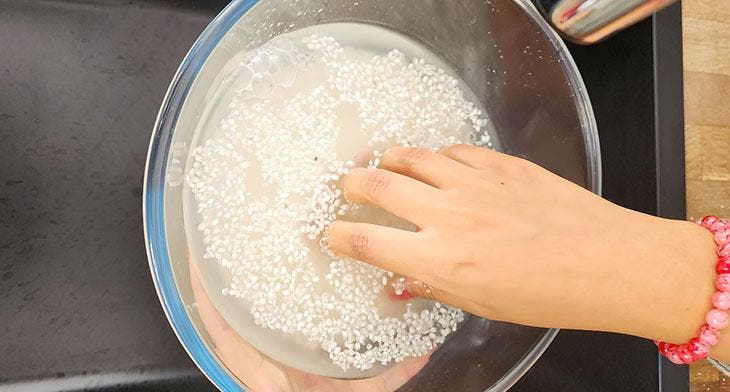
- Because of the starch, the water will have a cloudy appearance, this is normal, do not worry. Precisely, you should throw this water into the sink and carefully rinse the rice grains until they are completely light.
- It’s time to cook: the common mistake is to boil rice in a pot full of water. Very bad calculation! The dosage is important: to cook it successfully, the proportions must be right. Keep in mind that you should use two parts water for one part rice.
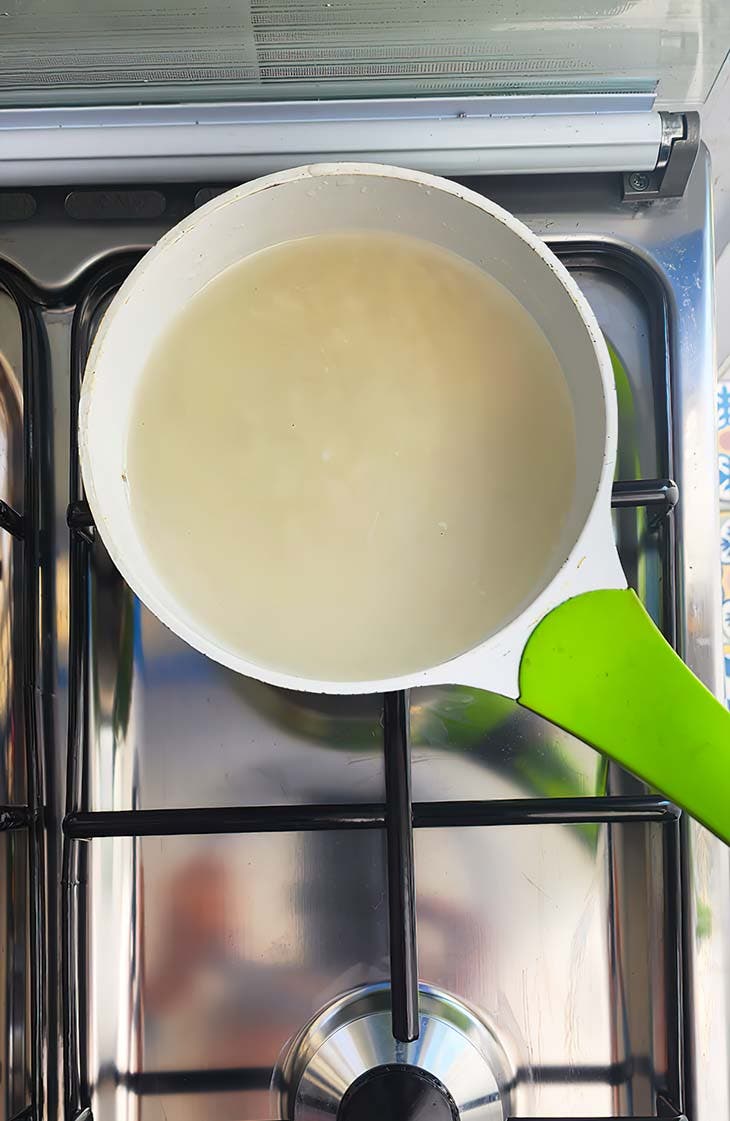
- If you carefully follow this correct dosage, you will see that the rice is neither hard nor soft after cooking. As an added benefit, the grains do not stick together.
Note: It should be noted that this cooking method is valid for both white and brown rice. Moreover, between us, the latter is much healthier and less caloric! If you follow these steps carefully, you will delight your palate with a delicately soft, fragrant and tasty rice.
Preparing rice: 6 tips to avoid making it too sticky or glutinous
One of the greatest qualities of any good cook is knowing how to prepare rice with great flavour and an incomparable fluffy texture. We see you coming with your little smile. Ok, maybe you are not a true cordon bleu, but rice is still the base. So no, it is not a question of missing your kitchen! And to make it easier, here are some tips to prevent it from sticking to the pan.
Measure the rice
Knowing how to measure the quantities of rice and water seems like child’s play! But this is far from the case! In fact, the dosage is the golden rule for cooking rice perfectly. For example, to cook brown rice you need much more water than white rice… But as a general rule: to cook 1 part of rice, you need 2 parts of water.
Rinse the rice
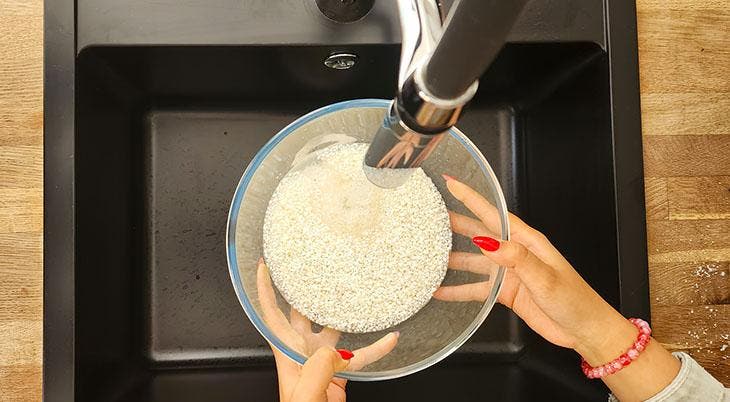
Rinsing rice before cooking removes excess starch that sticks to the outside. Following these instructions will prevent it from sticking together and becoming sticky during cooking.
Add a little olive oil
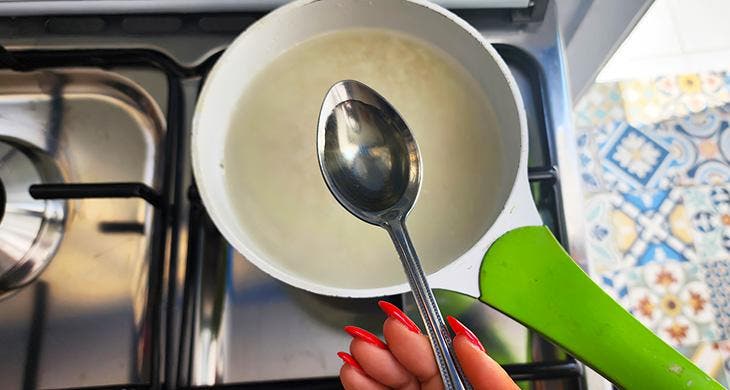
A tried and tested option: pour a few tablespoons of olive oil into the pot of water. This is the perfect trick to prevent the rice from sticking to the bottom. And, as icing on the cake, the oil also greatly enriches the flavour of your recipe. Be careful, as soon as the boiling process begins, immediately add the previously washed rice.
Be careful with the cooking time!
Oh no, it’s not a coincidence! Some people tend to trust their intuition, others believe that al dente rice is better. But, again, there is a rule to respect. It takes between 20 and 25 minutes for ideal cooking. That said, it is essential to check the state of the rice frequently, as each type requires different cooking. Ideally, read the instructions on the back of the box to avoid making mistakes. Know, for example, that brown rice takes twice as long to cook.
Pour the lemon juice into the pan.
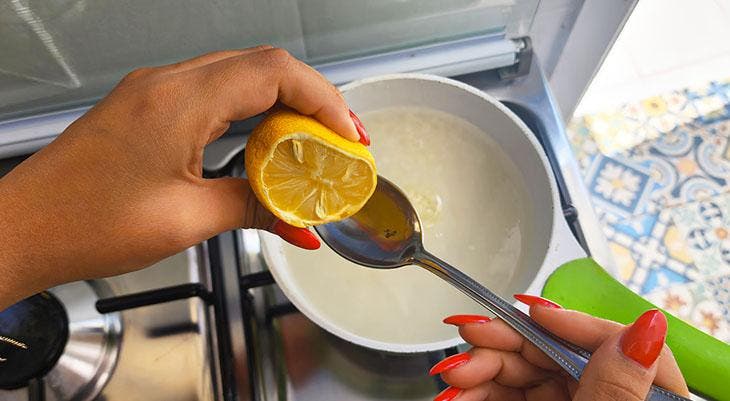
What does lemon have to do with this? But yes, it is another good tip, little known of course, but very useful. Thanks to the citric acid contained in this citrus fruit, you will also prevent the rice from sticking to the bottom of the pan. All you need to do is add the juice of a freshly squeezed lemon even before boiling. Then, dip the pre-washed rice in. The lemon will have the same effect as olive oil: no more lumps of pasty grains that refuse to come off!
Place a cloth under the lid.
This method is only useful during the final stages of cooking the rice. The idea is actually to cover the pot with a clean towel, just under the lid to catch the condensation, which tends to fall on the rice.


