
Cleaning the joints and tiles of the shower or bathtub, the sink and so on, is not child’s play and is among other things one of the most hated tasks by housewives all over the world because it requires a lot of time and stress combined with the use of products that are bad for health and that in the long run can also ruin the tiles themselves.
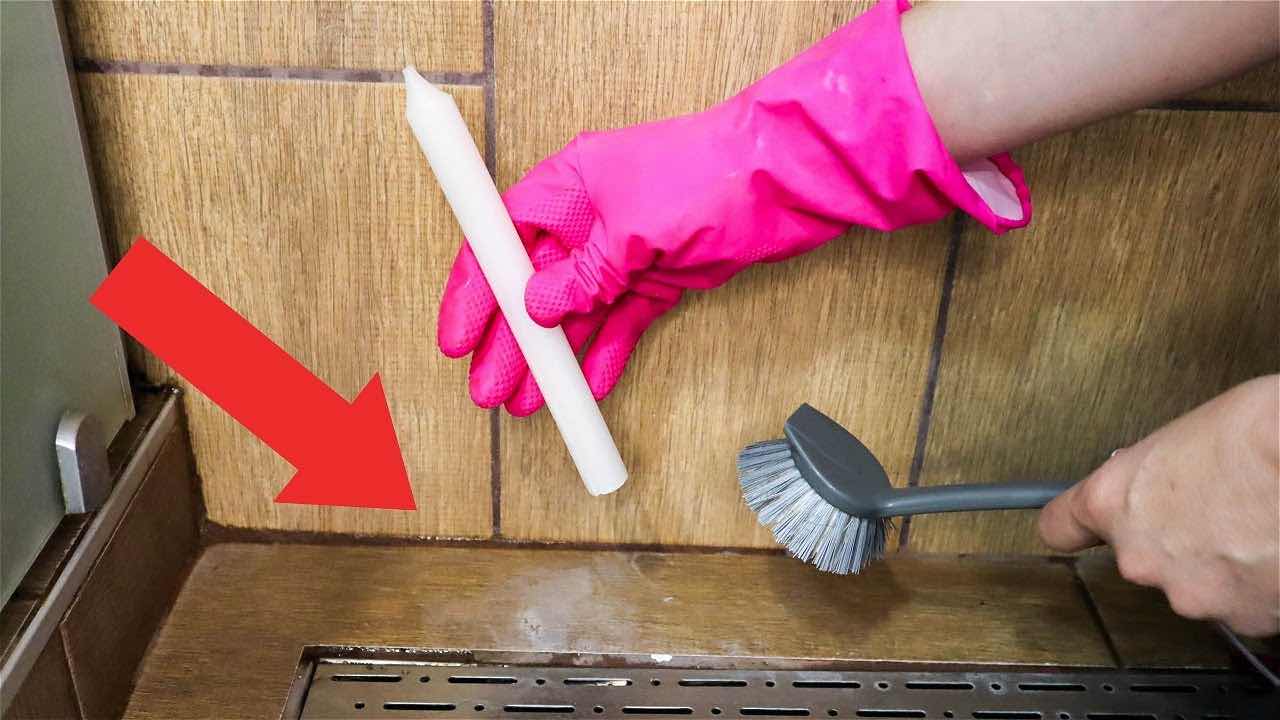
Yet you have to organize yourself and devote yourself totally to cleaning joints and tiles at least once a week because that’s where the dust is deposited, whichthen doesn’t go away with a normal tea towel, a rough sponge or something else.
The dirt that lurks in the sections of the joints and tiles ends up turning into mold that is impossible to remove even using bleach. No matter how much a bathroom has been renovated or has just been furnished, it doesn’t take much to give the feeling of dirty and old.
Why risk all this if you can simply take care of it properly and keep it perfect in everything?
How to clean joints and tiles without too much difficulty
Rather than using aggressive products,it is preferable to use home-prepared solutions with cheap ingredients that we already have in the kitchen pantry because they are often useful both for cooking and for cleaning pots and dishes.
These ingredients are great because they not only whiten the tiles, but also eliminate caked-on dirt that settles in the joints preventing mold from forming. What is needed is a coffee cup that is used to measure the quantities of ingredients, obviously the miraculous products and a container as high as a carafe in which to prepare the magic solution.
Preparation of the vinegar and baking soda solution
Take the coffee cup and fill it with baking soda, to which you then add a cup of 9% vinegar. As soon as it is poured, it happens that the two ingredients together react to form a fantastic foam, it is precisely the one that removes dirt and mold from the joints and tiles. Be careful to pour gently, slowly, to prevent the solution from leaking out of the container.
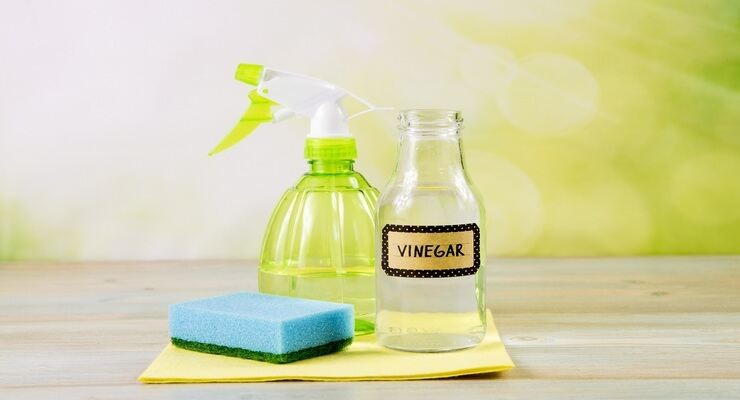
Once vinegar and baking soda have been combined, half a glass of dish soap is also poured in and stirred once again, to ensure that the ingredients blend well. Finally, add less than a tablespoon of fine sea salt, because it dissolves better, shakes or otherwise stirs and the solution is ready.
How to clean joints and tiles with the homemade miracle solution
Once done, spray in the areas affected by the appearance of dirt and encrustations and scratch the dirt with an old used toothbrush and a rough sponge or better a suitable brush. After thoroughly washing the surface, focusing in particular on the joints and tiles as well as on the steel parts, you can see how to put joints and tiles will be practically as good as new.
All without wasting time, without breathing in strong and dangerous smells for health, without ruining the tiles and finally without spending money unnecessarily.
Vinegar and baking soda to disinfect surfaces and remove limescale
Many also indicate vinegar and baking soda to unclog drains because in fact when they are combined they can even free the pipes from traffic jams, even removing limestone residuesthat easily form in the sink, shower and so on.
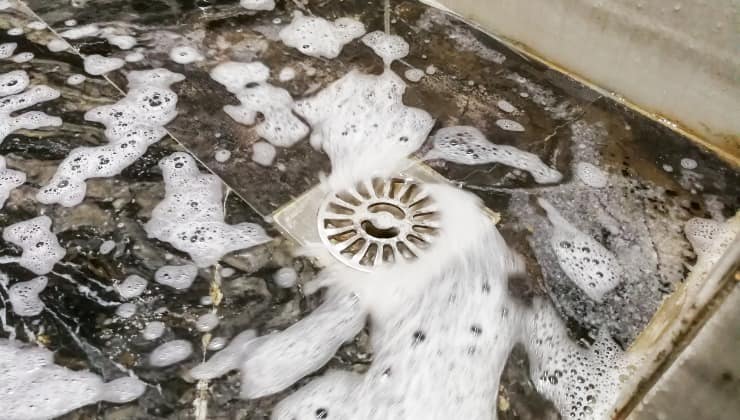
They are suitable for cleaning steel taps, as well as for limescale deposits in the shower. To use them well and get good results, just mix them together using a little water and then apply them directly to the affected areas for a few minutes. Finally, wipe using a damp cloth.
To conclude, they can be used as a disinfectant, since in this period the disinfectant goes away like water, it can be useful to know the recipe to prepare a fantastic one directly at home. Water, vinegar and baking soda are combined.
Then mix 2 tablespoons of baking soda and 60 ml of white vinegar, add 500 ml of water. Once the effervescent reaction has passed, the liquid is used to scrub the surfaces to be disinfected. To conclude, rinse and that’s it. The finishing touch? Take a classic white candle and pass it gradually over the joints: a great method to counteract the formation of limescale and make sure that they do not blacken further.


