
The plumbers secret that saves a lot of money. Simple, fast and cheap, that’s what it is.
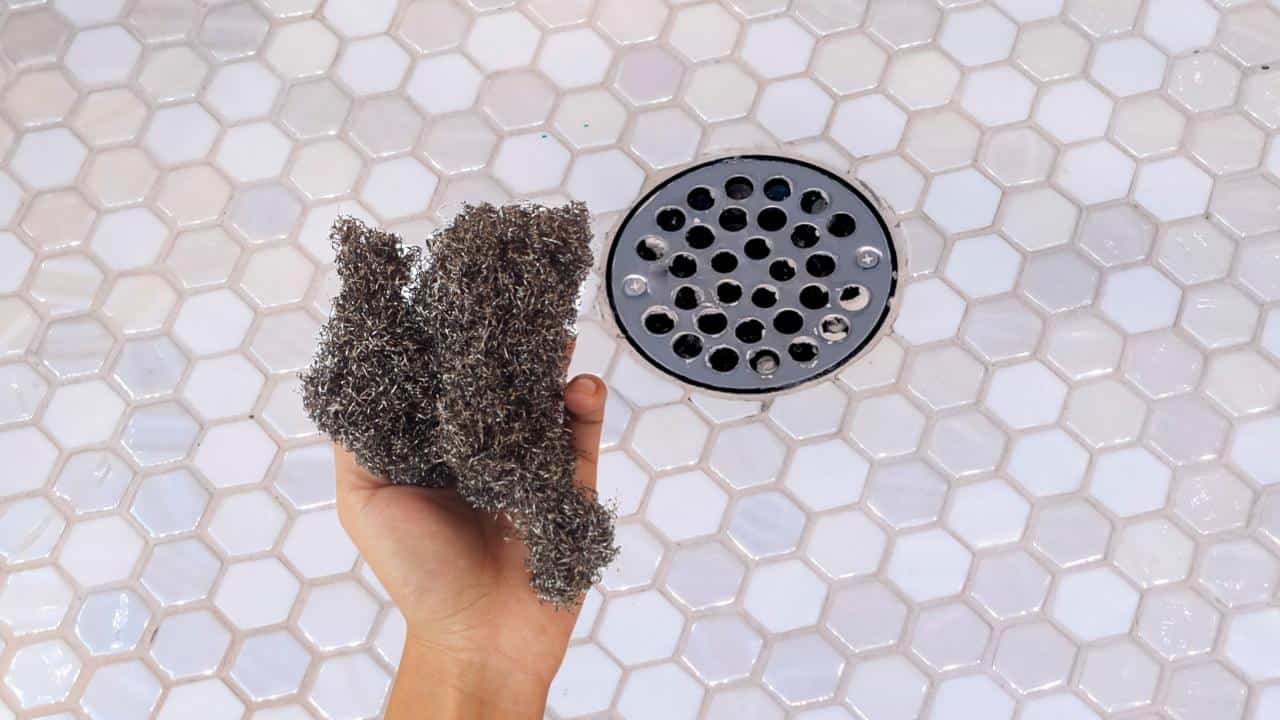
When it comes to cleaning and especially home maintenance, there are many solutions that can be implemented independently, thus avoiding spending money by calling plumbers. In particular, taking care of the drains and routine maintenance allows you to avoid spending money on clogging problems. Let’s see how to independently prevent a problem.
Drain care
Taking care of the bathroom drains is essential to maintain the correct functioning of the plumbing system and prevent very serious problems, such as blocked pipes, or even unpleasant odors and the leakage of dirty water. To take care of the drains, it is undoubtedly necessary to proceed with regular cleaning .
It is important to clean the sink, bathtub and shower regularly to prevent the accumulation of soap scum , hair and other debris that can clog the pipes. You can use specific products for cleaning drains, easily found in supermarkets. Another factor that is often overlooked is the correct use of drains . It is important to avoid throwing substances into the sink, bathtub and shower that could clog the pipes, such as sludge, hair, residues that do not dissolve in water and solid objects.
Also, avoid using too many harsh chemicals like bleach, limescale remover, and other similar products that can damage the pipes and cause corrosion. There are many natural remedies for cleaning and maintaining bathroom drains , such as using white vinegar, baking soda, and boiling water. These products are gentle and will not damage the pipes, but are still effective in removing any blockages.
It is also essential to use a drain cover or strainer to prevent the accumulation of hair and other debris . These devices are inexpensive and can be easily removed for cleaning. In this article, we will see how to make a homemade strainer, which can save you a lot of money.
The Plumbers Secret to Keeping Drains in Good Condition
A drain filter is undoubtedly an excellent solution to prevent unsuitable materials from ending up in the pipes. In addition to the classic grid, found for example in the shower, it is possible to use an internal filter, as the grid itself lets through a lot of residues or even hair and fur.
For a DIY filter you will need 2 products: a steel sponge, the silver ones used to clean pots, and a string .
Cut the sponge so that it fits well into the drain but without blocking it. The ideal is to obtain a slightly elongated shape that has some points that protrude more towards the sides.
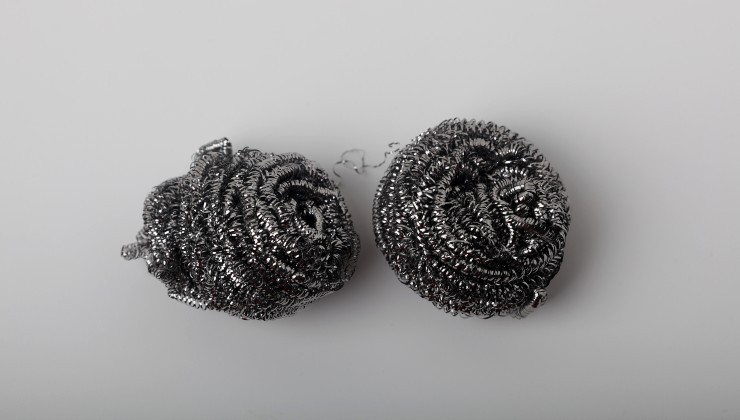
Then tie the sponge with a string so that it is well secured and does not slip into the pipes . The other end of the string will be secured to the shower grates. Pay close attention to three things in particular, that the sponge does not block the drain by causing water to rise, that it is well tied and that it is large enough to act as a filter.
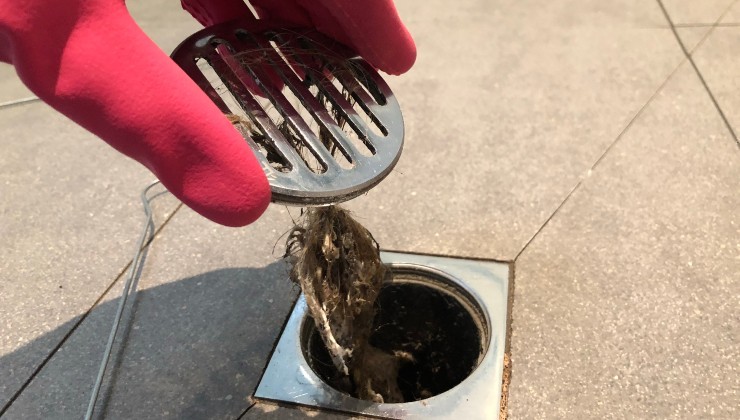
This way, every time you lift the grate that covers the shower drain, you will also take the sponge tied to the string with you and you will be able to remove all the residues that would have ended up in the pipes, risking clogging them. By doing so, you will preserve the drains longer and you will not have to resort to plumbing interventions too often.


