
Stubborn limescale stains in the toilet? Here is a method to clean it perfectly and make it naturally shiny.
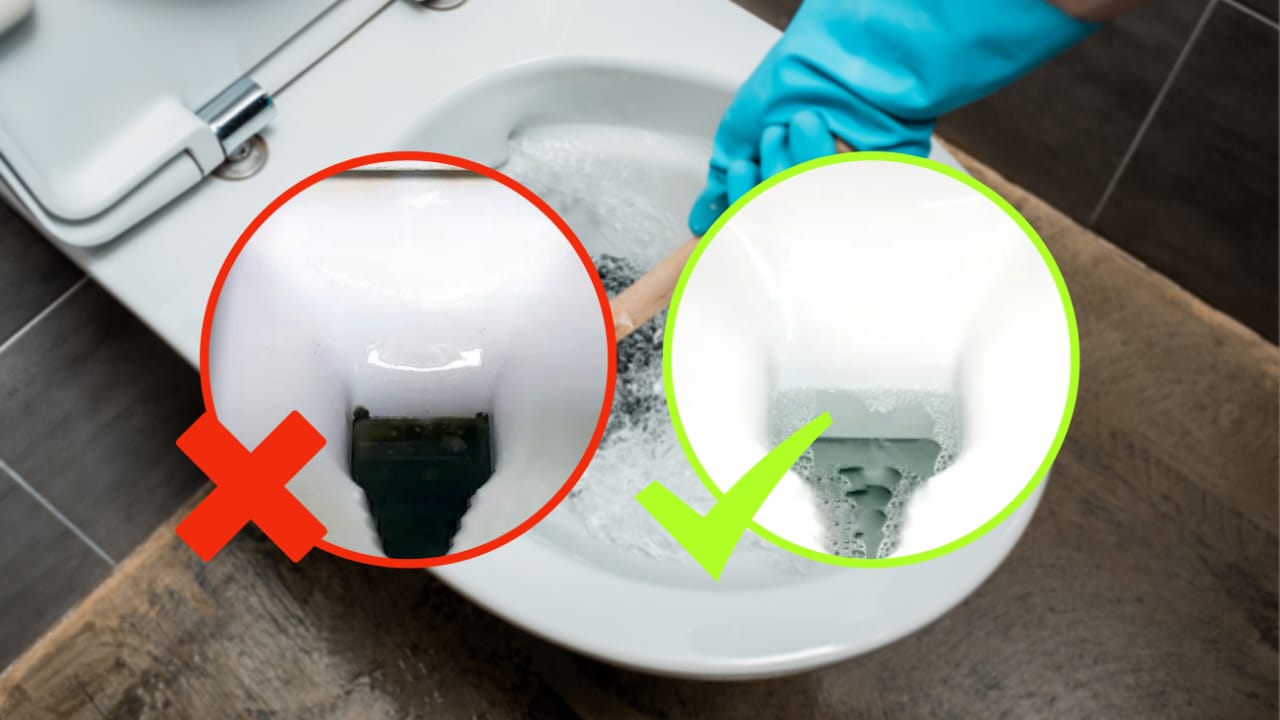
The toilet is probably what needs to be sanitized the most in the house. Often, however, inadequate or non-continuous cleaning can cause dark spots to be created that become increasingly difficult to remove, even with the best products on the market. Let’s see how it is possible to remedy it with an absolutely natural method.
Remove limescale deposits in the toilet
Whether it’s due to lack of time or too hasty cleaning, it can happen that you end up with a toilet that has dark stains or streaks.
These are nothing more than deposits of limescale and salts naturally present in the water and their deposit is given by inaccurate or infrequent cleaning. It is essential to remove these stains not only because they are unsightly but above all because they promote bacterial proliferation.
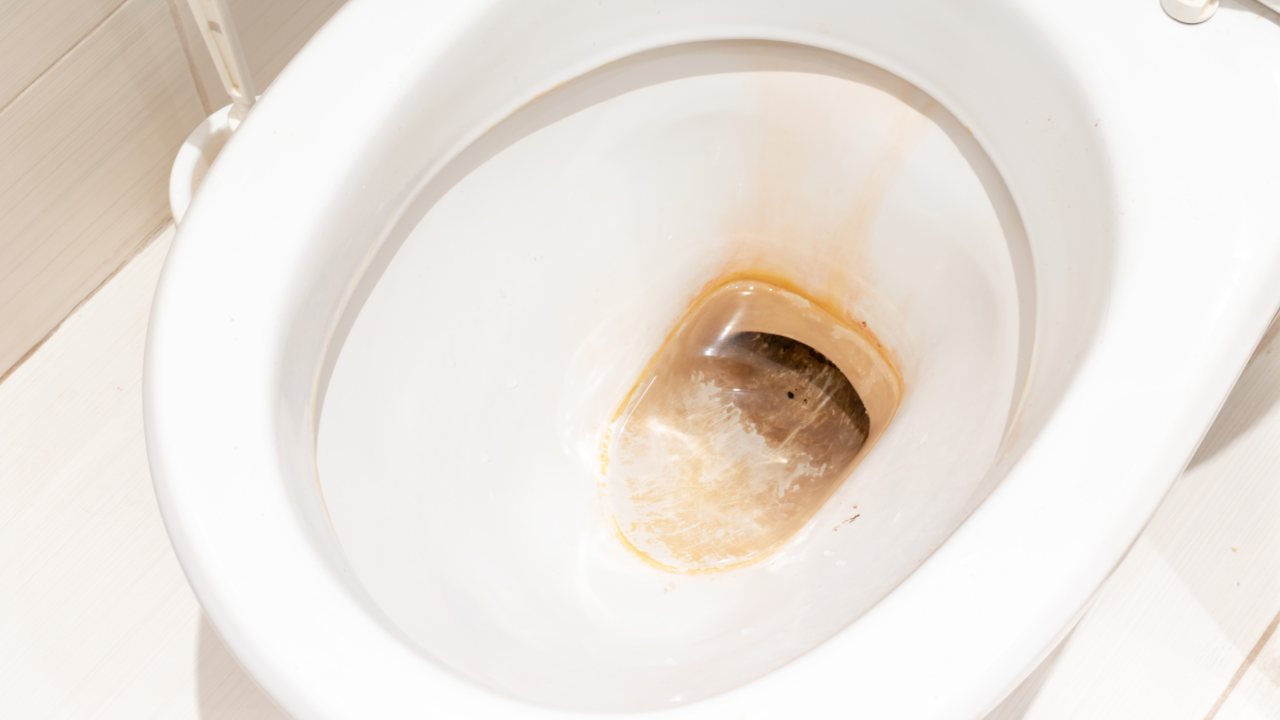
Most often this occurs under the edge of the toilet, where the water released by the flush flows. Check the situation of the lower edge using a mirror and then act as best you can. Few ingredients will be needed and easy to find.
All you will need is 3 liters of vinegar, a brush with a long handle, a dish sponge with a rough side, a thick and resistant paper towel roll (paper towel), a wooden spatula, scissors, a bowl and an empty plastic bottle of 700 ml or 1 liter, if the bottom is small enough to fit in the siphon.
How to clean the toilet to perfection
First of all, it is essential to remove all the water present in the siphon. To do this you will have to use the bottle and cut it to create a ladle. Just cut an oval porthole on the long side of the bottle, which takes about 3/4 of the length, to collect the water with the bottom without problems.
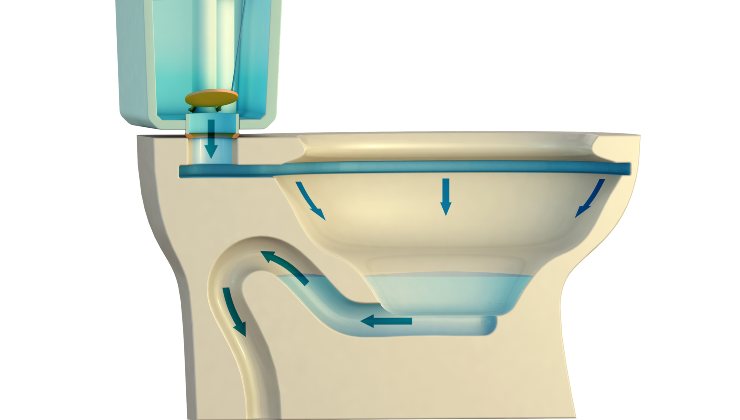
Collect as much water as possible and, if necessary, cut the bottle more towards the bottom to collect the remaining water more easily. When you can no longer pull water with the bottle, you can remove the rest with a cloth, drying the siphon completely.
At this point you will find yourself with an empty, rough siphon covered with limescale, whether the stains are light or dark. All you have to do is fill the siphon with vinegar to its limit. Then take the bowl and fill it with vinegar, it will be used to dip the paper cloth in it. Soak the paper cloth well in vinegar and cover the edges of the toilet, including those from which the drain water comes out.
It is important that the paper towel is soaked in vinegar and dripping, so that it does not dry out while it works. In the case of stains on the rest of the toilet surface, you can also apply a paper towel soaked in vinegar here.
You will have to leave everything on for a few hours, so it is advisable to proceed with this method when you are sure you do not have to use the bathroom.
It is important to use a thick paper towel and not toilet paper or tissues, as these may crumble and not work at their best.
Is it possible to remove all stains?
After about 8 hours you can remove the pieces of paper, rubbing lightly if necessary. You will see the residue of limescale stains directly on the paper you just removed.
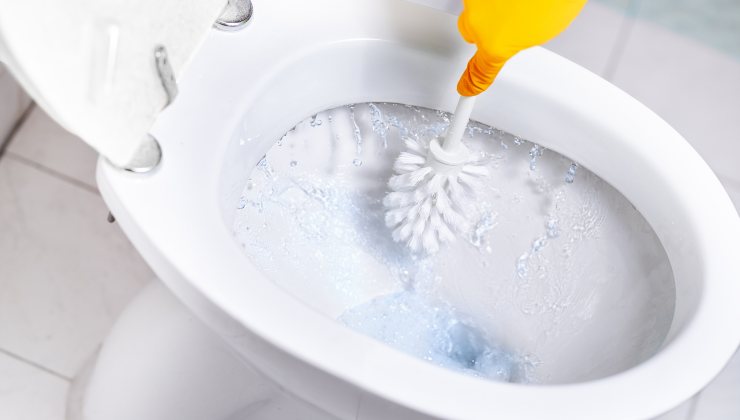
As for the siphon, you can proceed with the brush, as the vinegar will have softened the toughest stains making them easy to remove. Flush the toilet and if there is any more stubborn residue left, you can proceed with the wooden spatula. It is important that the removal work is done exclusively with a wooden spatula, to avoid scratching the ceramic of the toilet.
Then clean the rest of the toilet as you usually do with the help of the sponge and you will have a toilet as new, shiny and sanitized.
It is advisable to use this method at least once a month as a preventive measure to ensure that no limescale stains are created.


