
A kettle full of limescale can become a real nuisance, as the deposit matter changes any drink.
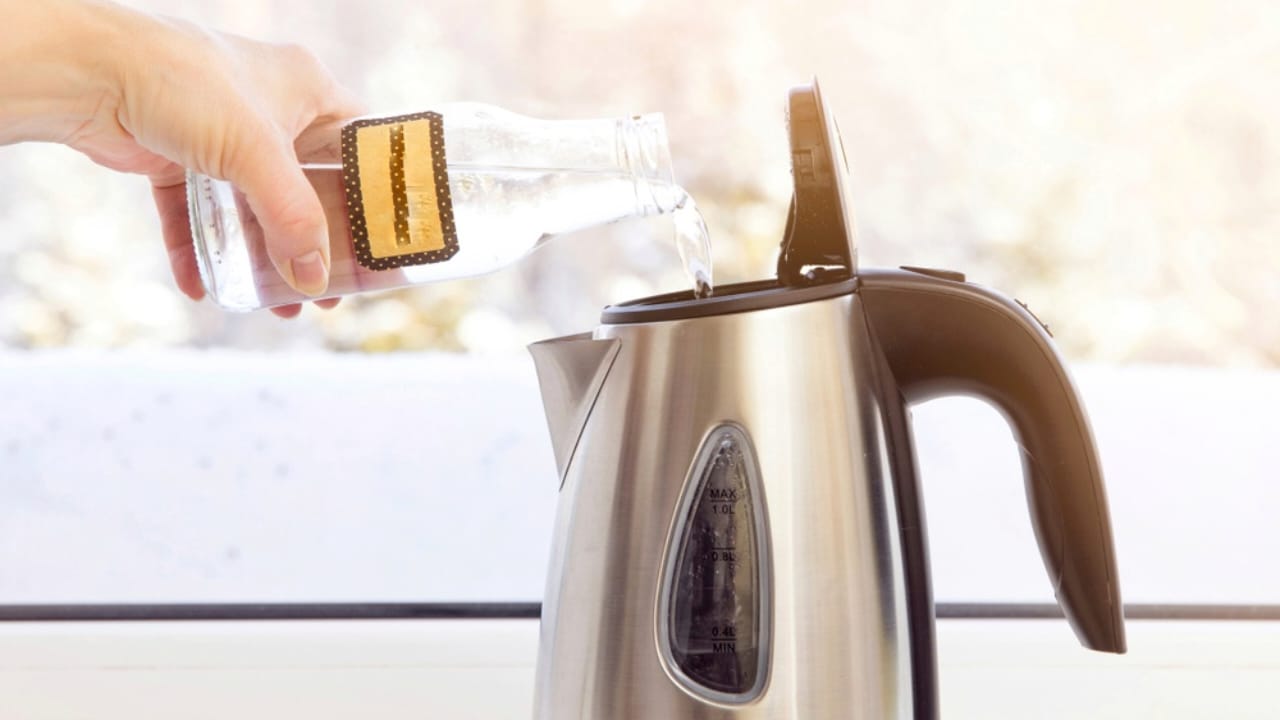
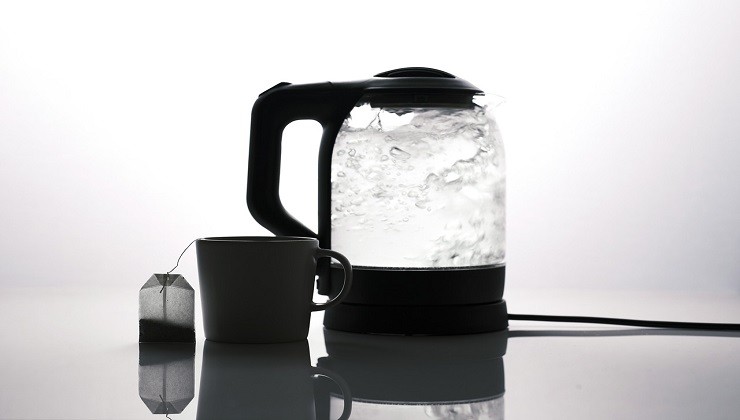
Whether it’s long coffee or heated water for a pleasant tea, the kettle must be impeccable.
Limescale in the water kettle
Limescale is a deposit of minerals that accumulates in hard water, i.e. water that contains high concentrations of calcium and magnesium salts.
When water is boiled, the heat causes a chemical reaction between the calcium and magnesium salts in the water and the oxygen in the air, forming calcium carbonate crystals (more commonly known as limescale) that are deposited on the walls of the kettle and other surfaces in contact with water.
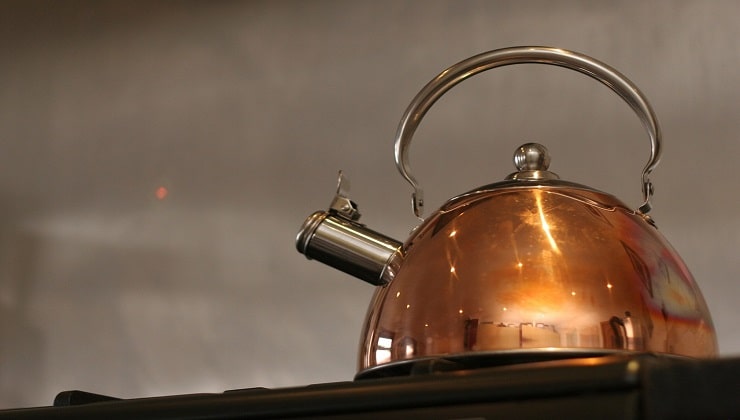
Limescale can cause problems in a kettle because it builds up progressively, forming an insulating layer that reduces the efficiency of heating the water and increases the time it takes to reach the desired temperature.
In addition, limescale can cause damage to the kettle’s heating elements, increasing energy consumption and reducing the life of the device.
To prevent limescale build-up in the kettle, you can use descaling products or clean the device regularly.
Kettle full of limescale
The kettle has become a common appliance in today’s kitchens. The majority of the Italian population drinks coffee regularly, considering it an almost sacred habit, and many prefer coffee to tea, although the latter is gaining popularity in Italy.
In fact, more and more Italians are taking an interest in herbal teas and infusions. Tea is a very popular beverage in many cultures and is consumed for multiple reasons, including socializing, celebrating, health care, and relaxation. Just think of the complicated tea ceremony.
Where the Japanese tea ceremony was developed to promote beauty, simplicity and inner peace through respect for nature and harmony among guests.
How to best clean it
Like any other crockery or cutlery, the kettle also requires regular cleaning, especially when limescale builds up on the bottom. Here we will show you how to remove limescale from the bottom of the kettle with natural and easy-to-use remedies.
The immediate solution to cleaning your kettle
To perform this solution, you need to use a product that is commonly available at home – lemon. Let’s see how to proceed:
You will need a whole lemon and enough water to fill the kettle. Follow the steps below:
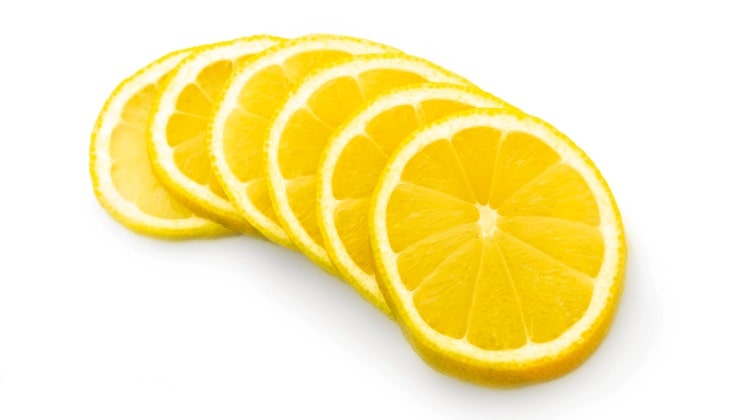
- Cut the lemon into thin slices.
- Place the lemon slices inside the kettle and fill with water.
- Wait for the kettle to come to a boil.
- Rinse the kettle well with clean cold water to remove limescale from the bottom.
With this method, limescale will be removed from the bottom of the kettle.
Cleaning the kettle with vinegar
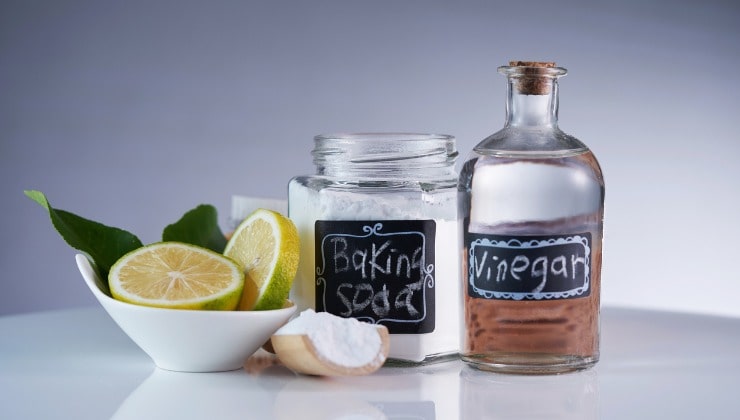
This is how you can remove limescale from the kettle using vinegar, which allows for a deep cleaning thanks to the acids that help eliminate limescale deposits.
We will need white vinegar and water. Here are the steps to follow:
- Prepare a solution consisting of equal parts water and vinegar.
- Fill 50% of the kettle and boil well.
- Let the liquid sit for at least 30 minutes, or overnight.
- Rinse the kettle with clean, cold water.
- Fill the kettle again with water and bring it to a boil.
- Empty it and repeat steps 4 and 5 2 more times to remove other vinegar residues.
If you don’t have white vinegar, there are also other methods to remove the toughest limescale from the bottom of the kettle.
Baking soda
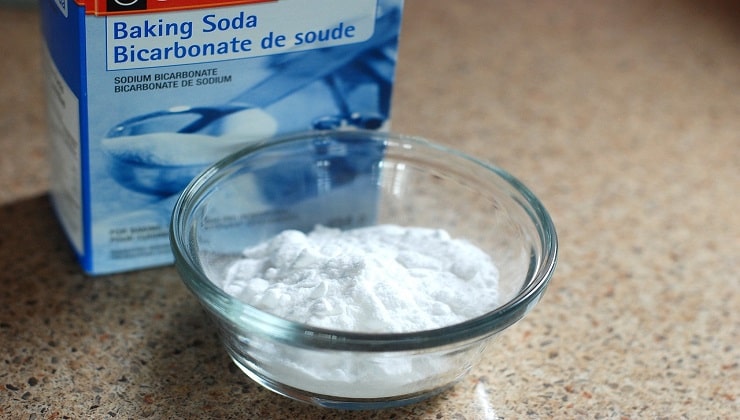
Baking soda is another excellent ally in cleaning the kettle and removing limescale. This versatile and useful household cleaning ingredient can be used alongside water and a little effort to get a kettle as clean as new.
It is important to remember to pay attention to safety and only start cleaning when the kettle is completely cold, to avoid burns. In addition, it is recommended to unplug and pay attention to all electrical components. With these three methods, it will be easy to descale the kettle and prepare tea with an appliance that is always clean and safe.


