
Have you ever noticed how the dishcloths in the kitchen seem to magically become dirty and full of grease and dirt? Yes, those very tools that should be synonymous with cleanliness and hygiene. But fear not, today we will reveal the secrets to eliminate every trace of dirt from your beloved greasy dishcloths. Let’s find out how to do it.
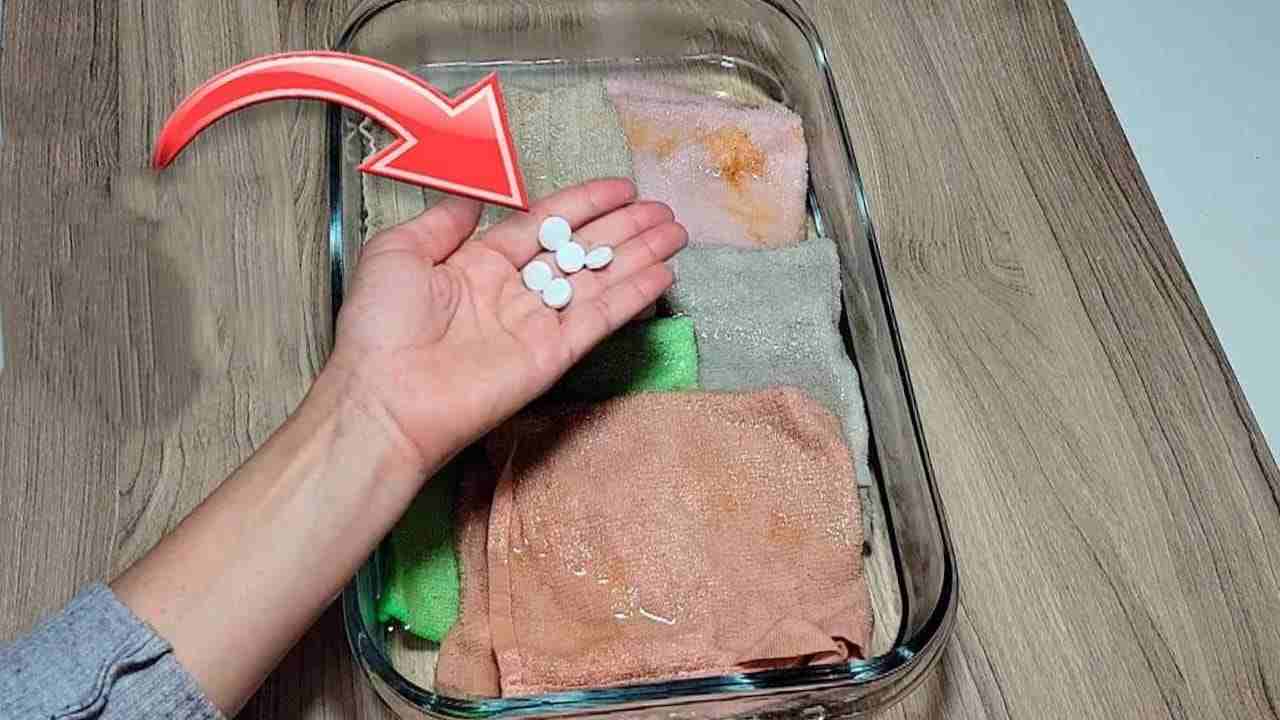
Have you ever faced the problem of greasy, grimy dishcloths ? The ones that never seem to come back clean, no matter how many times you wash them? Get ready to discover the most effective solutions to keep them always fresh, clean and safe for your health. So take a few minutes to read this article until the end because your next step could radically transform your cooking experience.
The use of dishcloths in the kitchen
Did you know that dirty dishcloths can be real reservoirs of harmful bacteria? When we allow dirt to accumulate on these kitchen “utensils,” we are creating an ideal environment for microorganisms to proliferate . This is especially concerning because bacteria such as E. coli and Salmonella can be present on our raw or inadequately cooked foods. If we use contaminated dishcloths to clean our kitchen surfaces, we risk spreading these potential health threats .
You may be wondering how often you should change your dishcloths to prevent bacteria buildup. The answer depends on how much you use them and how often you wash them . Generally, it is a good idea to change your dishcloths every 2-3 days if you use them regularly. However, if you notice obvious signs of dirt or unpleasant odors before the expected time, don’t wait, it’s best to replace them immediately .
Now that we have addressed the problem of greasy and dirty dishcloths in your kitchen, you are probably also wondering which fabric is the best to use to ensure effective and efficient cleaning. Choosing the right material can really make a difference . Microfiber fabrics are among the most recommended since they are highly absorbent and can easily remove all traces of grease, dirt and unpleasant odors . In addition, they are also much more resistant to frequent washing than other fabrics such as cotton. So, if you want to ensure a deep clean of your kitchen without worrying about endangering the health of the people who live there, opt for microfiber ones. Now, however, it is time to find out how to effectively clean our greasy dishcloths.
Harmful bacteria on greasy dishcloths pose a health risk
Harmful bacteria on dirty dishcloths pose a real danger to human health . When it comes to cleaning our dishes and kitchen surfaces, we often rely on dishcloths as an essential tool. However, these harmless kitchen cloths can become veritable breeding grounds for harmful microbes if not cleaned regularly .
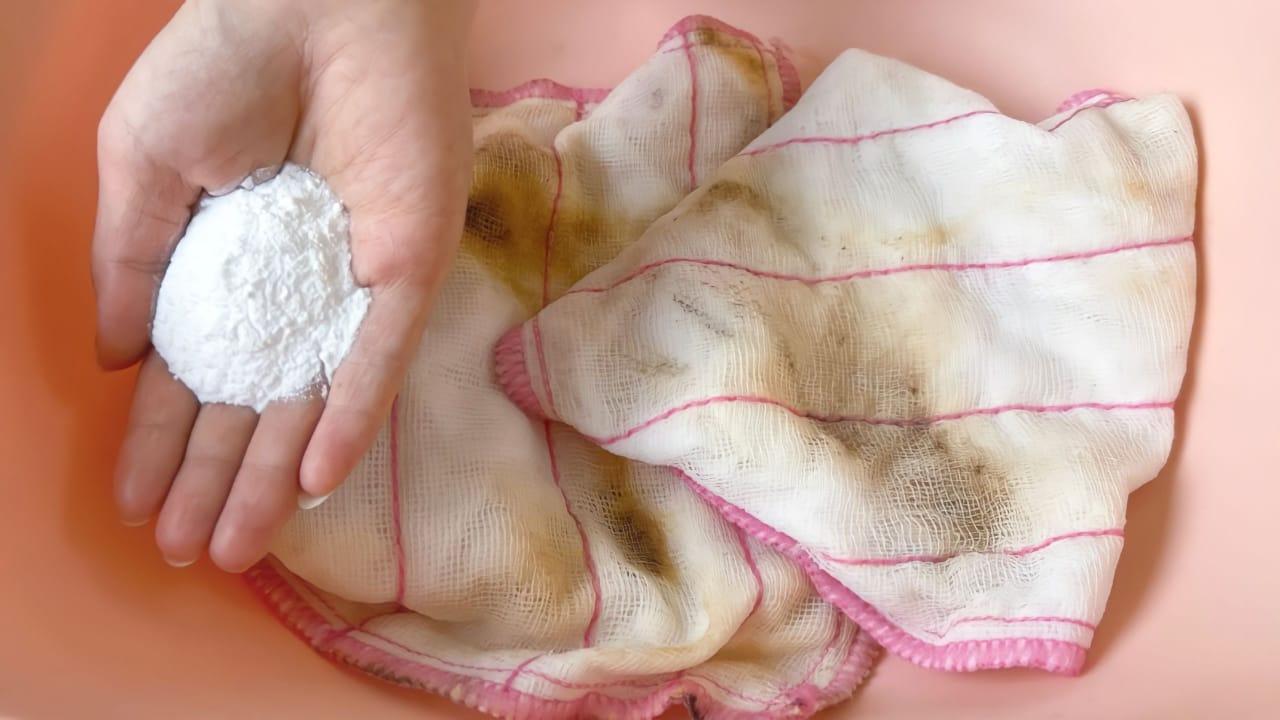
Dishcloths filled with grease and grime provide an ideal environment for bacteria to thrive. Food residue left on the fabric is a perfect source of nutrition for microbes, allowing them to multiply rapidly . The moisture present in dishcloths creates the ideal conditions for these bacteria to grow exponentially.
The presence of harmful bacteria on dishcloths can lead to various gastrointestinal diseases and foodborne infections . These pathologies can manifest themselves with symptoms such as nausea, vomiting, abdominal cramps and persistent diarrhea. This is why it is essential to pay attention to the cleaning of dishcloths .
To prevent bacteria from growing on our dishcloths, we recommend washing them regularly with warm water and antibacterial soap or detergents specifically formulated to kill germs. It is also important to ensure that the dishcloths dry completely between uses, as moisture encourages microbial growth.
In addition, it is good practice to replace dirty dishcloths frequently. They should not be used more than 2 or 3 days before being washed. This will prevent harmful bacteria from accumulating on the dishcloths and not releasing them into the surrounding environment. But what is this effective remedy for thoroughly cleaning greasy dishcloths?
Dishcloths full of grease, how to eliminate it permanently
Dishcloths filled with grease and grime can be a nightmare for any cook or foodie . But fear not, there are natural ways to thoroughly disinfect them without having to resort to harsh chemicals. One of the most effective remedies is to create a homemade solution by combining a few common ingredients that you probably already have in your pantry.
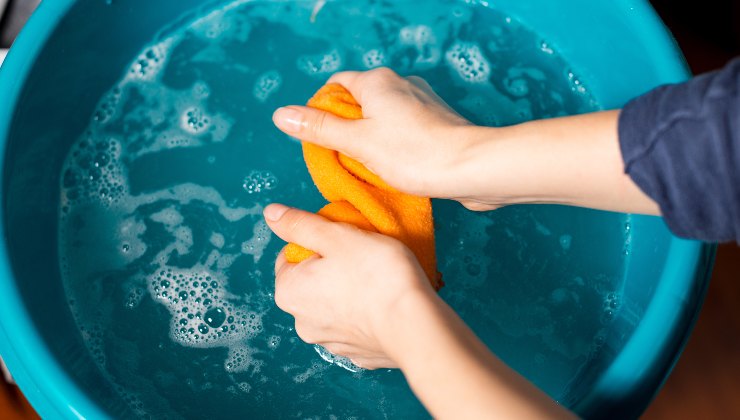
Take a container and crush an aspirin tablet until it becomes a fine powder . Then add two tablespoons of salt, half a glass of hydrogen peroxide and a few drops of neutral detergent. Mix everything until the ingredients are well combined. Once the solution is ready, immerse your dirty dishcloths in the mixture and leave them to soak for at least an hour. This will allow the active ingredients of the solution to act on the stubborn dirt and grease accumulated on the fabrics of the kitchen cloths.
During this phase, occasionally rub them gently without rinsing them and put them back into the container. After the necessary time, rinse your dishcloths thoroughly under hot running water to remove any residue of the dirt dissolved by the homemade solution. If you prefer, you can also wash them normally with additional detergent before the final rinse. Always remember that keeping your dishcloths clean is essential to preserve the hygiene of your kitchen and prevent bacterial proliferation. Using this simple but powerful homemade solution, you can disinfect your dishcloths with natural and economical products.
Avoid using for long periods
When it comes to dirty dishcloths in the kitchen, one of the most common questions is: how often should we change them? The answer to this question depends on several factors , such as how often you use the dishcloths and the type of dirt they accumulate.
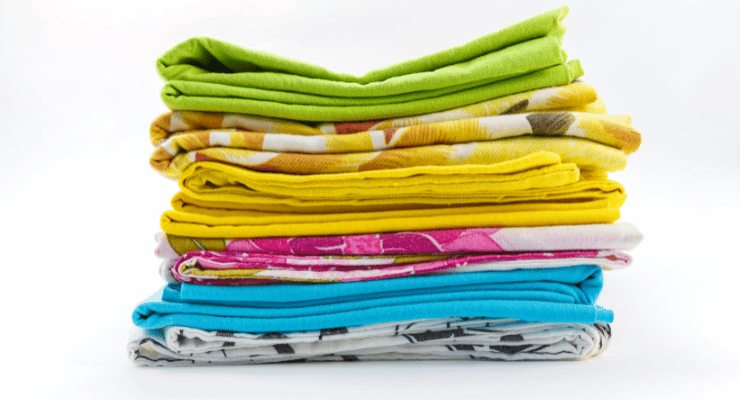
In general, it is good practice to change dishcloths at least once a week . This is because dishcloths can collect harmful bacteria from food and dirt on dishes and kitchen surfaces. If they are not cleaned or replaced regularly, these bacteria can grow on the dishcloths and pose a health hazard to humans.
However, if you notice that the dishcloths are particularly dirty or smelly before the week is up, it is advisable to change them immediately. There is no need to wait until the due date if they are clearly unsanitary.
Also remember that not all dishcloth materials are created equal when it comes to cleaning. Natural fabrics like cotton absorb water better and remove dirt more effectively than synthetic fabrics. So consider using cotton dishcloths to maximize the effectiveness of your kitchen cleaning.
Which tea towels to choose: the best fabric
If you have dishcloths full of grease and grime, choosing the right fabric is essential to ensure effective and long-lasting cleaning. But what is the best fabric for dishcloths?
One of the most common and recommended options is cotton. Cotton is known for its ability to absorb moisture , making it ideal for removing grease and grime stains from your kitchen. Cotton is durable and easy to wash, ensuring your dishcloths are always ready to use.
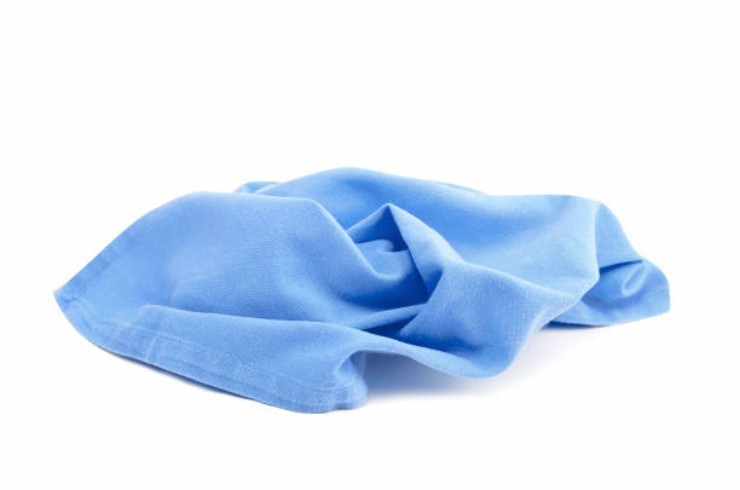
Another great choice might be linen . This natural fabric has a slightly rough texture that makes it perfect for scrubbing away stubborn stains without damaging delicate surfaces. Linen has natural antibacterial properties that can help keep your dishcloths clean and sanitary.
If you prefer a synthetic material, you can opt for microfiber. Microfiber cloths are highly appreciated because they easily capture dirt without leaving residue or fluff on the surface to be cleaned . They are highly resistant and can be washed repeatedly without losing efficiency.
Always remember to choose high quality materials when purchasing dishcloths, this will ensure that they will last and remain effective in removing dirt from your kitchen. Choose the fabric of your dishcloths carefully and make sure to follow the correct washing instructions, this will help you keep them in tip-top condition for years to come.


