
Remove scale and stains from pots and pans naturally, quickly and cheaply. You only need a few ingredients, here’s how.
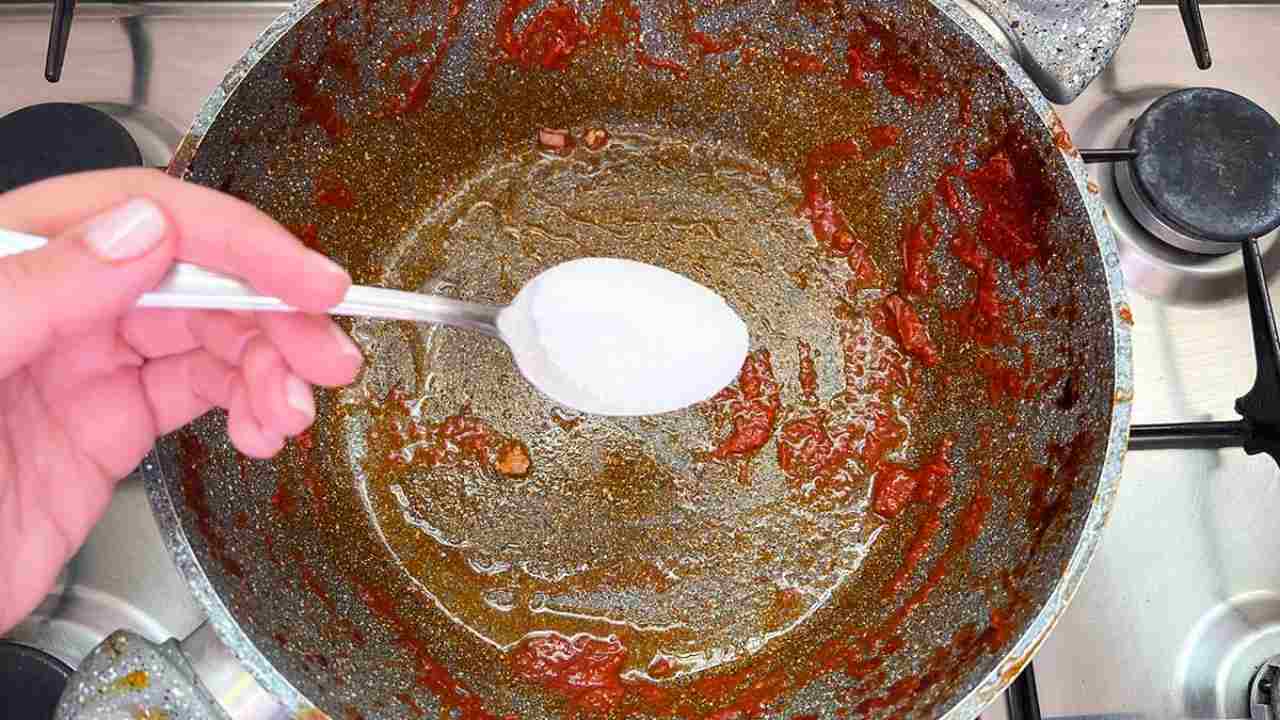
Food residue , grease and burnt stains can be a real nightmare when you find yourself having to wash kitchen pots . Yet it is not necessary to spend endless minutes and make a lot of effort in trying to remove encrustations . There are some home tricks that will allow you to remove encrustations from pots in a natural , quick and economical way . Let’s see how.
Why it is important to remove scale and stains from pans
Removing residues , stains and encrustations from kitchen pots is essential first of all to maintain hygiene , but also to prolong the life of the pots . In addition to containing bacteria and food residues that can affect food safety , in fact, encrustations can cause damage to the pots and make subsequent cleaning difficult . But there is no need to worry : there are ingredients that will allow you to remove encrustations in the blink of an eye.
Baking soda and vinegar to remove encrustations
These are two very famous substances because of their cleaning and degreasing power . To remove encrustations from pots using vinegar and bicarbonate , simply pour some vinegar into the pot to be descaled, and then heat it . Once the vinegar is hot , you can turn off the gas and pour two tablespoons of bicarbonate into the pot .
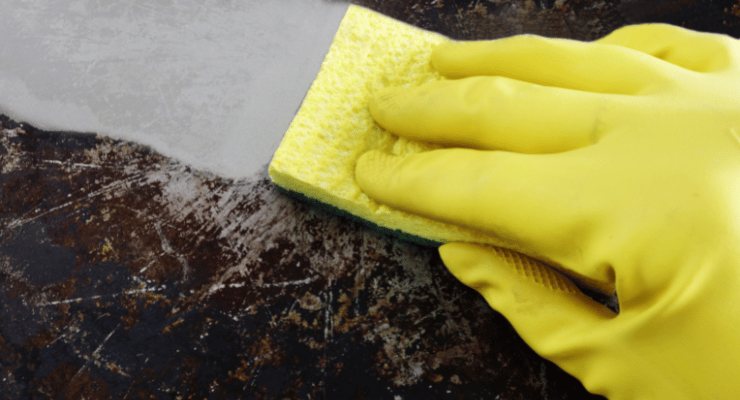
At this point, our degreasing mixture will need a few hours to act. In the meantime, it will have cooled down , and we can move on to the actual cleaning . Using a soft sponge, we then proceed to rub the inside of the pot . It is advisable to choose a soft and non-aggressive sponge, avoiding the use of a steel wool , because the latter could scratch the pot.
Thanks to the work of vinegar and bicarbonate , the encrustations will be softer and we will not have to work hard to remove them . This method is also effective for eliminating burnt stains from the bottom of pans .
Remove scale with citric acid
Citric acid is an effective detergent with anti-limescale properties , therefore it is a truly effective remedy for removing encrustations from pots. To use it, fill a pot with water and pour a solution of citric acid into it . Generally, as regards the doses, you can adjust by combining 150 g of citric acid with a litre of freshly heated water .
Even in this case, the degreasing solution needs to rest for a few hours , better yet all night . During these hours, the citric acid will make the encrustations softer and, once we go to clean them using a sponge , they will come off much more easily . But be careful about the material the encrusted surface to be cleaned is made of : it is not the case to use citric acid on natural stone or marble surfaces .
Lemon to degrease pots and pans
Natural degreaser par excellence, lemon will add a touch of fragrance to the cleaning of your pots . Its use is also very simple : you have to pour water into the pot to be degreased , and add the lemon juice.
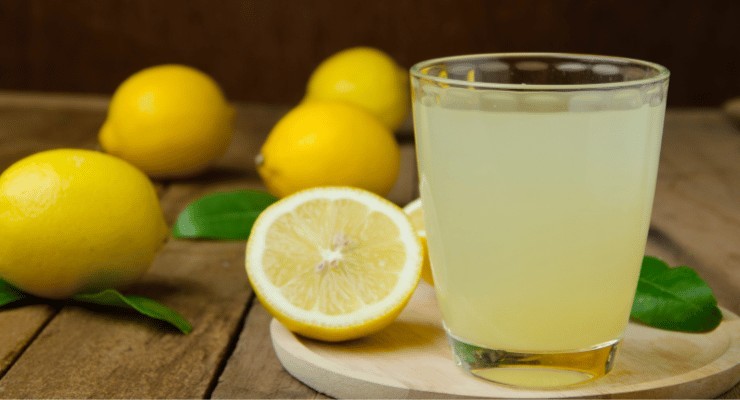
This remedy does not involve waste : we can also add the lemon peels to this degreasing solution. Then, we boil everything. When the water boils , we turn off the flame and let it cool . After that, we can move on to mechanical cleaning using a sponge .
A variation on using water involves the use of coarse salt . To degrease encrusted pans in this way, simply sprinkle coarse salt on the surface to be descaled , add lemon juice and wait the time necessary for the solution to act.
Remove scale and stains from pots and pans with Marseille soap
Those who love simplicity will be happy to discover this method . In fact, to degrease encrusted pots , all you need is water and soap. As long as it is Marseille soap . How to do it? Simple, we will have to fill the pot with water , add a little Marseille soap and boil .
The high temperature of the boiling water will work together with the degreasing power of the Marseille soap , causing the encrustations to come off by themselves . For a perfect result , after letting the solution act and cool , we can remove the water and clean the surface with a sponge , so as to remove even the small residues of dirt.
Like lemon , Marseille soap has the advantage of being particularly scented , so it will not only help remove encrustations from pans , but will also eliminate bad smells.


