
“Mom, Dad, there’s a big cockroach in the kitchen, in the bathroom, under my bed…” Are you tired of hearing this refrain all the time? Okay, well, maybe it’s time to strike, right? Have you tried everything, but nothing works, the cockroaches always come back? I’m not sure their methods are on the right track. What if you were looking for solutions to ban them? We suggest you try our tips.
What types of cockroaches will you find at home?
In your eyes, they all look the same. Cockroaches represent this threat to the peace and hygiene of your home! We completely agree. But you should still know that there are several species of cockroaches that differ in size, shape and behavior. It would be interesting to better identify these insects that infest your home, right? The form of reproduction, the behavior of the colonies, among other factors, therefore depend on the species of cockroaches that invade your home. Furthermore, as far as pest control is concerned, professionals first seek to identify them in order to eliminate any presence of eggs or larvae in order to eliminate the problem.
– American cockroach
It is one of the most well-known and common species on the planet. This cockroach is distinguished mainly by its size, it is much larger and more imposing than those that usually invade homes. Its reproductive capacity is high: each female specimen can have up to 150 cockroach offspring per year. Also called the “sewer cockroach”, it has a special predilection for warm and humid places. It is not surprising that it chooses to nest in sewers, heating ducts or basements, although it prefers to install its nest outside homes or businesses. This cockroach has the habit of entering houses through sewers, using its wings to slide along high surfaces. And since it is very fast, it is not easy to get rid of it!
– German cockroach
Very easy to recognize, unlike the American cockroach, the German cockroach looks inside buildings to set up its nest, especially in areas close to the pantry to have easier access to food. How to recognize this species? It is a very small cockroach that does not exceed one and a half centimeters (even in adult specimens). Its color varies between pale brown and dark yellow. You will notice that it has wings, but it is not a species that is characterized by flight. The big disadvantage: its reproduction is dizzying, it can lay up to 160 eggs per year. How to track it? It often installs its nest in cracks, near motors of electrical appliances or in false ceilings. And this cockroach prefers to feed on sugar, fats or rotten food, so it constantly lurks near garbage cans.
– oriental cockroach
It is a type of large cockroach, practically black in colour, reaching up to 2.5 centimetres in length in adult specimens. It is not called a flying cockroach, although males have wings and usually enter buildings through pipes or cracks. A very distinctive characteristic? Compared to others, the oriental cockroach gives off a strong and very unpleasant smell due to the bacteria that live on its body and which, it should be noted, can be transmitted to humans or pets. Where can we find it? It hides in basements, damp and dark places, although it tends to build its nest outdoors, in hedges or tree trunks.
– Brown-banded cockroach
Among the small cockroaches we also find the brown-banded cockroach (Supella Longipalpa) which has quite surprising habits and characteristics. First of all, it only lives indoors and its reproductive capacity is very slow, so it is much less common than other species. This cockroach measures approximately 1.5 cm and lays a maximum of 16 eggs per reproductive period. As for morphology, it is light brown with a series of bands in yellowish tones on its back. In order to grow and reproduce, it needs heat. And, although it is afraid of water, it is used to settling in the kitchen. That said, this cockroach clearly prefers to feed on paper, books, curtain fabrics and other similar objects.
What attracts cockroaches to the house?
These are the sources of attraction to take into account to better secure them:
– Food
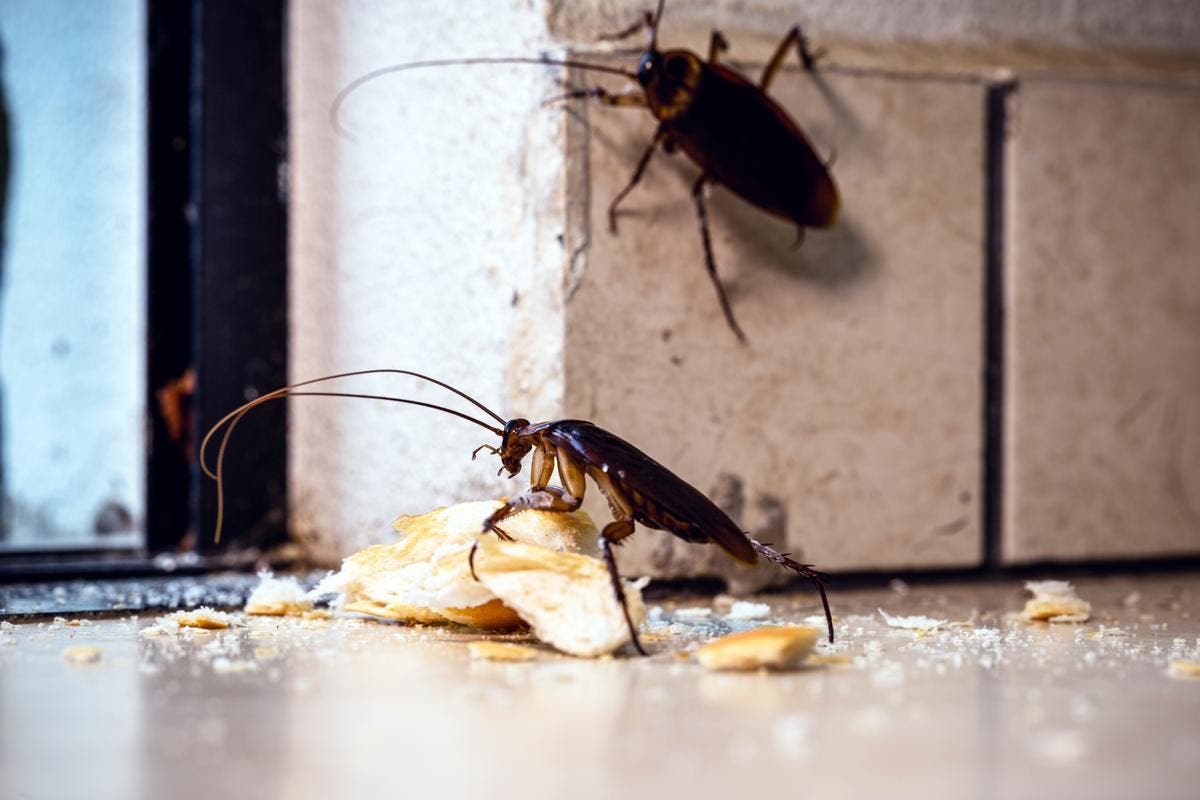
So, it’s no mystery, you already know that most cockroaches are constantly looking for food to survive. And of course, that’s not what you’re missing! Worse yet, even the smallest garbage or crumbs serve as a feast for these insects. So, it shouldn’t come as a surprise that they keep coming and hanging around. The best thing you can do is carefully seal all food in the pantry, empty the trash frequently, and vacuum up all crumbs from the floor, tables, and counters. Above all, focus on airtight containers to protect your food.
Note: Interestingly, cockroaches also eat some unexpected substances such as hair, soap and toothpaste. So there is no secret, it is best to clean your house thoroughly to remove the carpet from under them.
– Water leaks
Water is another vital resource for cockroaches inside your home. So if you have leaky pipes, areas where water collects or drips (under sinks or in basements), now is the time to fix them. To scare away cockroaches, remember to quickly fix leaks. Replace faucets and repair any corners where outside water can sneak into your home, especially through the window or roof. A quick tip: If your basement is damp, try using a dehumidifier or sump pump.
– Hiding places
You’ve probably noticed that it’s especially at night that cockroaches go on the rampage, right? And rightly so – during the day they have the art of hiding well. And what’s more, they happily camouflage themselves in dark areas, especially behind piles of cardboard boxes, under newspapers and other cluttered objects. These are ideal hiding places for cockroaches. Be smarter and get rid of all these potential hiding places. Why not recycle all your boxes instead of piling them up at home?
– Entry points
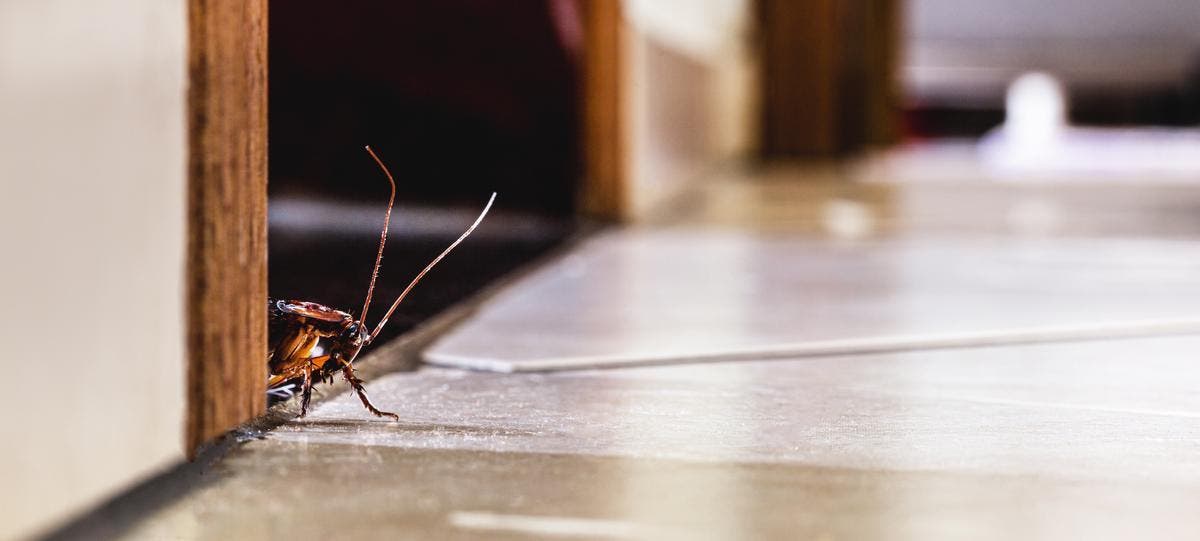
Oh yes, nothing gets past them, they can squeeze in through the tiniest little hole they can find. So close as many entry points as possible: in particular, cover the crack between the bottom of a door and the floor and seal holes in the foundation.
– Exterior foliage
Experts also recommend keeping gutters clean and removing foliage that hangs over the house. For example, don’t add mulch when it’s not necessary.
How to get rid of cockroaches inside the house?
Okay, now let’s get down to business! If you’re looking for tips to finally get rid of those cockroaches, we’ve got the solutions you need. And you can choose between natural or chemical methods to eradicate these parasites. It’s up to you to see what suits you best!
Eliminate cockroaches with natural tips
But yes, there are a range of home remedies that can get rid of these insects. And the big advantage is that most of them are not harmful to children or pets. They are definitely worth trying!
1. Borax
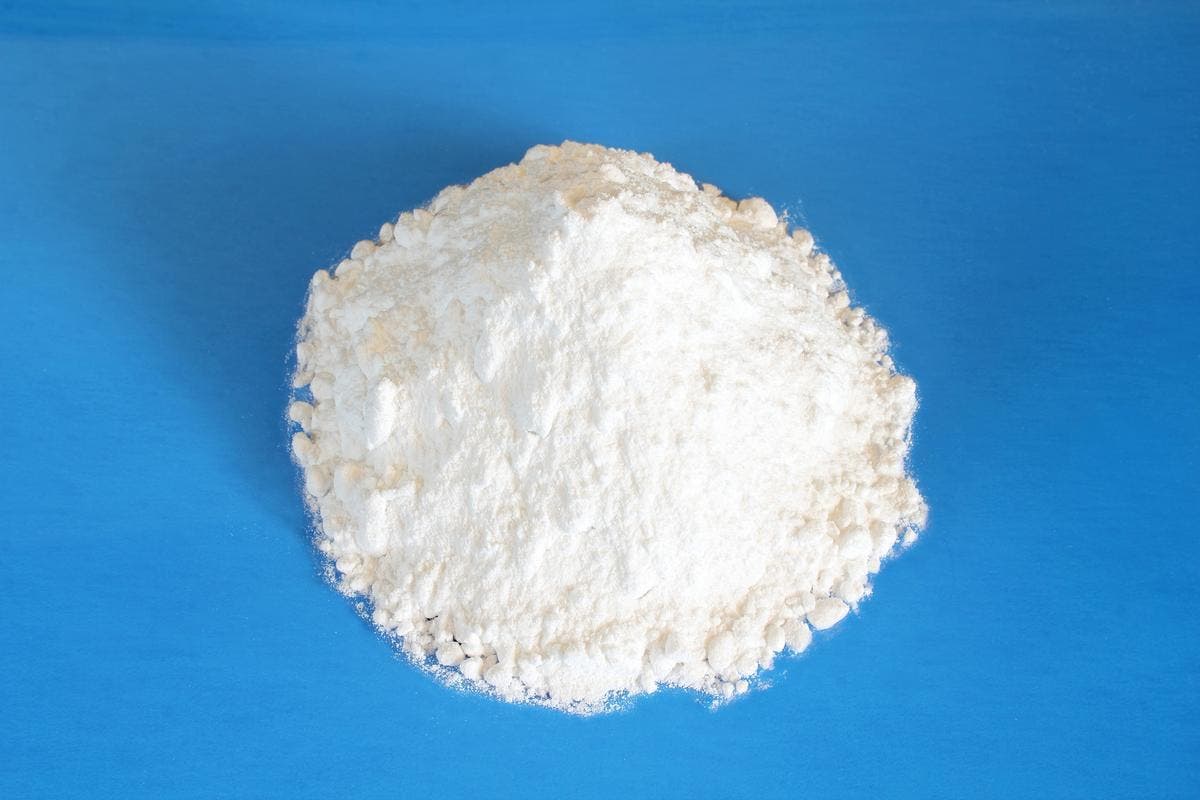
You probably already have some at home. But what you didn’t know is that this laundry detergent is great for killing roaches. And for even better results, there’s nothing like combining equal parts borax and sugar. Pour this mixture wherever you see roaches walking. Attracted by the sugar, roaches will be irresistibly drawn to it, but once they ingest the borax, they will quickly become dehydrated… and you can say goodbye to them!
2. boric acid
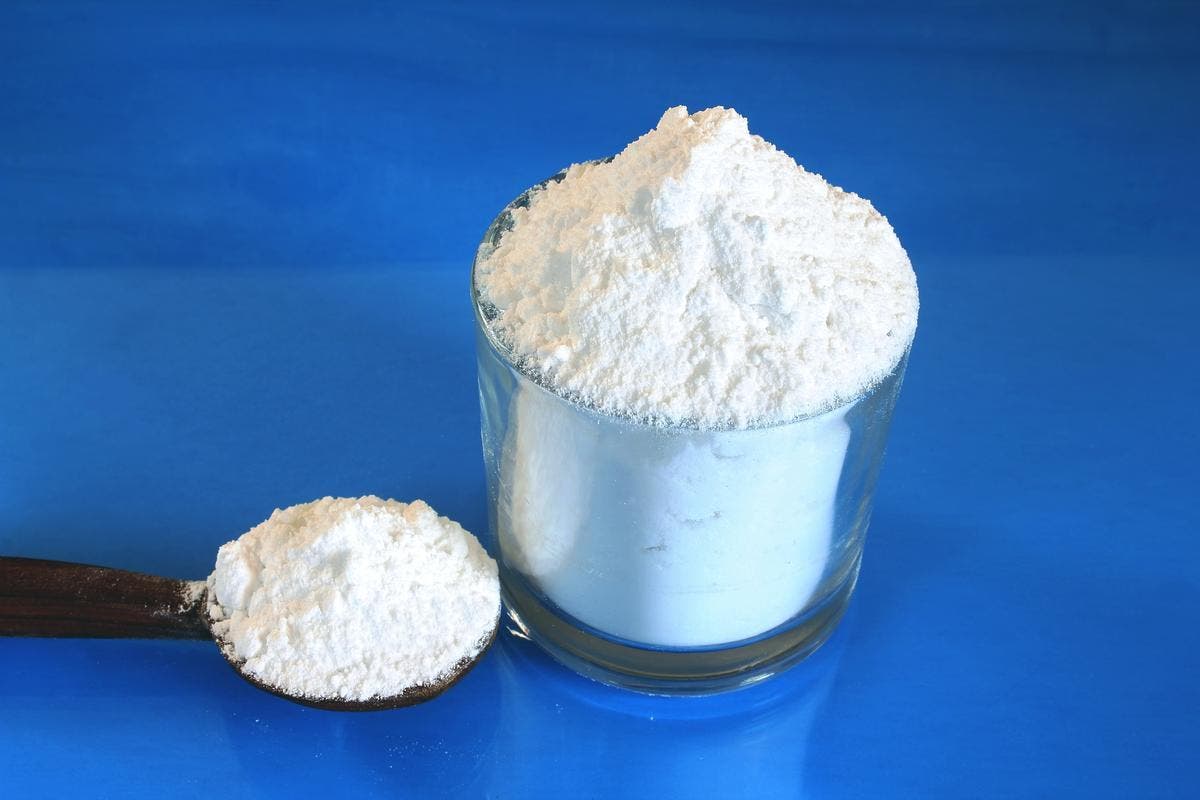
Boric acid is a stomach poison that cockroaches have no resistance to. So how do you achieve your goal? This time, mix the product with equal parts sugar and water. Pour the solution into an open jar that you will place where these parasites pass through. Once the cockroaches consume the mixture, they will be eliminated.
Note: If you don’t have boric acid on hand, borax will suffice.
3. Diatomaceous earth
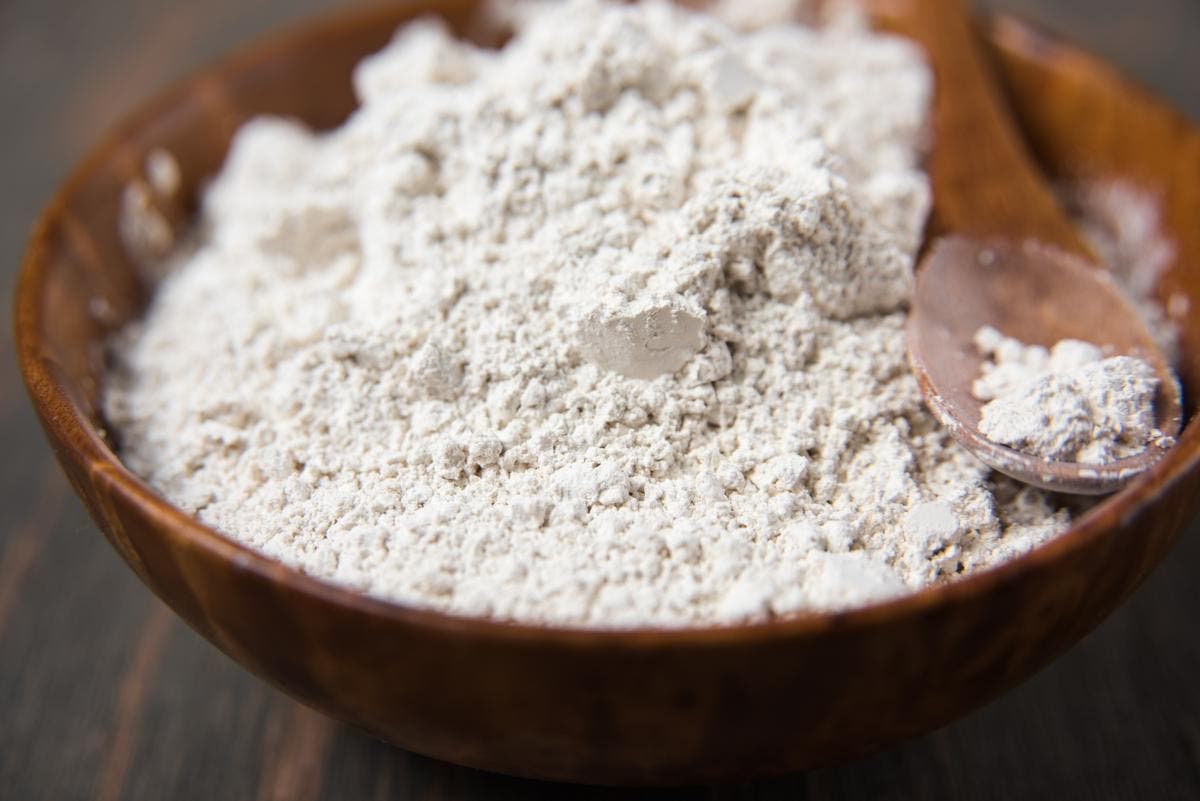
Diatomaceous earth is an abrasive agent to spread on surfaces frequented by cockroaches. It then adheres to the exoskeleton and causes latent desiccation. Like boric acid, this option is slow, but formidable against cockroaches. But you don’t need too much of it. Many people don’t always apply it correctly!
Important: The use of insecticide bombs is not recommended. The fog often does not penetrate the small spaces and cracks where cockroaches normally hide. In addition, over time, some species become resistant to certain insecticides present such as pyrethroids.
4. Baking soda
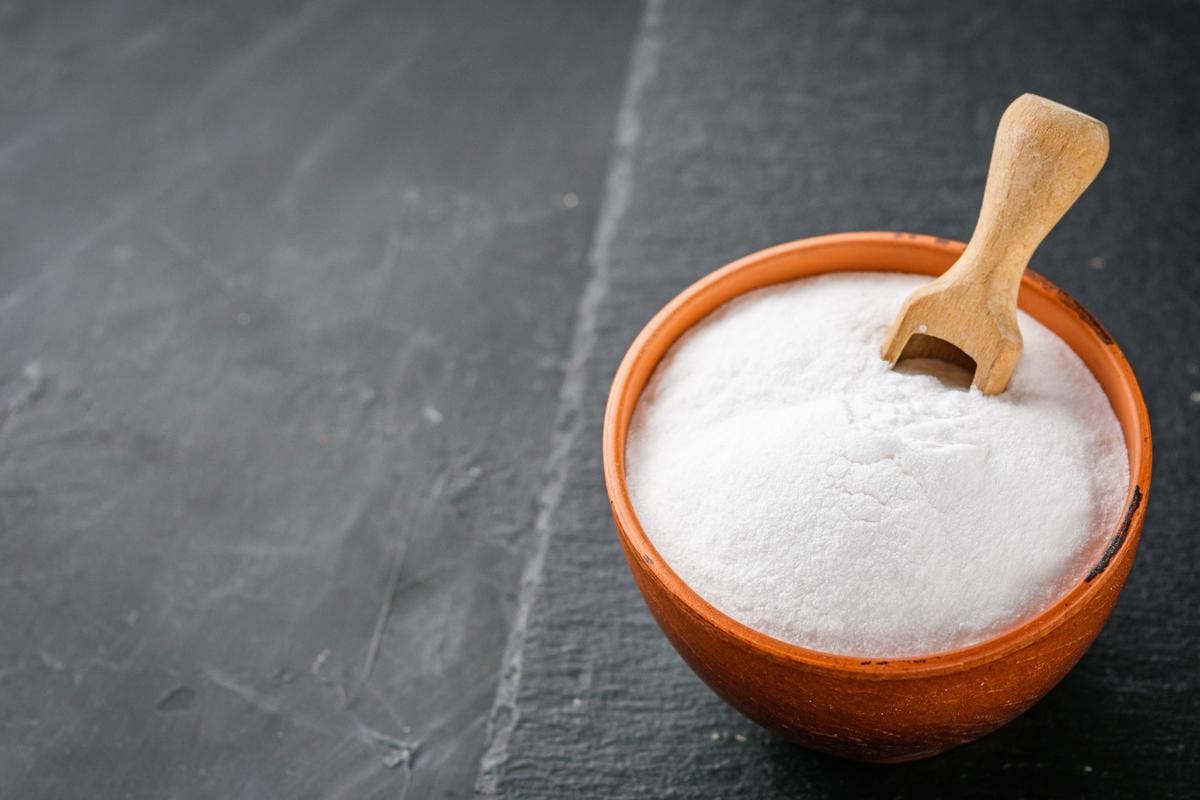
It’s a valuable daily ally, in many ways, but baking soda has more than one ace up its sleeve. Yes, know that you can easily add this household substance to your pest control arsenal. Its powdery texture goes very well with that of sugar. So, if you mix the two, cockroaches will see nothing but fire. And voila, once they ingest the baking soda, if they consume water at the same time, their insides swell and expand, which ends up killing them.
Note : However, baking soda alone is not as effective as boric acid. But you can combine them for a more optimal result.
5. Essential oils
Essential oils can be very helpful if you have to deal with some cockroaches entering your home from outside. So, you can make a spray with at least 2.5% essential oil mixed with water and then spray it around the areas where cockroaches could easily enter. Which oils are most suitable? Focus on eucalyptus, oregano, and lavender scents.
6. Crush it
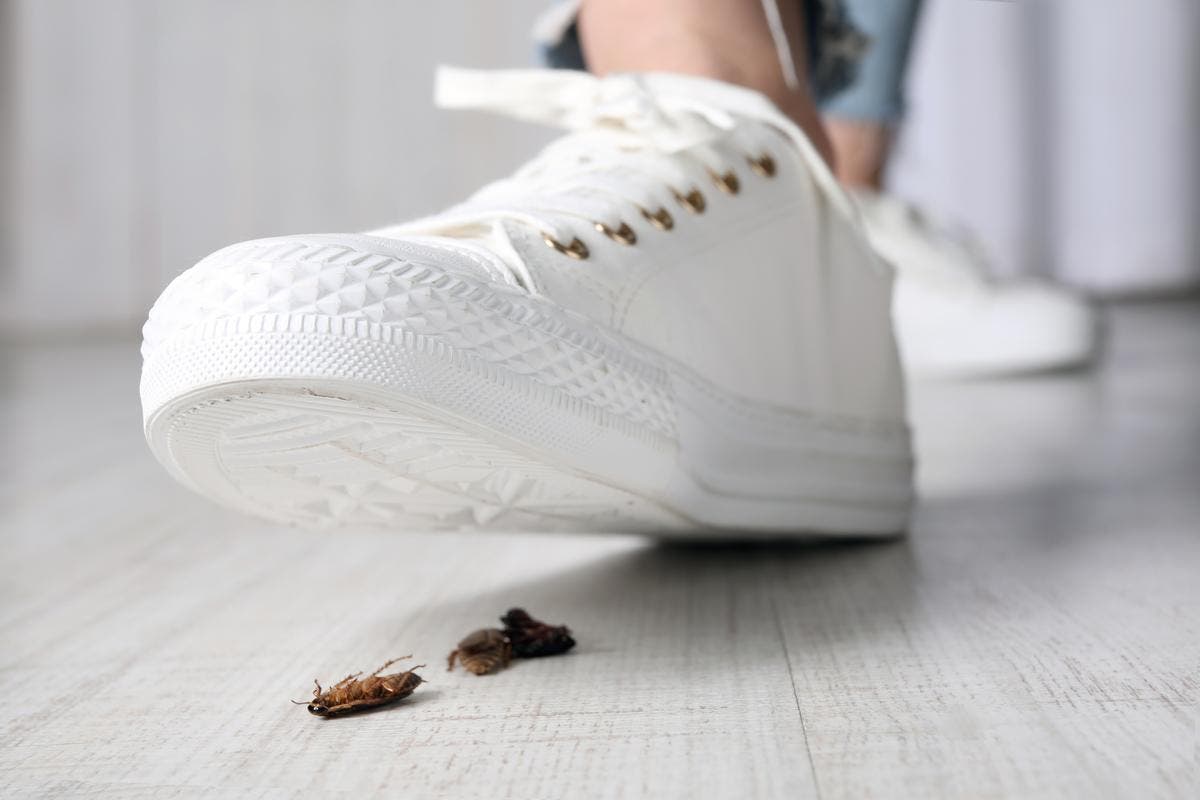
Yes, it’s not your favorite way, especially since most people get scared and don’t even dare to approach it. But, if they are small cockroaches, which are less scary than the big ones, you can easily step on them. Tell yourself that it’s one less cockroach to get rid of! And remember: after squashing it, disinfect the area with an antibacterial cleaner to prevent the spread of any possible pathogens that the cockroach may have carried.
NB: Go ahead, don’t be afraid to step on it and drop the eggs. If you disinfect the premises carefully, there will be no problem.
Eliminate cockroaches with chemical methods.
Looking for chemical-based tips to solve your cockroach problem at home? Below are some ways to get rid of them.
1. An insect growth regulator.
If you have domestic cockroaches in your home or suspect they are reproducing en masse, an insect growth regulator (IGR) would be welcome to control the infestation. It is available in a variety of formulations, including sprays containing pyriproxyfen, a potent insecticide. While these regulators can be an effective control measure, they are best used in conjunction with products that effectively kill adult cockroaches, including baits, traps, and liquid concentrates.
2. A syringe with gel bait.
Why will the syringe be of great help to you? Because gel-based products will be able to reach certain hard-to-reach areas more easily. It is always better to cover more areas so that the roaches will move towards the bait. Also, it would be a good idea to apply small drops of gel in the areas where the roaches enter and exit to feed, especially in corners, under cabinets, near cracks and edges. Keep in mind that baits can take one to three days to kill these pests, giving them time to potentially infect other roaches at the same time.
3. Cockroach poison and traps
Cockroach poison and cockroach traps are easy to find in specialty stores and shops. They are often instantly effective.
4. Glue strips
Did you know that this is the safest and most interesting solution to eliminate cockroaches? These adhesive strips come in the form of sheets or tubes covered with a sticky substance. The remarkable thing is that they catch these insects in one or two days at most. Of course, this tip won’t work if you have a large infestation, but at least it will tell you how serious the problem is. If you notice that these strips are catching a lot of cockroaches, you definitely have a home invasion. In which case, professional help would not be a luxury.
5. Hire a professional
Speaking of experts, if you have tried several methods but the cockroaches are still there, the most prudent thing to do would be to call a professional to get rid of them once and for all. It is their “job” and they will know exactly how to locate them and ban them permanently from your home.
How to prevent cockroaches from invading your home?
It’s not just a matter of acquiring the best extermination methods. The idea, upstream, would be above all to anticipate a possible invasion and avoid a massive presence of cockroaches in the home. Yes, at your level, there are precautions to take. Follow the leader!
1. Inspect your items
Remember that storage boxes, packaging, and even shopping bags can harbor cockroaches looking for a new habitat. In other words, every time you bring boxes into your home, from the garage or any storage area, check them carefully. Also check all grocery bags and paper (or cardboard) packaging immediately after bringing them inside. And quickly get rid of all those packaging materials that can hide those unwanted pests.
2. Keep your house clean
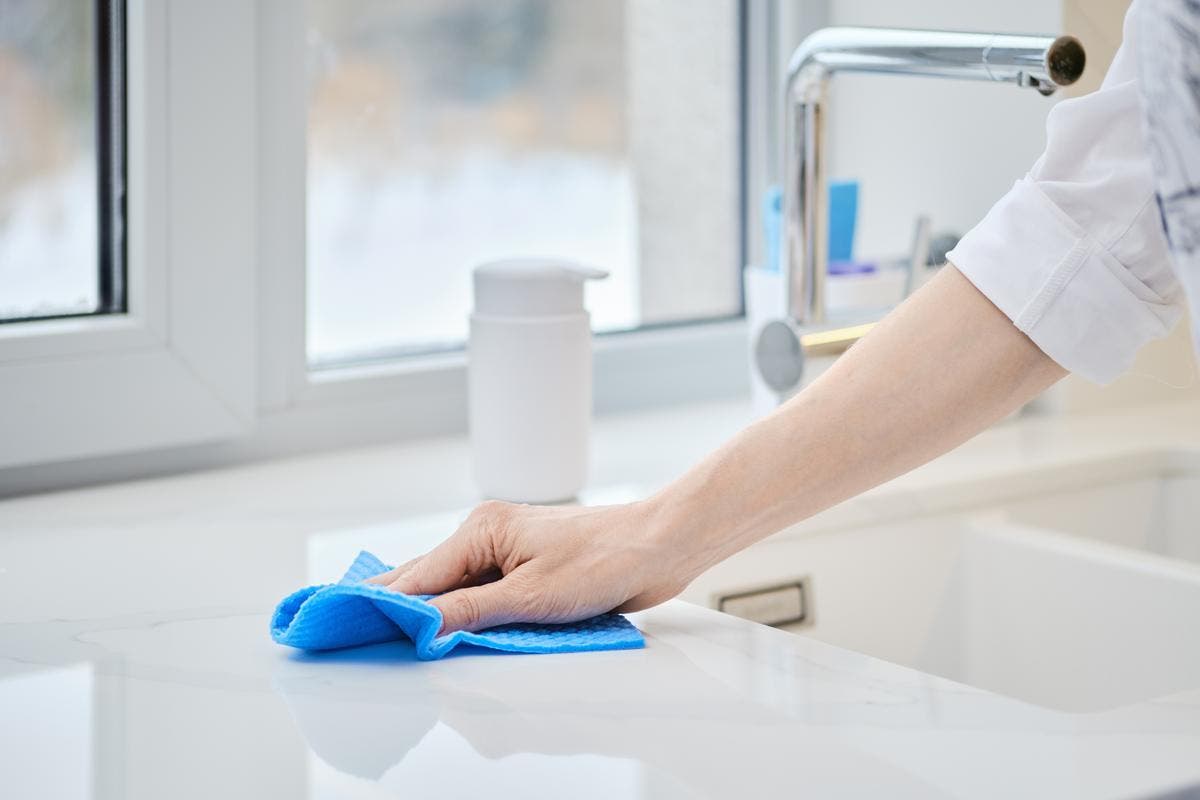
We say it over and over again: the cleaner your house is, the less tempted cockroaches are to stay there. Remember that they can survive on a minimal amount of food and water. Yes, a small pile of crumbs and a few drops of water are usually enough to survive. Therefore, cleaning must be done very carefully! Good cleaning practices, both indoors and outdoors, play a key role in prevention. So yes, it requires some effort on your part, but remember that it is worth it. For example, to avoid an infestation, the kitchen should always be clean. Never leave food scraps lying around in the living room and bedrooms. Clean the bathrooms thoroughly and vacuum regularly to remove egg sacs and certain body parts of cockroaches. Finally, frequent cleaning of surfaces contaminated by these insects is also recommended.
3. Prevention in the kitchen
At night, while you sleep, cockroaches feast in the kitchen. Because, even when it’s relatively clean, they sneak into trash cans, countertops, sinks, and pipes in search of any food residue. So, leaving a sink full of dirty dishes is like offering them an all-you-can-eat buffet. Since cockroaches are nocturnal, it’s essential to eliminate all food sources before bed. Go the extra mile: wash silverware, keep the sink clean and dry, wipe down countertops with disinfectant spray, don’t let the floor get dirty, and empty the trash. Oh yes, remember to clean up greasy residue in and around appliances, too. Finally, vacuum the kitchen floor every night to prevent crumbs from attracting them.
4. Limit meals to one room
Logically, if cockroaches are heading to the kitchen so much, it is simply because this room is full of food. This is where you keep all your food. But make no mistake, these insects can infest any room in the house, including the bedrooms. Simply eat in the living room or always have a small snack in the bedroom to attract hungry people. Therefore, try to stick to one place for your meals and limit as much as possible the remains of food and drink in different corners of the house. This will also save you more laborious cleaning. And for this to work, this rule must apply to all members of the household!
5. Optimal food storage
During the day, cockroaches spend most of their time resting in small cupboard crevices, wall gaps and other dark areas, not far from their food and water sources. This way, they can flatten their bodies to fit into the openings of cardboard food packaging and rolled-up plastic bags. They also like to rest on wood or paper. It is also possible for these pests to gain access to packaged food and disappear without even being seen. So, as you may have understood, the best solution would be to invest in airtight containers to protect all your food (even your pets’ food).
6. Look for entry points
American cockroaches typically gain access to the home from the outside, while German cockroaches typically enter through cracks and crevices between the walls of multi-unit dwellings. So, the idea would be to find a way to effectively eliminate these common entry points to prevent an invasion. To do this, we recommend sealing all cracks, especially between units, around pipe joints, and walls. Also consider inspecting baseboards, utility pipes, and crawl spaces for holes. Also make sure windows and doors are secure. If necessary, install weather stripping to prevent cracks from forming.
7. Eliminate hiding places on the ground
A cluttered home can be a breeding ground for cockroach infestations. Not only does this make it easier for them to hide, but it also makes it harder to locate them. Remember that they easily hide in warm, dark places while waiting for feeding time. So make sure to keep the floor free of cardboard, paper or other objects that can serve as shelter for them. Above all, avoid leaving storage boxes or food containers (for pets) in the kitchen, their favorite place.
8. Check the outside and the garden.
This is an important point: you need to prevent cockroaches from infesting the interior. What steps should you take? First, you should avoid leaving food “lying around” in the garden, porch and other areas that can attract garden cockroaches and encourage them to enter your home. Do you leave your dog’s food bowls outside? Always remember to empty them at night. If you have outdoor garbage bins, make sure their lids fit tightly and, above all, that they are not located near an entrance door. Also keep in mind that plants and vegetation are excellent hiding places for these bugs. The solution? It’s very simple: remove dense vegetation from walls. Cut back weeds, vines and thick grass. Don’t plant tall shrubs or flowers directly against walls. And don’t stack firewood on porches or terraces for long periods of time.
Frequently Asked Questions
Where are cockroach nests found?
Cockroaches find their preferred habitat under two main conditions: humidity and darkness. These insects love spaces where they can find abundant food, such as garbage bins, food leftovers on unwashed dishes, open pantry containers, etc.
Therefore, it is best to start the inspection in the kitchen, the favorite place for these bugs to hide and feed. But remember, cockroaches usually hide in the least frequented places: the smallest corners, under appliances, corners of the sink and even cracks between tiles.
These are some of the places in the house where cockroaches (and their nests) may be found.
Inside the kitchen:
- The nooks and crannies of closets.
- At the bottom of the drawers.
- In the pantry.
- Under the refrigerator or even behind it.
- In cracks and crevices of tiles.
- Under the sink.
- Behind or under the washing machine, washer and dishwasher.
In the bathroom:
- In the false ceilings.
- In cracks in walls or tiles.
Other areas of the house:
- Any cracks in the walls.
- Inside of paper and cardboard boxes.
- In the basement (due to humidity).
- In the laundry room.
- In pipes and drains.
- Under wooden furniture or plastic items.
- On wooden moldings and baseboards.
- Under doors, windows and other dark areas.
What is the difference between a cockroach and a roach?
None, they are two names to describe the same insect.
What smells scare away cockroaches?
Luckily, certain smells deter them from staying and keep them away. To keep them at bay, opt for the following duo: bay leaves and cucumber. Otherwise, there are other natural repellents such as catnip, tansy or even essential oils of garlic, lavender, eucalyptus or rosemary. Place them near doors and windows to deter them from entering your home.


