
Running a home isn’t as easy as it seems at first glance. You need to have certain knowledge and skills, and also have proven life hacks in your piggy bank that will help you get your clothes in order, clean the kitchen or bathroom, remove old stains, and perform other household chores in a matter of seconds. Novate.ru shares valuable tips that will help both novice and professional housewives.
Tip 1: Rub lemon on your cutlery

Even cutlery made from quality materials wears out over time and some even rust. It is clear that using these forks and spoons is unpleasant even for oneself, let alone offering them to guests.
If you don’t plan on buying new cutlery in the near future, we suggest upgrading the old ones. To do this, take a lemon, cut it in two parts and rub half of the citrus fruit well with a spoon or fork that has lost its attractive appearance. Leave it on for a while to allow the lemon juice to take effect, then rinse the appliances with warm water and polish with a soft cloth. There will be no trace of rust and they will also shine like new.
Cutlery that is not very dirty can be soaked in potato broth. Therefore, do not discard the water in which the potatoes were cooked; Rather, use it to clean forks and spoons. Half an hour will be enough to clean the contaminated areas. After the time, remove the devices from the broth, rinse them in a bowl of warm water and dry them thoroughly.
Tip 2: Remove odors from plastic dishes with mustard or coffee.
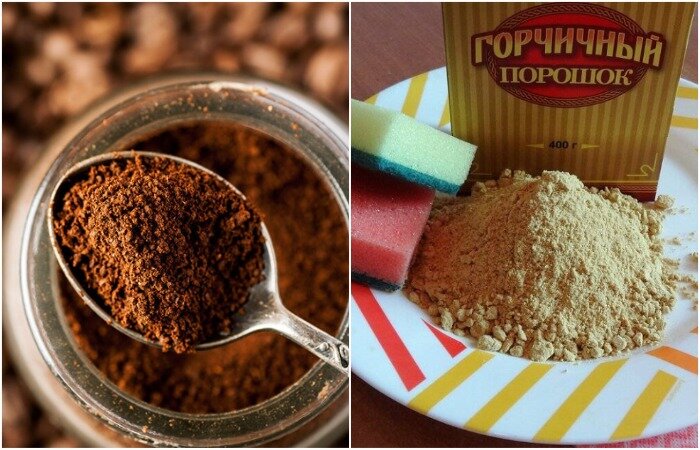
Plastic has an unpleasant property: it absorbs odors. That’s why we change food containers so often: as soon as we realize that the aroma has taken root in the container and cannot be removed with any household chemicals, we immediately throw it in the trash and look for new dishes.
In fact, you don’t need to change containers every couple of months. Try removing the smell with mustard. It is an excellent absorbent, so the method is really effective. Place a couple of tablespoons of mustard powder in a bowl and shake well. After this, rub the bowl with detergent, rinse with warm water, and enjoy the result.
You can use coffee instead of mustard. It also has excellent absorbent properties and can clean plastic in minutes. Pour a few tablespoons of ground coffee into the container, close the lid tightly and leave it for 24 hours. The second option is to generously grease the container with coffee grounds and place it in the freezer overnight. An excellent solution against unpleasant odors.
Tip 3: Fill the lids with hydrogen peroxide.
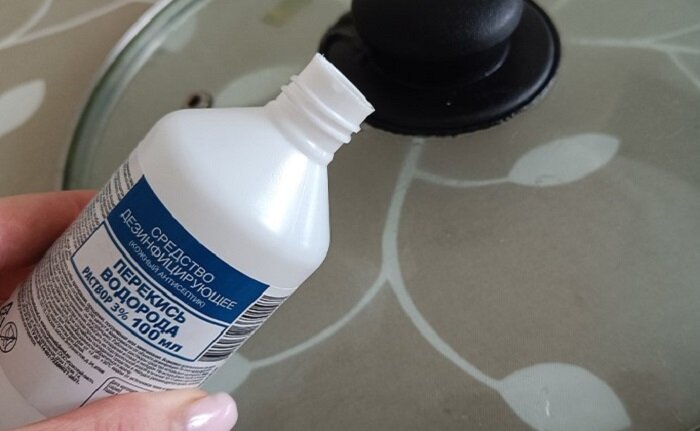
Las amas de casa que piensan que lo más difícil es limpiar las sartenes de grasa y depósitos de carbón probablemente aún no se hayan encontrado con tapas sucias. Por lo general, toda la suciedad se acumula debajo de la llanta y es imposible alcanzarla ni siquiera con la ayuda de un cepillo estrecho especial. En este caso, el peróxido de hidrógeno común viene al rescate, que se encuentra en cada botiquín de primeros auxilios.
Tome la tapa, vierta peróxido de hidrógeno, espere de 5 a 10 minutos hasta que comience la reacción y el antiséptico “corroya” la grasa, luego enjuague la tapa con agua tibia. El peróxido es un limpiador fuerte y también un antiséptico, por lo que podrás poner la tapa en orden en poco tiempo.
To make the cleanser as effective as possible, mix one tablespoon of hydrogen peroxide with two tablespoons of baking soda until you get a thick paste. Pour boiling water over the lid to soften the dirt a little, then apply the paste (it is more convenient to do this with a dish sponge or toothbrush). Leave the paste on for 15 minutes, then brush the lid again and rinse it with hot water.
Tip 4: Use aluminum foil instead of steel wool
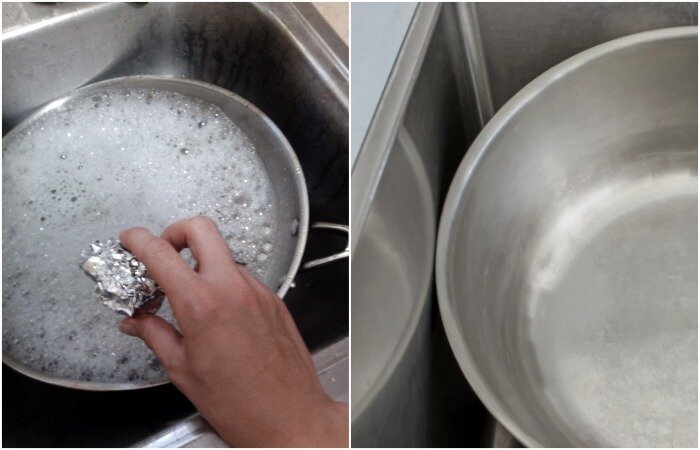
We’re used to using aluminum foil exclusively for cooking, but it also has other useful applications that many housewives don’t even know about. For example, you can make a ball out of aluminum foil and wash dishes with it. This trick comes to the rescue at that moment when you threw away the old metal scraper hoping there was another one in the drawer, but it wasn’t there. In terms of efficiency, the sheet is in no way inferior to traditional metal sponges; easily copes with grease, carbon deposits and other contaminants; However, it is worth remembering that it cannot be used to clean dishes with Teflon coating, as there is a risk of damaging them.
Tip 5: wash your acrylic bathtub with grapefruit
Some of the most popular bathtubs on the market are acrylic bathtubs. They are relatively inexpensive, have a smooth and comfortable surface, are easy to repair, are lightweight, and remain warm to the touch at room temperature. But at the same time, this type of plumbing also has disadvantages, the most important of which is the difficulty of maintenance. An acrylic bathtub can be easily damaged if you don’t know what cleaning products you can use.
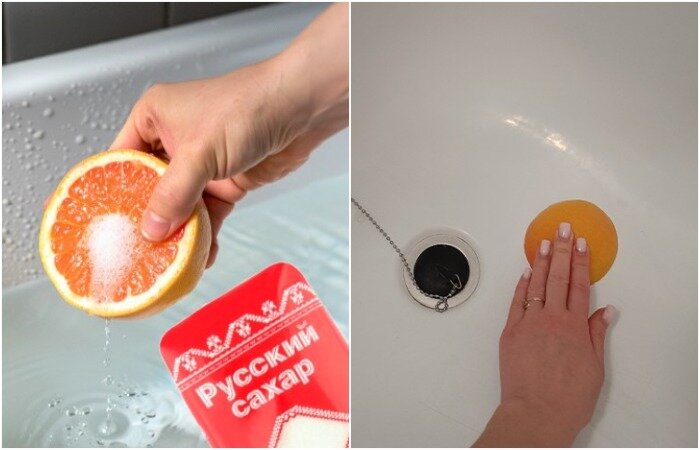
We immediately recommend that you abandon harsh household chemicals. It is better to use natural remedies, such as grapefruit. Cut it into two parts, sprinkle a small amount of sugar on half of the citrus fruits, and clean the bottom and walls of the bathroom thoroughly. In addition to the fact that the fruit perfectly removes dirt, it also provides a pleasant and refreshing aroma. We recommend that immediately after cleaning, you take a full bath of water and relax by playing relaxing music.
Tip 6: Remove scratches from a pan of milk.
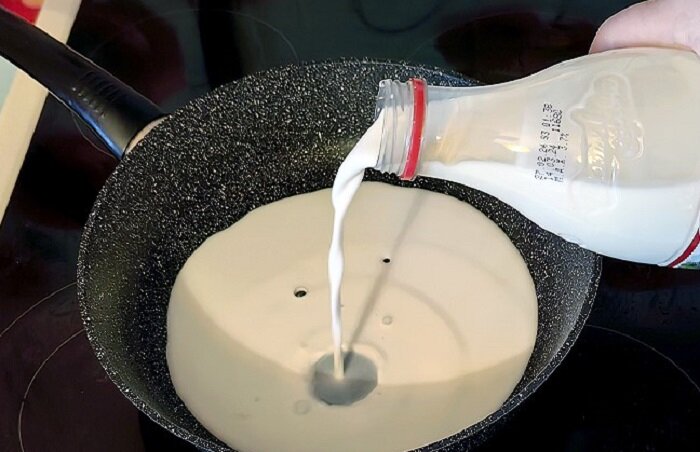
Over time, small scratches appear on the pan. Some are left after aggressive cleaning with metal sponges, others are left after forks and legs, with which we turn pieces of meat, fish and other products during the cooking process. Be that as it may, these scratches spoil the appearance of the dishes and are very annoying, you just have to pay attention to them.
If the scratches are small and superficial, try to fix them using the following trick: heat a pan on the stove, pour milk into it, and heat it. Due to the protein structure of milk, a film forms on the bottom and walls of the dish, which will fill in the damage and make it less noticeable.
Tip 7: Soak the tea towels in vinegar
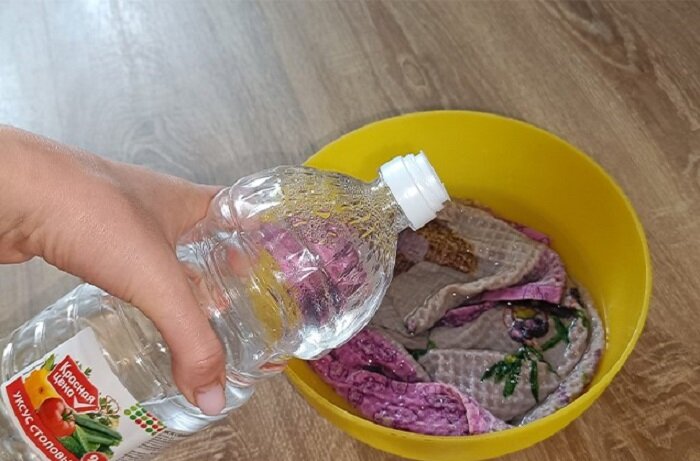
It’s no secret that tea towels suffer the most in the house. They contain all kinds of contaminants: grease stains, food and drink remains. That’s why most housewives don’t even try to buy expensive textiles, because it’s very difficult to wash them. It’s easier to buy a new game in a month or two than it is to try to restore the original look of the old one.
However, there is a secret ingredient that can make the washing process much easier and make it more difficult to work. Try soaking the dirty towels in a vinegar solution for about 20 to 30 minutes, then place them in the washing machine drum and select the appropriate wash cycle.
Thanks to its composition, vinegar is able to destroy grease stains and other pollutants, which also cause an unpleasant smell. In addition, it softens the fabric, making it easier to wash.


