
Sansevieria, also known by the scientific name Sansevieria trifasciata , is easy to grow. It is also popularly known as tiger’s tongue, cow’s tongue, mother-in-law’s tongue, cat’s tongue, tiger’s tail and St. George’s sword. It is a very decorative and resistant plant . Sansevieria withstands high and low temperatures (up to -5°C) very well . In addition, it is a plant that helps clean the air inside the house.
Sansevieria, or mother-in-law’s tongue, gets its name from its leaves. This is due to the juxtaposition of their long leaves with the long tongue (mockingly) attributed to “more talkative mothers-in-law” for speaking and criticizing their sex.
Sansevieria, not even a yellow and dry leaf: if you do this, you will always have it fresh and strong!
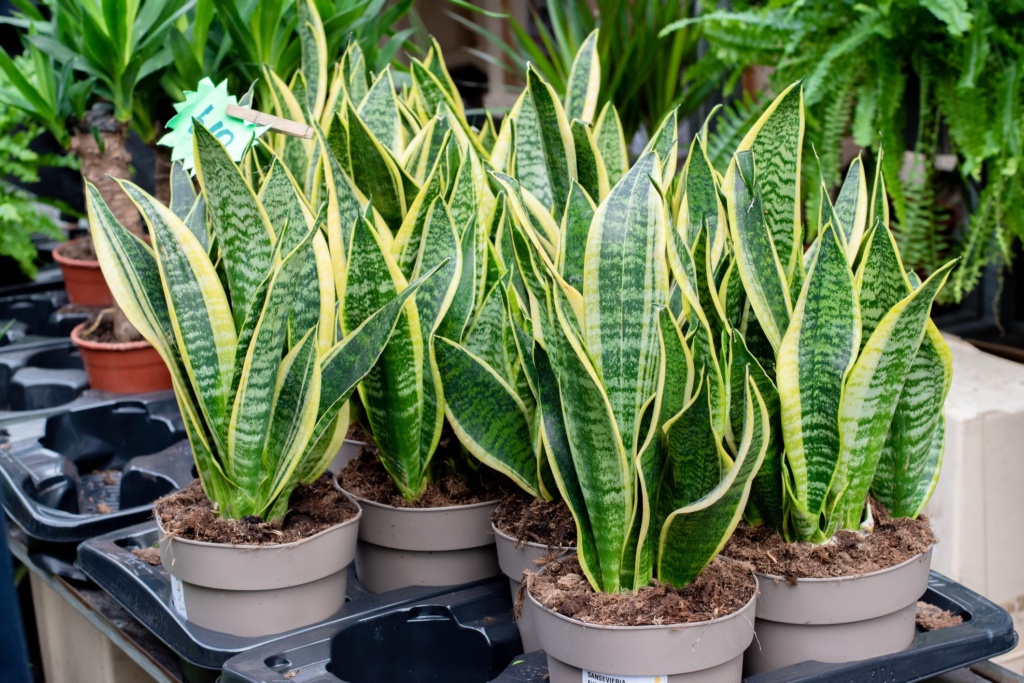
Sansevieria, also known as mother-in-law’s tongue, is one of the plants recommended by NASA (United States National Aeronautics and Space Administration) to remove toxic substances such as benzene, toluene, xylene and formaldehyde from the air we breathe .
- Lightweight: although it is very durable, it is ideal to place it in places with enough light .
- Temperature: ideal is between 15 and 20°C , although it can tolerate temperatures of 30º in summer . Avoid drafts.
- Watering: to keep it abundant , do not water excessively and only when the soil is dry . In winter, it only needs water once or twice a month, always depending on the temperature of the indoor environment. We must consider it a succulent plant, therefore it is necessary to water it only when the substrate is dry . Excess water can cause rhizome rot (an underground stem with several buds that grow horizontally, from which roots and herbaceous shoots emerge from the nodes). It does not like humid environments, so avoid splashing or misting water.
- Repotting: if the pot is small, it is ideal to move it to a larger one when spring starts, between March and April. To ensure good drainage, it is recommended to place a few pieces of terracotta or stones at the bottom of the pot so that the support does not get completely soaked in water. If it is not transplanted, it is advisable to restore the upper substrate: remove 3 cm of the surface substrate and add new soil.
- Fertilize: Apply fertilizer when temperatures begin to rise consistently (late spring and early summer) once a month until temperatures begin to cool (fall) again.
- Pruning: Sansevieria does not require pruning , but it is advisable to remove dry leaves to prevent diseases.
- Blooms: This tropical plant does not usually bloom indoors, but if it does, small flowers appear in late summer.
- Other sansevieria care: Try not to touch the tips of the leaves, as they are sensitive and can be easily damaged.
How to revive the mother-in-law’s language? Do it like this!
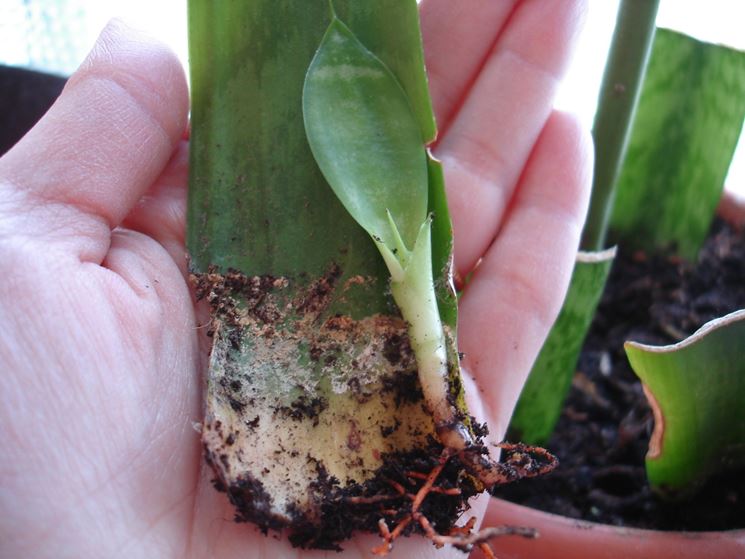
Sansevieria is generally a very undemanding plant to care for. If some leaves start to wilt and turn yellow, it is necessary to take care of watering. Since these are indoor plants, low temperatures can play a role. Therefore, you must always count on a lack of water so that the sansevieria does not rot and is not attacked by fungus.


