
If you are in the habit of keeping these 7 foods in the fridge, you are making a big mistake. Here’s why and what they are.
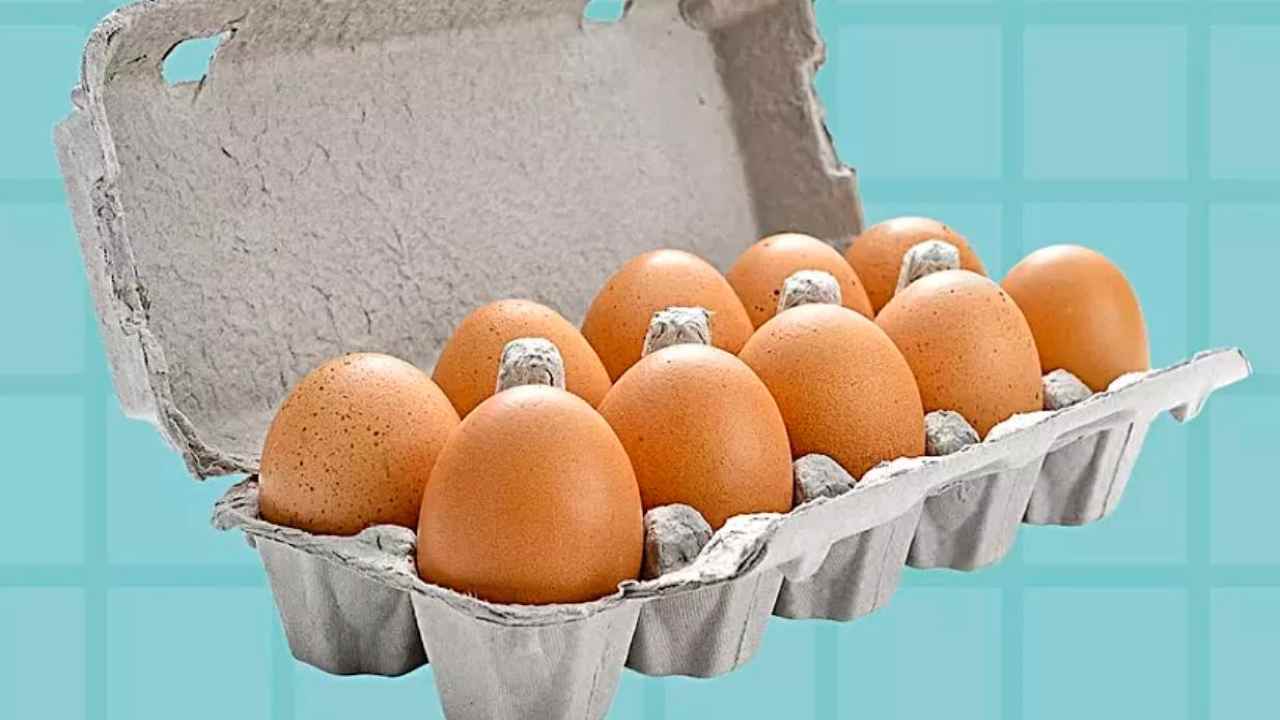
Because of the great heat that we are experiencing these days, food also spoils more easily . And then the first solution that comes to mind is to put them all in the fridge. But is it really right ? It might surprise you, but if you have the habit of keeping these 7 foods in the fridge , you are doing something wrong . Let’s find out what they are.
Pay attention to these 7 foods in the refrigerator: bread
Putting food in the fridge is a common act that we do in good faith, convinced that it will last longer and not spoil. However , especially for some foods, a refrigerator is not necessary , in fact there is a risk that our food spoils sooner than expected.
This is, for example, the case of bread . Putting it in the fridge may seem like a good idea if we plan to keep it for a few days , but the reality is that it will change the taste and texture . Storage in the refrigerator accelerates the ripening of the bread , which dries out earlier and has a more ” rubbery ” appearance .
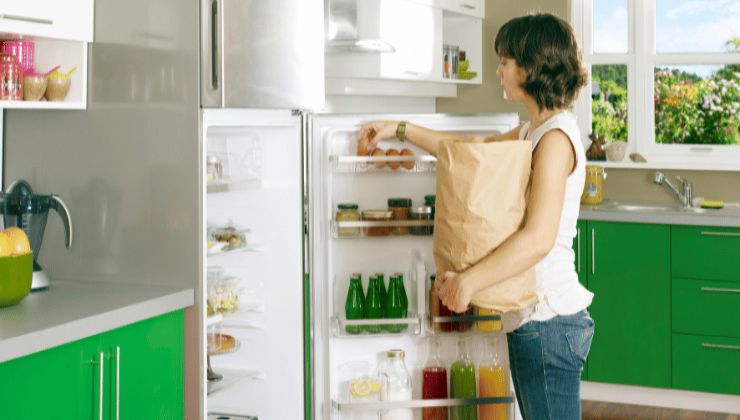
For example, it is more reasonable to choose freezing : cut the bread into slices and place them individually in freezer bags. At that point, just defrost it and heat it in the oven to enjoy it as if it were freshly baked.
onion and garlic
Also watch out for onions and garlic in the fridge. In particular, it is best to store whole onions in a cool and dry place , for example in a cellar or pantry . The ideal temperature for keeping them is around 7-13° and they don’t like humidity . Putting them in the fridge is therefore not the best solution.
A different situation for chopped onions. In this case, there is a risk that it will deteriorate more easily . For this reason, it is advisable to store them in the refrigerator or in an airtight container so that they are exposed to air as little as possible . This will also prevent the smell of chopped onions from spreading throughout the fridge .
What happens to garlic ? Their bulbs , like onions, prefer to be kept in a dry, cool and well-ventilated environment , such as a pantry . Pay special attention to direct sunlight – it is not recommended at all for whole bulbs of garlic .
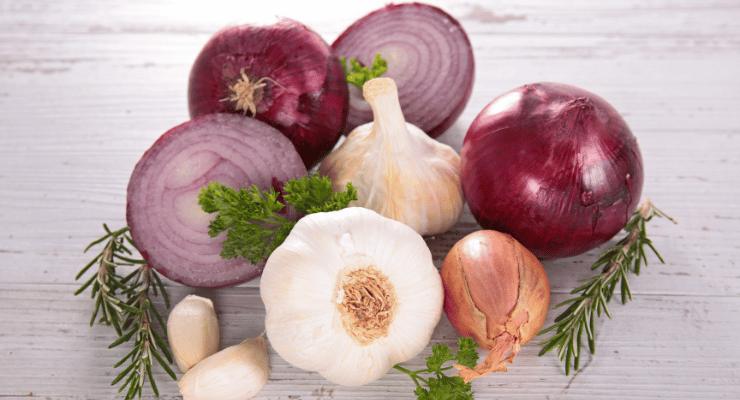
However, if we need to store already chopped cloves of garlic , the best option for preserving freshness is the refrigerator . However , as with onions, it is advisable to store garlic in an airtight container to protect it and prevent other foods from absorbing its smell .
Garlic cloves can be stored in the refrigerator for up to 2 weeks on average . However, it should be taken into account that in the refrigerator the taste of garlic changes slightly and becomes milder.
Avoid these 7 foods in your fridge: avocados and potatoes
Can avocados be kept in the fridge? Yes, but it depends on the degree of maturity in which we store them . If possible, unripe avocados should be stored out of the refrigerator until fully ripe. Otherwise, we would slow down its ripening, which would mean a long wait before we could consume it .
However, we can keep ripe avocados in the refrigerator if we want to wait a few days before consuming them . Its freshness lasts longer .
To keep it better in the fridge, it would be a good idea to wrap the avocado in a napkin or a paper bag . This will absorb excess moisture and prevent our avocado from ripening too quickly .
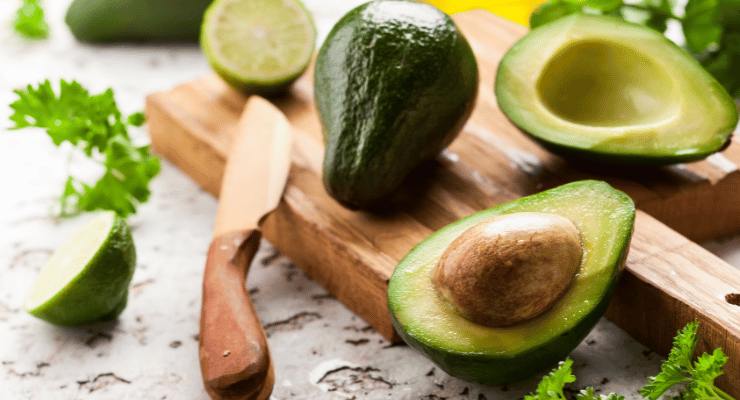
Opened avocados are also suitable for the refrigerator , which can be kept fresh after rubbing the pulp with lemon or olive oil so that it does not oxidize .
And potatoes ? It is a vegetable that requires a different preservation method than other vegetables. In fact, it’s best to store whole potatoes in a dark, cool, well-ventilated area . If the potatoes are placed in the refrigerator , the starch inside the potatoes can turn into sugar more quickly, changing their taste .
If there is no cool place to store them due to the heat, we can opt for the refrigerator , but be careful, do not leave the potatoes in the refrigerator for more than a week.
Tomatoes and olive oil
We come to a food whose conservation is often debated by many: tomatoes . In general, it is not recommended to store tomatoes in the refrigerator, unless they have reached a high degree of ripeness and we want to keep them for a few more days.
Why is the refrigerator not suitable for tomatoes ? Above all, when it comes to taste : low temperature can change the consistency and taste of tomatoes, making them less tasty and stringy . To keep our tomatoes in perfect condition , it is ideal to keep them at room temperature and protect them from direct sunlight.
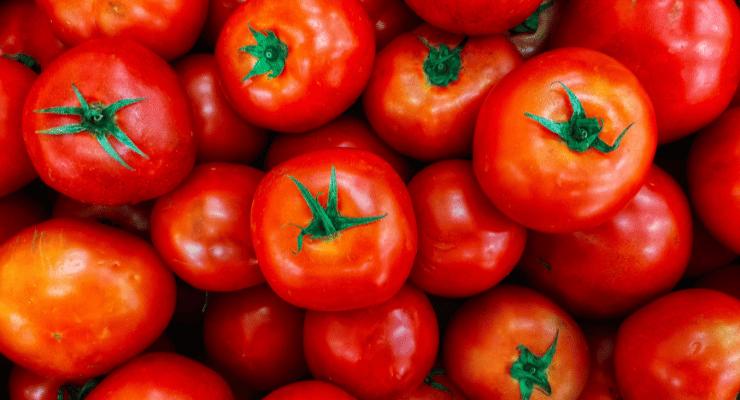
However, if the tomatoes are really very ripe and we need to keep them a little longer , we can put them in the refrigerator . A little tip: let the tomatoes come to room temperature before eating after taking them out of the fridge . This way the taste will be better .
What about olive oil ? The refrigerator is absolutely not recommended in this case : olive oil must be kept in a cool and dark place. The coldness of the refrigerator can actually cause the oil to become thicker and cloudy or condensation to form inside the bottle , which would compromise the quality of our oil due to moisture .
Olive oil should usually be stored at 20-25° in an airtight container and out of direct sunlight.


