
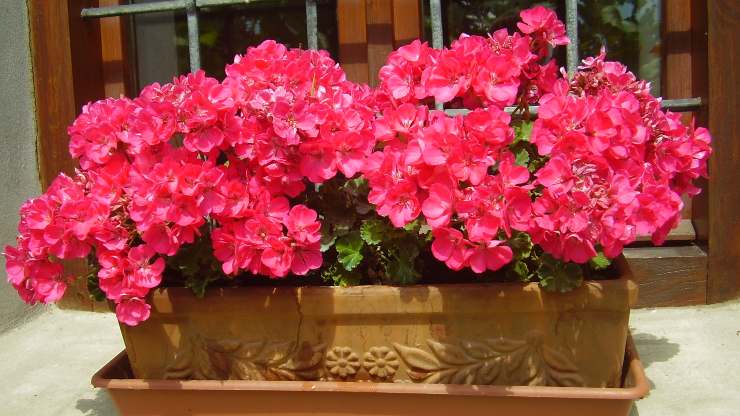
Pelargonium, a plant with bright colors and an intoxicating fragrance, is one of the most appreciated flowers for decorating balconies and gardens. Pelargonium with its bright petals with a hint of red, pink, purple or white is an explosion of beauty that attracts all eyes. But do you know the best way to take care of it? And above all, have you ever thought about propagating it to create a pelargonium on a bush? Here’s how to do it.
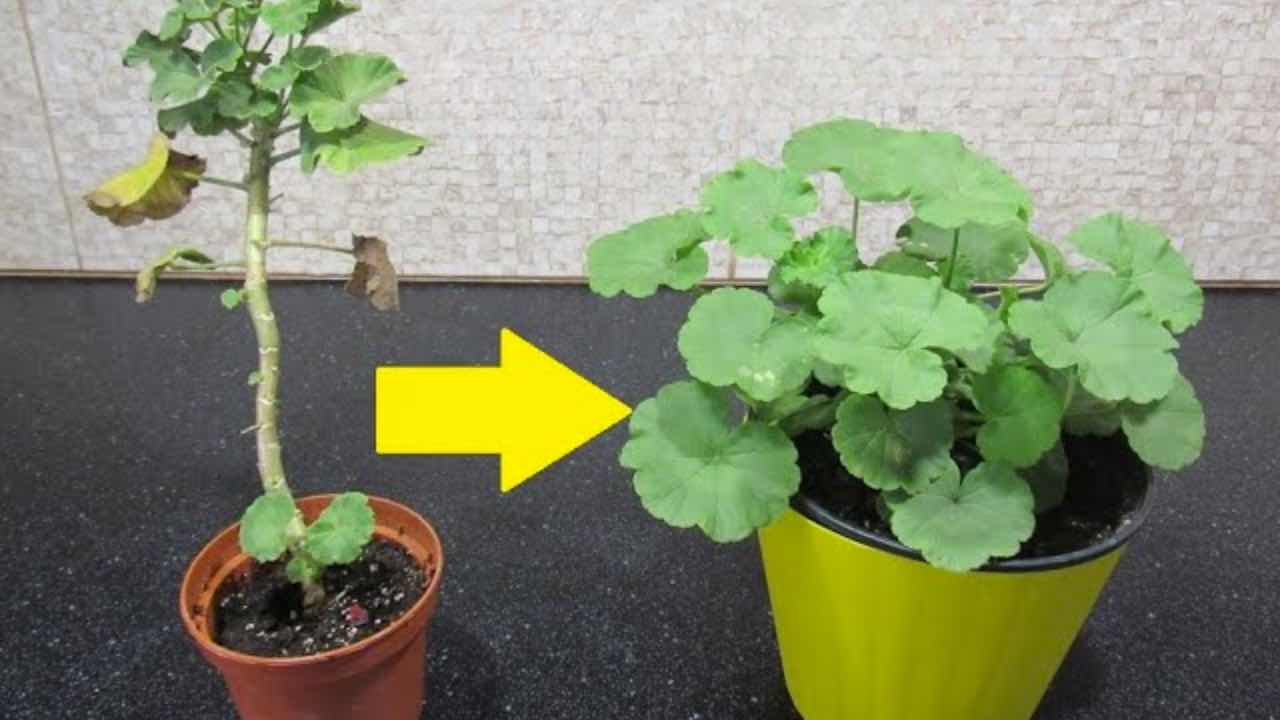
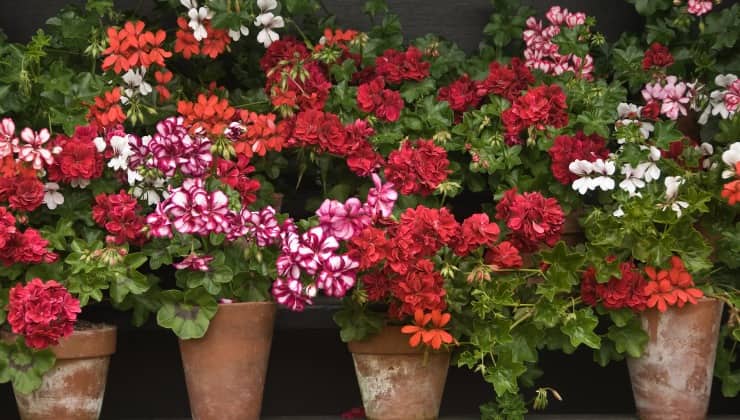
But what exactly is pelargonium? It is a plant belonging to the Geraniaceae family, characterized by its fleshy leaves and flowers grouped into striking inflorescences. There are different varieties of pelargonium, each with its own aesthetic characteristics and cultural requirements.
One of the main reasons for the success of pelargonium is its ease of cultivation and care . This plant does not require special care and is resistant to common garden flower diseases. However, there are some basic indications to ensure the correct cultivation of pelargonium.
To keep pelargonium healthy, place it in a sunny location, but protected from direct wind. Water the plant regularly, avoid stagnation of water in the saucer . In addition, it is important to fertilize pelargonium during the flowering period. But let’s figure out how to make a bush from any pelargonium.
How to care for pelargonium
Pelargonium is a plant very popular for its beauty and hardiness. However, like all plants, it requires proper care to thrive. Here are some tips on how to care for pelargonium.
First of all, it is important to choose the right soil for your pelargonium . This plant prefers well-drained, nutrient-rich soil. Make sure the pot or bed you grow it in has good drainage, and use soil specifically for flowering plants .
Another essential thing is the correct watering of pelargonium. Avoid watering too often, as it does not tolerate excess water. Wait for the soil to dry out a bit before watering again . Then do not forget to place the pelargonium in a sunny place. These plants love direct sunlight and need it to thrive and produce abundant blooms.
Don’t forget to prune pelargonium regularly. Remove spent flowers as soon as they appear and cut back any dry or damaged parts of the plant to encourage healthy new growth.
By following these simple measures, you can ensure a long life for your beloved pelargonium on the balcony or in the garden. And take care of it carefully, avoid small mistakes that could endanger its growth. And in addition to the main care, we will find out how to turn any pelargonium into a bush.
The main techniques for transforming any pelargonium.
The main techniques for propagating pelargonium can be very useful to have more plants of this beautiful flower variety and turn it into a beautiful shrub. Depending on your preferences and available resources, you can use several methods.
One of the most widespread techniques is cutting . To do this, simply cut a portion of the stem from a healthy, strong plant, making sure to include a few leaves in the removed portion. The cutting is then potted with fresh, well-drained soil, keeping the soil slightly moist until roots begin to appear.
Another effective technique is grafting. This method requires more skill and attention as it involves joining two different plants, taking a shoot or top of the desired plant (rootstock) and grafting it onto the trunk or base of another plant ( graft ). It is important that the two parts fit perfectly so that the graft can adhere properly. And the result you get will be really surprising, basically for this technique it is possible to use even two branches of pelargonium of different colors.
Finally, there is also the possibility of propagating pelargoniums by dividing the bunches. This method can be done in spring or early summer when the plants are still young and strong. Simply use a sharp knife or clean scissors to gently separate the clumps from the mother plant and bury them in another pot. Remember to always use a fertilizer suitable for this type of plant and make a drainage layer at the bottom of the pot.
Five minutes, pelargonium on the bush.
Five minutes can make the difference between a simple pelargonium and a stunning bush of colorful flowers. If you have pelargonium on your balcony or in your garden and want to make it a real eye-catcher , follow these simple steps to propagate it quickly.

The main technique for getting more pelargonium plants is taleggio. Take a healthy plant with well-developed branches and cut off some of its side branches. Make sure each branch has at least 3 or 4 nodes , as new roots will grow from there.
Then we take our cut twigs and carefully remove all the leaves from the lower half of the branch . This ensures that all of the plant’s energy goes into growing the roots instead of feeding the leaves. Now we will fill a small pot with moist soil and make a hole in the middle in which we will insert our twig without damaging the upper nodes . Cover the lower part of the stem well with soil and stabilize it with slight pressure around it. Do not compact the soil too much, otherwise the roots will suffocate.
Finally, we place our new plant in full sun, but avoid direct exposure to intense rays during the hottest hours of the day. Being fragile and the sun too strong, you risk burning it completely. Therefore, keep it constantly hydrated by sprinkling water on the top of the plant , this should be done when it is placed in the shade and the indoor soil is not at a high temperature.
Now that you have mastered this simple technique, it is enough to turn the pelargonium into a bush.


