
Saltpeter (or white mold) is a saline substance that can damage the walls of our home if we have a damp house or a house near the sea.
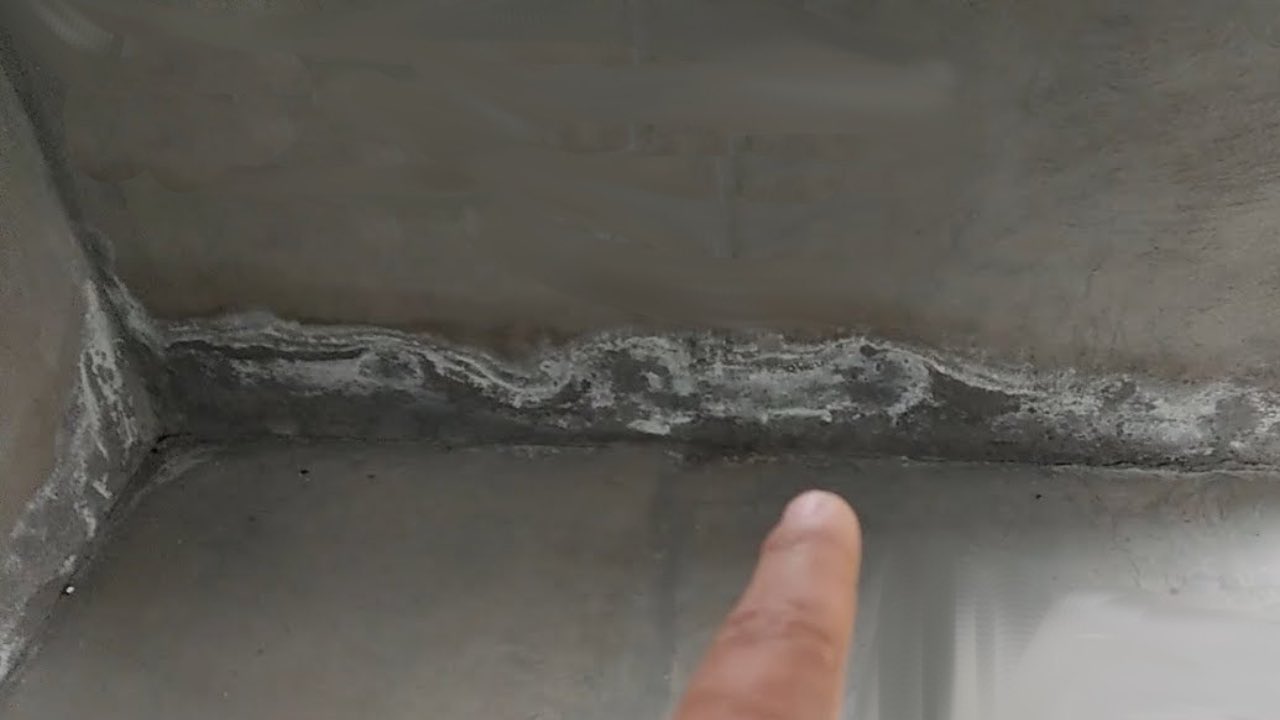
But in the end, why does saltpeter form on the walls? What are the causes and consequences of this problem? Let’s see together if we can eliminate this problem on our own and how to do it.
What is saltpeter?
Saltpeter is a saline substance that can damage the walls of our home if we have a damp house or a house near the sea.
Walls and floors are the main victims, but saltpeter stains may also appear on the ceiling, although more sporadically.
In general terms, the appearance of saltpeter on walls is directly related to the quality and type of soil, as well as to the composition of the buildings it attacks.
What are the causes and how is it evolving?
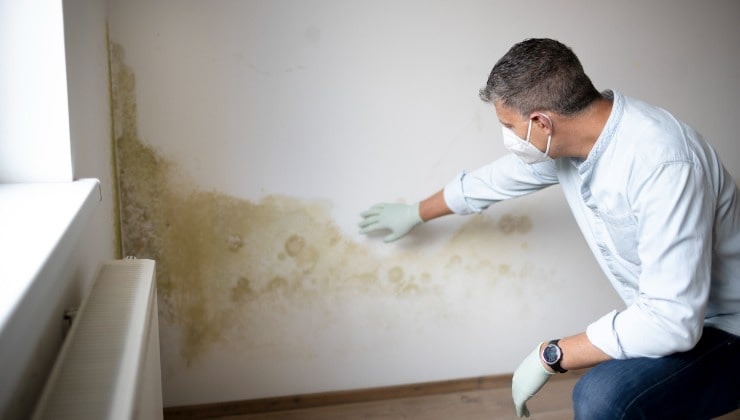
Among the causes that give rise to saltpeter is also capillary humidity, which is caused by the absence or failure of the insulating layers that should prevent water from rising towards the foundations and walls in contact with the ground.
Another reason is water infiltration, a phenomenon that occurs when rain or groundwater comes into contact with the outer porous walls and absorbs the water and salts they contain.
Brick, which is a porous material, absorbs the salts present in the soil where the wall was built, which then end up emerging on the surface of the wall, giving rise to unsightly white patches of mold that, if not treated properly, bring us consequences that can be serious.
In fact, they are the source of fungi and mites, which contribute to the deterioration of living conditions and promote various diseases related to the respiratory system, such as asthma or rhinitis.
That is why it is best to remove the saltpeter from the walls as soon as possible.
How to get rid of saltpeter? The ingredient to use
The basic procedure for removing saltpeter, even if you’re not a professional, is to clean it first with a broom or wire-bristle brush.
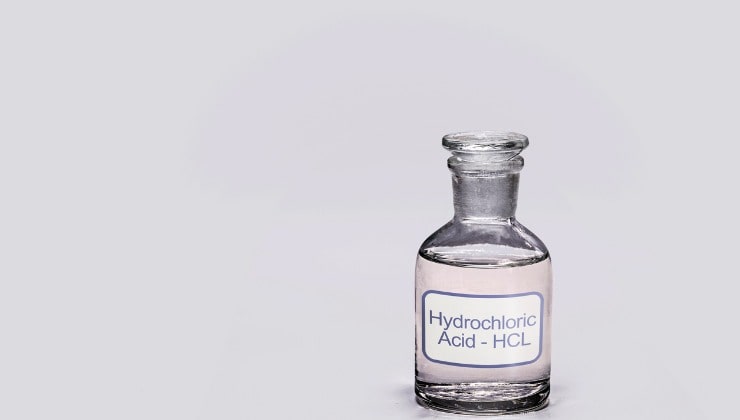
Subsequently, to clean and remove excess saltpeter, we will apply muriatic acid combined with water in a ratio of 4 to 1.
Then we will pour the mixture into a spray bottle and apply it to the entire wall where the saltpeter is located.
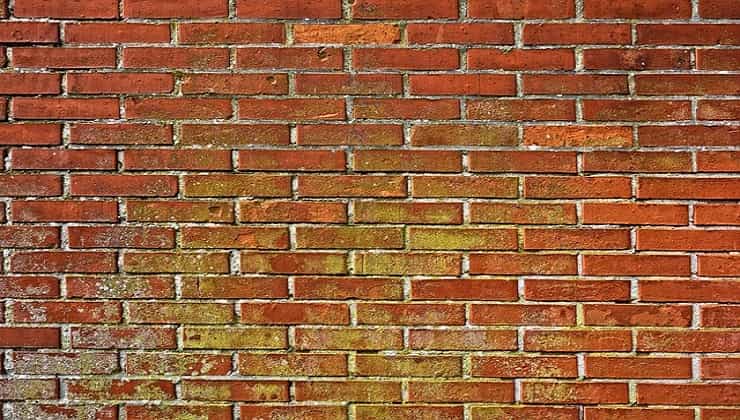
Muriatic acid for saltpeter removal should be applied to walls where white mold is present and should be allowed to dry for 24 hours.
Then we must give a sealer that we will apply mixed with water, in a ratio of 5:1 and we will do it with a brush.
When we give these two products, it is advisable to wear gloves, goggles and masks at the same time to protect the eyes and respiratory tract.
For this reason, it is necessary to address the problem of saltpeter in time, as it is a health risk and we must act preventively.
After treating the wall with the brush and muriatic acid, holes are likely to appear. These will need to be sealed with cement before the sealing process begins.
Once the problem has been thoroughly treated, it is important to carry out periodic maintenance in the area most affected by the saltpeter on the walls, so that we no longer have to worry.


