
Cleaning pellet stove glass is often challenging. However, it is very simple to take care of it with the right remedies. Let’s see how to do it.
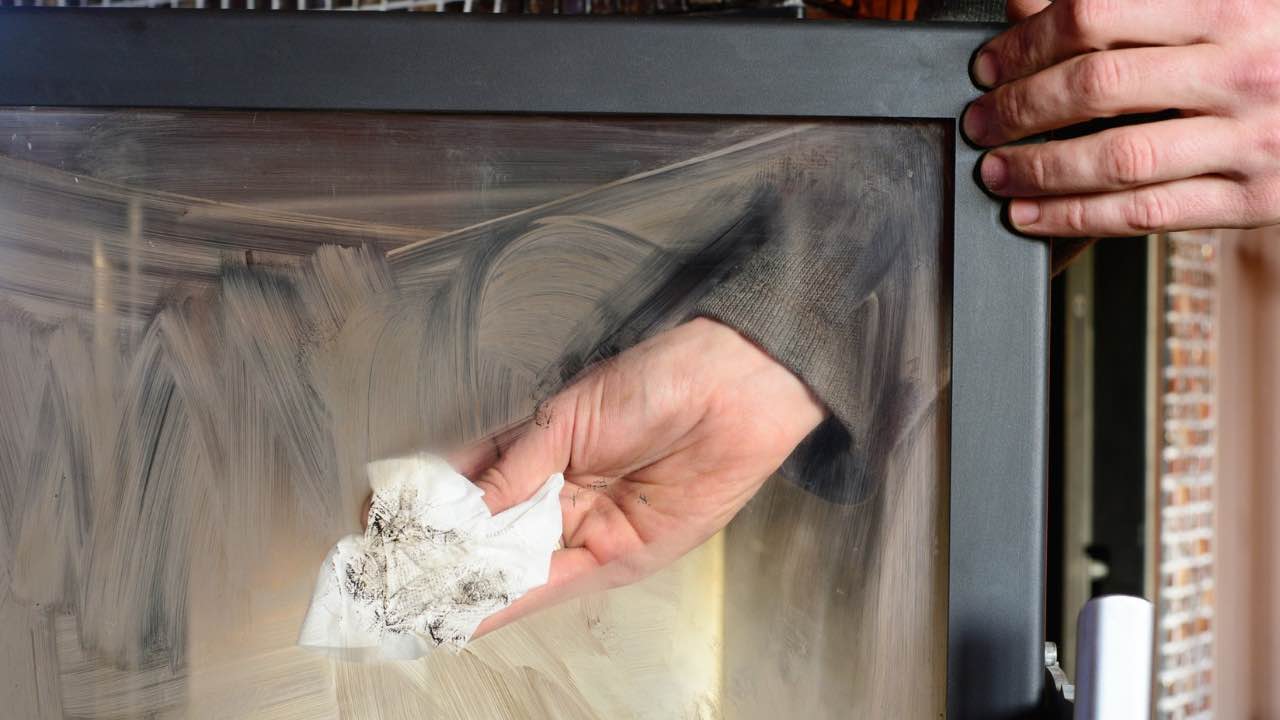
Increasingly popular as an alternative heating method, the pellet stove is now part of many homes in Italy. However, its continued use makes it dirty and the glass eventually blackens. The advice is obviously to clean the glass periodically to keep the stove in good condition, but let’s see how to do it correctly.
Pellet stove glass
The type of glass that makes up our pellet stove is very resistant, as it has to tolerate very high temperatures. In fact, it has a resistance of more than 700 °C and is usually made of glass-ceramic. Although it is resistant, blackening is inevitable due to the fumes released after the combustion of the pellet itself. With regular cleaning, it is possible to prevent dirt from becoming embedded, thus removing surface dirt faster.
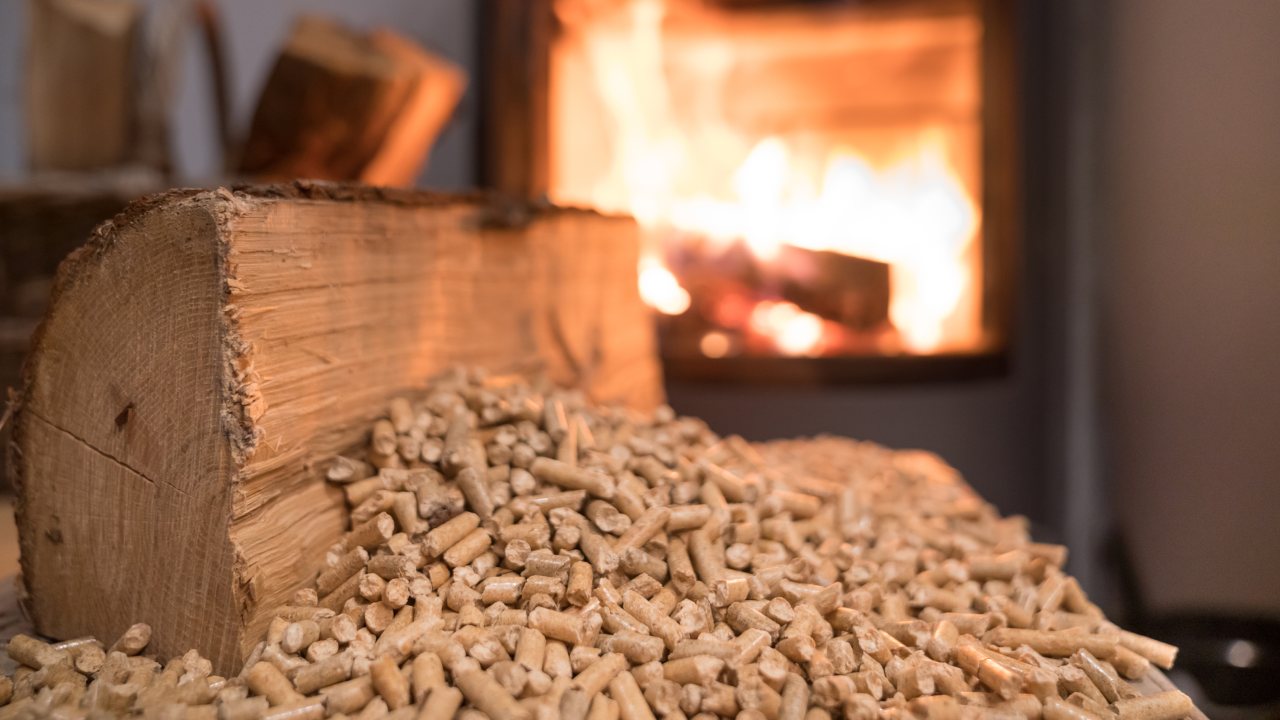
In addition, a few small precautions can make it less easy to make a mess of the glass. Using a quality fuel, for example, will have excellent combustion and avoid excess dirt residues. In addition, newer stoves have internal ventilation that prevents smoke and soot particles from sticking to the glass. In this way, the dirt situation can be very limited, but it is good to keep in mind that sooner or later the glass will inevitably tend to blacken.
It is precisely for this reason that cleaning it regularly, in addition to providing us with a visually better stove, will help us avoid removing too much encrusted dirt.
But now let’s look at how to clean the glass of our pellet stove for best results.
How to clean pellet stove glass
Obviously, there are several ways to maintain the glass of your pellet stove. There are specific products on the market, but natural remedies are also very effective. Depending on the condition of the glass, it makes sense to evaluate whether chemical or natural products should be used.
Products available on the market specifically for cleaning pellet stove windows are able to quickly remove even the most stubborn residue, are quick to use, and will make you work less. On the other hand, it should be borne in mind that they are always chemical and if they are not used correctly or if they are too aggressive, they can end up damaging the gaskets of the stove. Natural alternatives include the use of ash, ammonia, and baking soda.
The ash from combustion is rich in sodium carbonate and potassium, two perfect ingredients for restoring the shine of glass. Used years ago to wash clothes and make them white, it is useful for pellet stove glass. This may seem counterintuitive, as we usually tend to remove ashes, but if used correctly, it can help achieve effective results. However, this method is not recommended in case of excessive soiling, as it would be very difficult to remove all the incrustations.
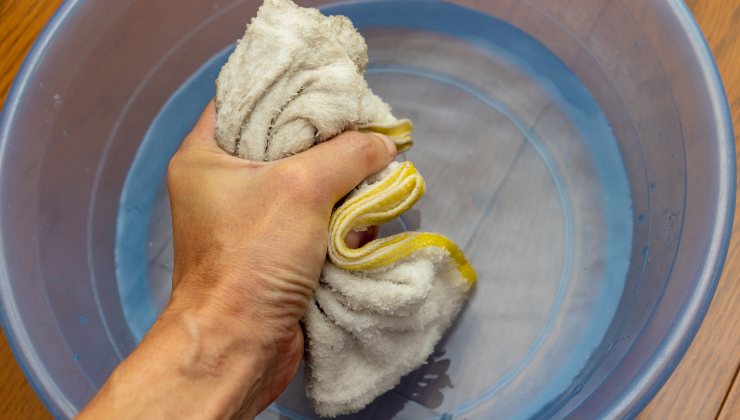
To use it to clean the stove glass, you will need a basin of warm water, a lint-free cloth, a drying cloth, and of course, the ashes produced by the stove itself. Simply dip the cloth into the container, wring it out well, and then dip it lightly into the ashes. Proceed by rubbing the cloth with water and ash over the entire surface of the glass in circular motions. Using the second dry cloth, remove all residue.
Other Natural Methods to Clean Stove Glass
Another very effective ingredient is ammonia, widely used in household cleaning. Also in this case, you will need a container with water, a spray bottle into which to insert equal parts water and ammonia, a soft cloth and another cloth for the final cleaning. All you have to do is spray the solution onto the cloth and wipe the glass clean. In the case of particularly stubborn dirt, you will need to leave the solution on for a few minutes and then continue with cleaning. Once everything is removed, moisten the second cloth of the basin with water and wipe everything clean.
The last and essential ally of the home is baking soda.
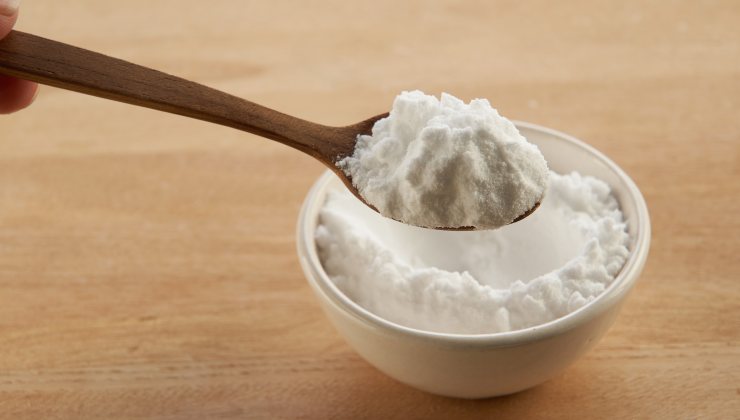
Known for its bleaching properties and for effectively eliminating odors, it will also be useful for your pellet stove. You will always need a bowl of water, a brush and a damp cloth, as well as, of course, the baking soda itself. Create a creamy solution of baking soda with a few drops of water to brush on the glass and leave it on for at least a quarter of an hour. Then, simply use the damp cloth to remove all the dirt. If necessary, make a second pass with a damp cloth to remove the baking soda residue as well.


