
Bad smells coming out of the sink? Here is the natural method to remove them permanently without using chemicals.
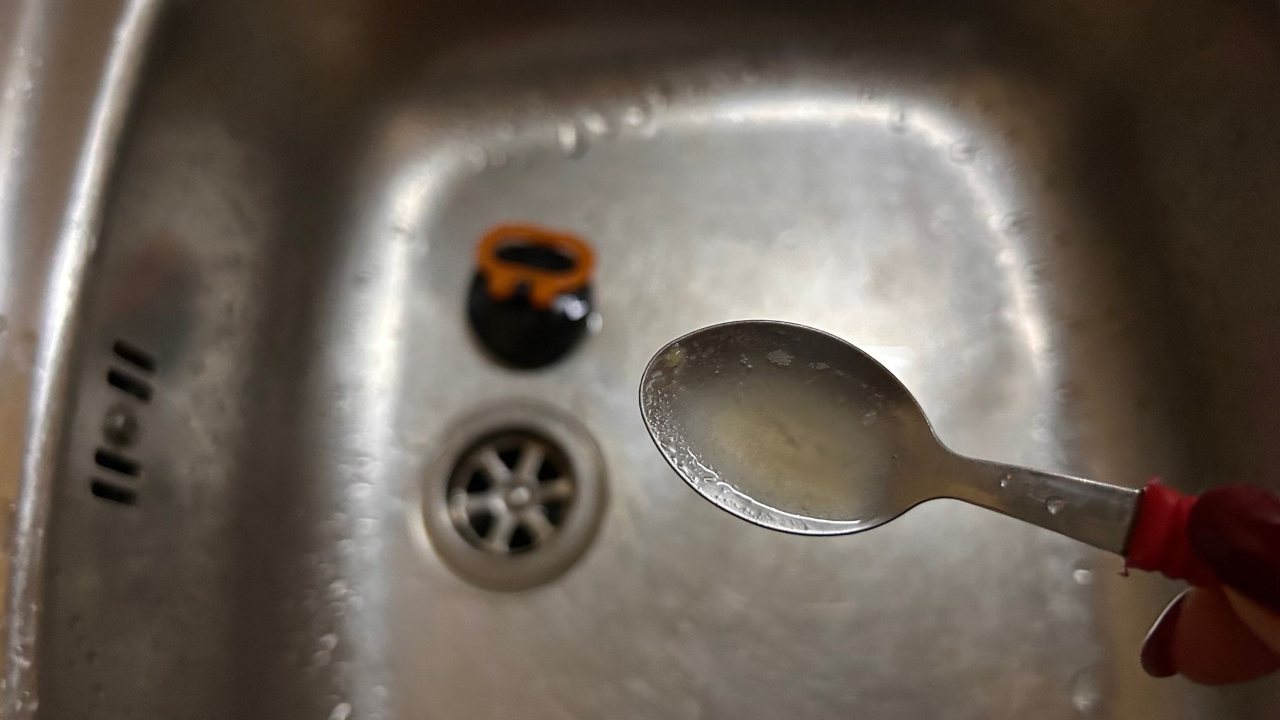
It happens very often that you smell bad smells coming from the sink. The causes can be multiple, as can the remedies available on the market. Sometimes, however, the most common products, in addition to being chemicals, can even end up damaging pipes if used incorrectly or too often.
However, it is possible to intervene with homemade solutions that will be of great help in eliminating bad odors that escape from the drain. But above all. It is necessary to identify the reason for this problem.
Possible causes of bad smells in the sink
The main cause of bad odors that come out of the sink is, without a doubt, the human being. Our habits often lead us to not use the sink correctly and, consequently, cause the appearance of unpleasant odors.
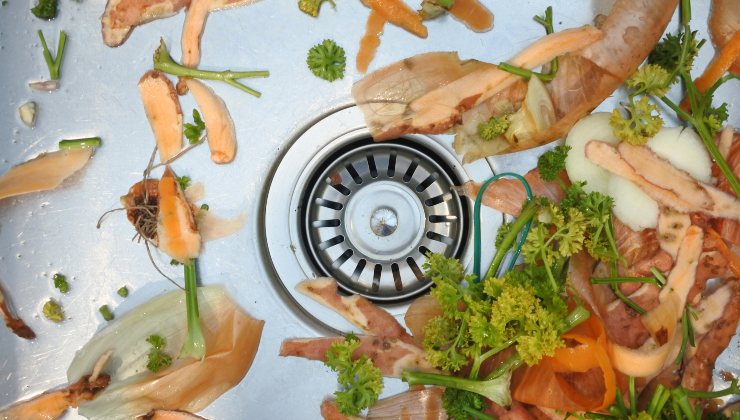
Among the most common causes are food residue that ends up in the drain pipe. It would be a good habit to clean the dish or pan and throw any leftovers in the bucket before washing. In fact, all it takes is some food residue stuck in the drain, which will deteriorate, lead to an unpleasant smell, or worse, clog the drain.
Detergents also play their part. Although they are thought of as detergents and therefore their action is simply cleaning, some detergents that are too dense tend to release chemicals that, like grease, stick to the pipes. Obviously, this also contributes to the release of bad odors over time. The alternative in this case is to opt for ecological products with a low environmental impact.
If your pipes are not in perfect condition, standing water can also be one of the causes of bad odors. This can lead to the growth of mold and bacteria, which may not give off pleasant odors. Thorough and regular cleaning of pipes with special products can prevent this problem.
Sink odors: which remedies to use?
On the market you can find an infinite number of products whose main purpose is to clean drains and eliminate bad odors. Unfortunately, very often these are chemicals, with strong and very aggressive odors, which, if not used correctly, can end up damaging pipes. However, it is possible to overcome the problem by using natural products that guarantee an excellent result on unpleasant odors coming from the pipes.
There are many solutions, but the most effective one guarantees an optimal result if left on overnight. You will need two ingredients that are always present in the house, baking soda and white wine vinegar.
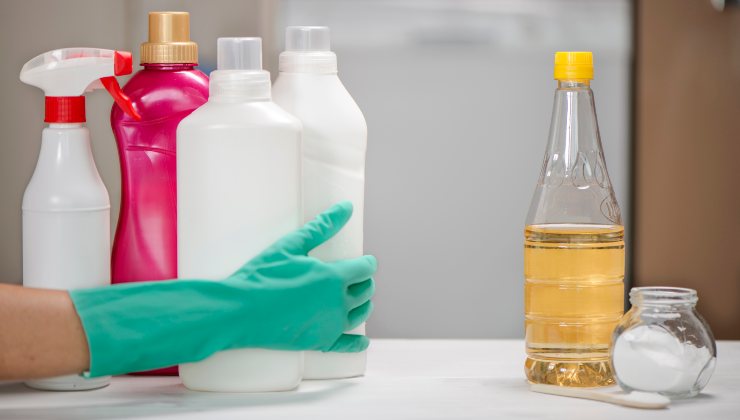
To prepare the solution, simply fill a saucepan with half a liter of water and bring it to a boil. When the water boils, add 1 glass of white vinegar and boil for a few more minutes. Then, while the solution is boiling, pour 100 grams of baking soda directly into the pipe. Then remove the pan from the heat and carefully pour the boiling water and vinegar mixture down the sink. Close the drain plug and let it sit overnight. You can repeat this operation every week to avoid the appearance of unpleasant odors.
Scenting the sink: a single drop of this ingredient is enough
But a faster and certainly very effective solution is to use only one lemon.
Simply squeeze the citrus fruits to extract all the juice and pour a few drops directly into the drain. After that, you’ll need to let the lemon juice work without turning on the tap, so it’s advisable to do this in the evening before bed. Lemon, in addition to being an excellent natural disinfectant and antiseptic, has a powerful degreasing action that will help dissolve even small food residues. In addition, it will give your sink a pleasant and unmistakable smell.

How to prevent bad odors
As they say, “prevention is better than cure“. Therefore, there are some minimal precautions that can be taken to avoid having to act every week with the solution of water and vinegar. Certainly, thoroughly cleaning the sink after each use will also help prevent food residue from ending up in the drain. It can also be helpful to buy a filter to place in the drain, rather than the plug, to collect debris and prevent it from ending up in the pipes.


