
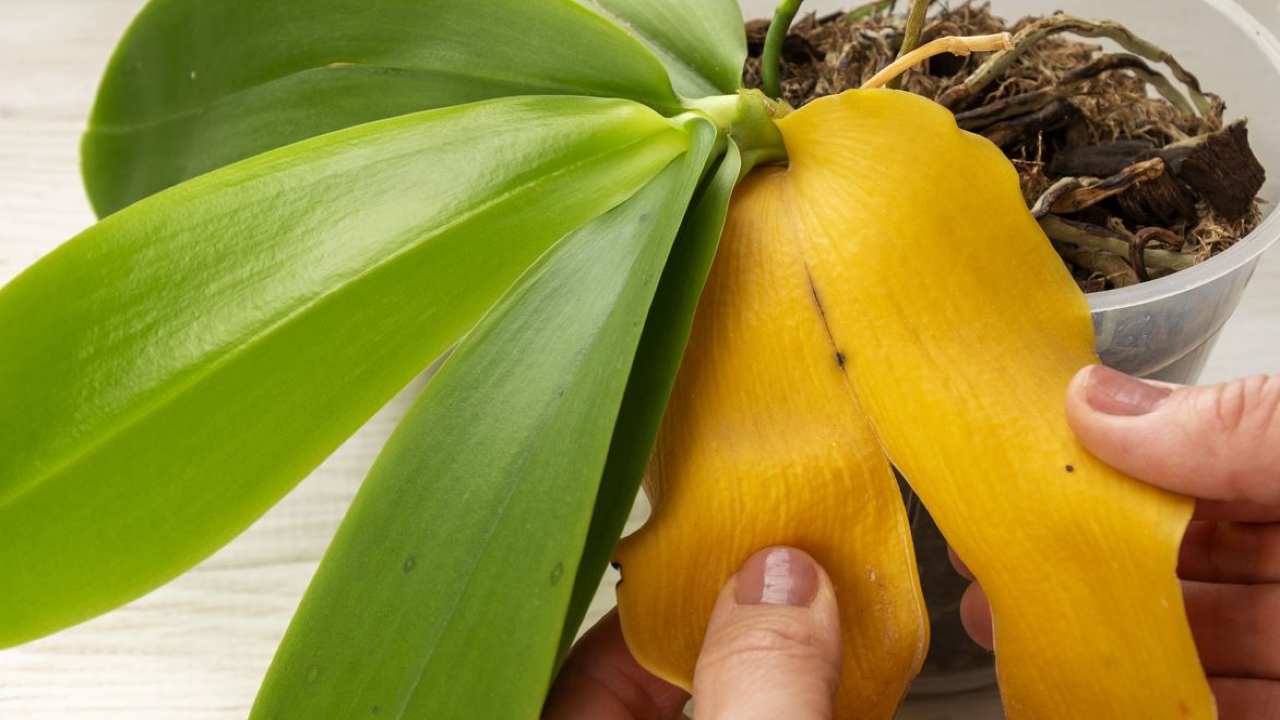
The orchid is one of the most common houseplants. Taking care of it may seem simple, but in reality it will not be so simple. In fact, as with all plants, it will be essential to implement a whole series of care and precautions, to prevent your orchids from losing vigor and, in the worst case, becoming irreparably ill. Orchid flowers bloom in the warm months of the year. In spring and summer, your orchid will give flowers with elegant shapes and different colors depending on the type of plant. In autumn and winter, however, the orchid will lose its flowers and enter a kind of hibernation. The important thing, however, will be to ensure that the leaves present are always strong and of an intense green color. In case of the presence of yellow leaves, it will be advisable to take measures. This detail of the leaves, in fact, is a symptom that some mistake has been made in the care and growth of the plant. The causes of the appearance of yellow leaves can be variable. It is important to know, however, that this is something that should always be avoided if you want to have always healthy and perfectly prosperous orchids in the future. Let’s discuss the possible reasons for the appearance of yellow leaves on this houseplant and how to remedy it. Here’s everything you need to know.
Yellow leaves on the orchid: here are the possible mistakes made
One of the aspects to take into account in relation to the perfect growth of the orchid is its positioning. You will not be able to place the plant anywhere in the house or on the balcony, as it will always require the right environmental conditions. In fact, only then will your orchid not suffer.
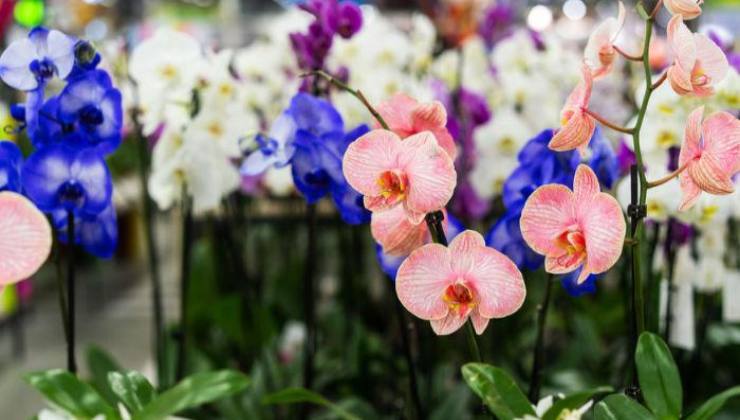
The plant should never be placed in the sun. It is a houseplant and does not like to be touched by the sun’s rays. In this case, in fact, the leaves and branches could burn and compromise their optimal growth. It will be appropriate to choose an area of the house or balcony located on the south side. The orchid, however, will need to receive indirect light and be located in a slightly ventilated place. These are the ideal conditions to have an orchid that is always healthy and in perfect “shape”. It will also be important to take into account the temperature. The orchid, in fact, suffers temperatures below 15°. If you place your orchid in a cold environment, keep in mind that this aspect could be completely harmful. The “suffering” of the plant, therefore, will manifest itself through yellow or curly leaves. What other reasons can cause the orchid to have yellow leaves? Let’s find out all the mistakes to avoid and what to implement instead.
Other aspects to consider
The orchid, like all houseplants, doesn’t like to be watered too often. Water stagnation, in fact, is completely counterproductive to their lush growth.
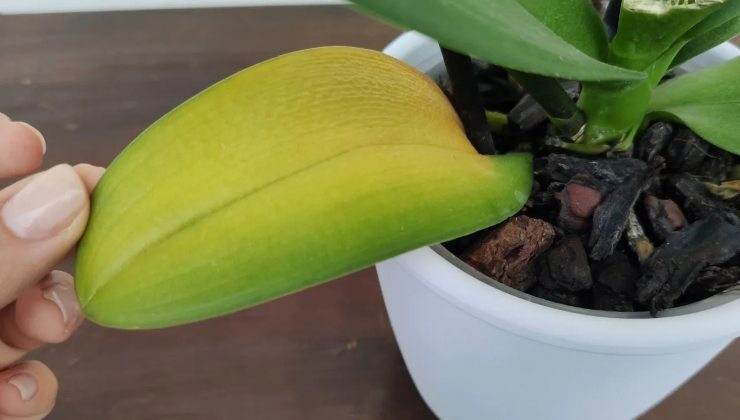
Also, orchid soil should never be too compact. It may happen that it loses softness. In this case, it will be necessary to transplant the plant. A substrate based on perlite, pine bark or expanded clay could be the ideal solution. When this soil loses its elasticity and drainage capacity, then it will be convenient to replace it. Therefore, yellow leaves will also appear due to the excess moisture present in the soil, which has become too compact. Although they are plants that are kept strictly within the domestic environment, it can happen that they are attacked by aphids, mealybugs and other parasites. They suck the soul out of the orchid and can be the cause of a slow death of the orchid. Therefore, if you notice the presence of yellow leaves, it could also be the fault of parasites. In this case, the only thing you can do is eliminate these pests. It will be better to implement natural solutions. You can rub the leaves with paper towels moistened with rubbing alcohol. We have reviewed all the main reasons that can be the cause of yellow leaves. If you follow our advice you will never have similar problems and your orchid will always be shiny, healthy and with strictly green leaves.


