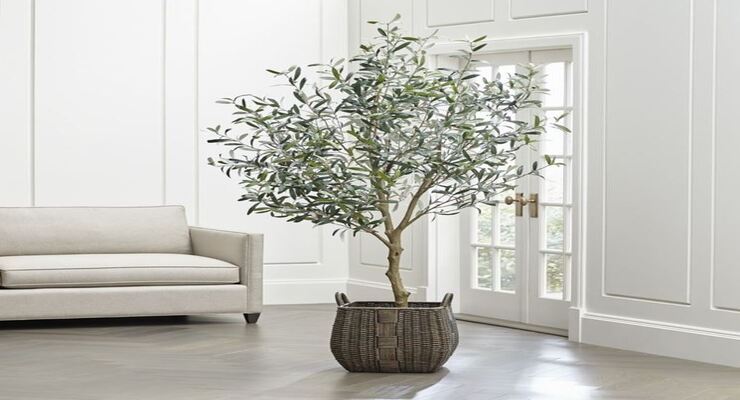
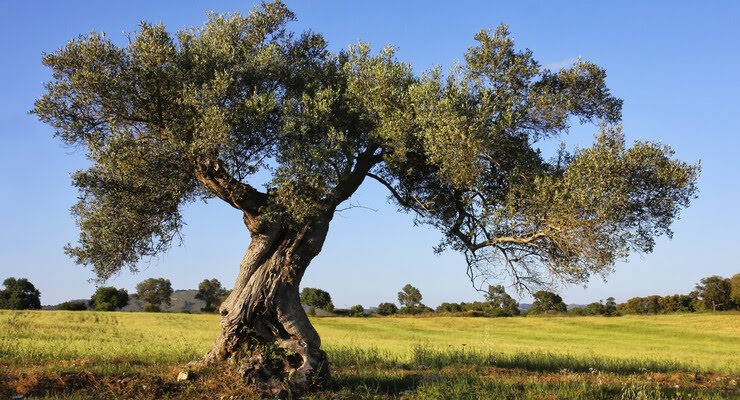
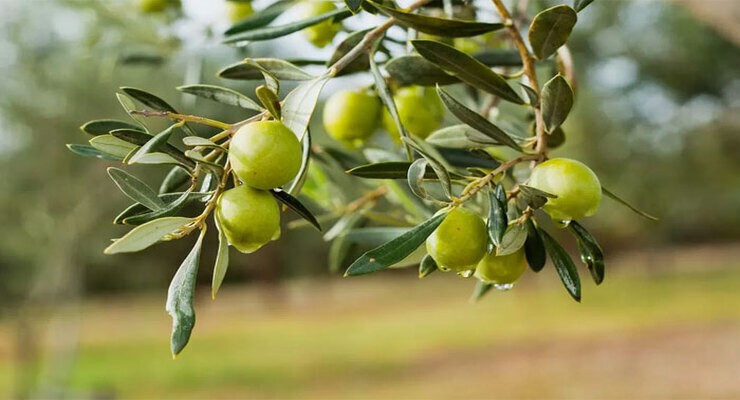
The olive tree is a Mediterranean plant, which grows very well under the scorching sun, which allows its fruits to ripen quickly and give a fantastic oil, easily recognizable and with a delicate and precious flavor.
Olive oil is the yellow gold of the kitchen, no dish can be prepared without this fantastic ingredient. Producing it directly at home is not only a way to save a lot of money, but also a great satisfaction. If you want to try growing an olive tree at home, you must first figure out how and what to do because it is still a life that you must somehow know how to take care of.
Olive tree, how to make it grow well?
The olive tree grows well in areas where the climate is temperate, but in winter temperatures should not drop below zero, otherwise the plant dies. Care and a lot of patience are the main ingredients that allow you to achieve good results. By following a few simple guidelines, you can grow beautiful plants first in pots and then in your home garden. The first thing you need to do is choose the tree you want to grow because there is not just one variety of olive tree, there are several plants of various types spread all over the world to choose from. Some are similar to each other, while others have small differences that have to do with the flavor or color of the fruit. Depending on the type of plant, the cultivation techniques and also the ripening times of the fruit change. In Puglia you can find for example the Bella di Cerignola, the Cellina Barese, the Cima di Bitonto, although they are all located within the same region, since the climate is slightly different from one territory to another, each of these plants can give different results. That is why it is advisable to do a little research to understand which olive tree is best for the area where you live, so as not to make mistakes, so as not to spend too much money, time and patience on something that you may not give. That you would like.
How to sow the olive tree from its fruit
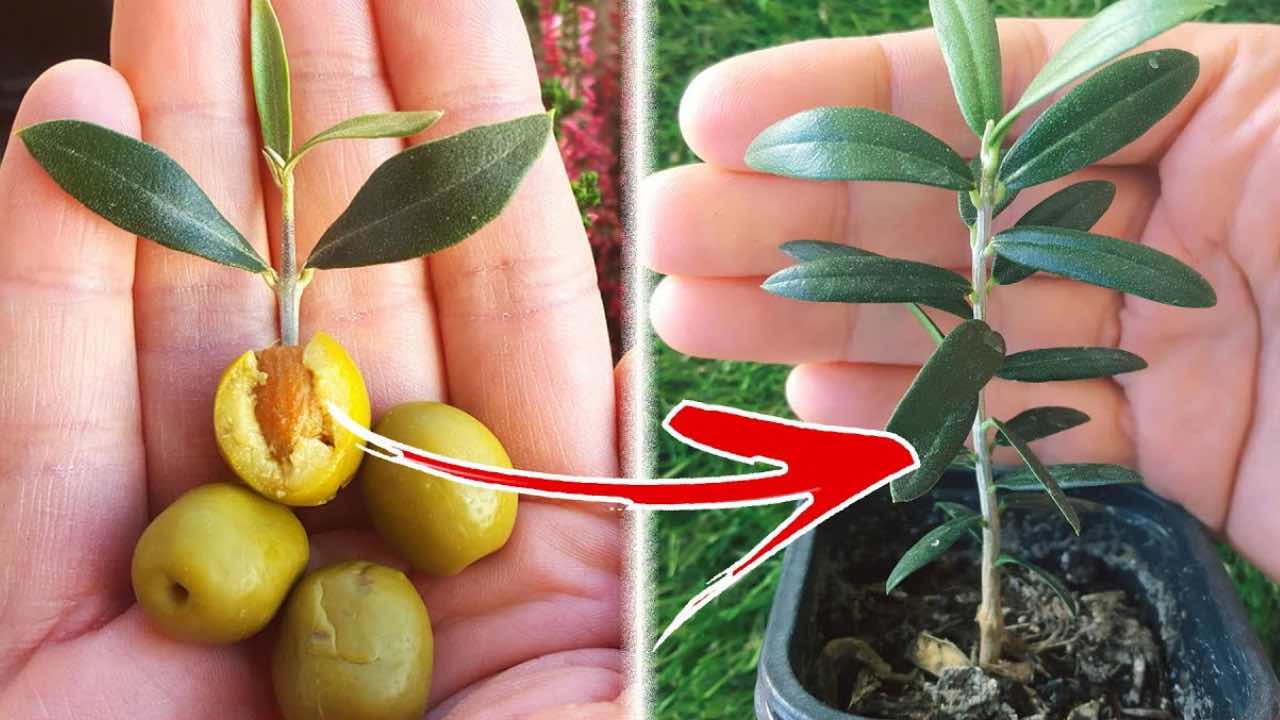
Then the fruit is collected from the tree and the olives are placed in a bucket, the pulp is broken to detach it from the pit, the olives are left to soak, stirring the water from time to time because in this way the separation of the olives is achieved. The stones are then recovered and the skin that remains on the surface is removed. After doing this, rinse the stone with hot water for a few minutes, if this is not possible, we recommend using sandpaper. At this point, cut off the end of the stone that is pointed on one side and blunt on the other. The beveled part should be cleaned with a knife. The husk must not break because otherwise the seed risks becoming unusable. The stones are immersed for 24 hours in water at room temperature and then a vase is filled with earth. You can use a large vase or a small one depending on what you have. The seeds are planted delicately in the ground, making sure that they are covered up to three quarters and no more because the sun must have free access, this is important because the rays stimulate germination. At this point, the pots are covered with a plastic bag, creating a kind of greenhouse, and placed on the windowsill.
Germination and transplanting of the seedling.
Germination occurs within a month. You must remember to water the soil maintaining a constant humidity, if the soil dries out the plant dies, so it is advisable to check before pouring the water. You may not even need it. If the first 6 mm are dry, it is time to give it water if not. Excessive amounts of water can lead to bacterial growth that destroys the seedling. Once it has sprouted, remove the bag, leave the plant free and continue watering normally. When the time comes, i.e. when the olive tree has grown 18 cm, it can possibly be transplanted in autumn. Once buried, the tree is watered as usual and then its growth is followed. After a few years you will be able to harvest beautiful olives. There are trees that bear fruit at three years while others need at least 7/12 years.